

If a senior hides or refuses pills, start by understanding their feelings and reasons, such as taste, side effects, or emotional discomfort. Communicate calmly and respectfully, validating their concerns. Try practical solutions like flavoring meds, using reminders, or involving family. Be patient and adapt to their needs, focusing on partnership and trust. If you want to explore more effective strategies and ways to support their well-being, there’s helpful guidance ahead.
Key Takeaways
- Engage in calm, respectful conversations to understand their reasons for refusal or hiding pills.
- Consult healthcare providers about alternative medication forms or flavoring options.
- Use reminders, pill organizers, or routines to make taking medication more manageable.
- Involve family or caregivers to support consistent medication administration.
- Respect the senior’s autonomy, reassure them of your support, and avoid coercion or confrontation.

When a senior hides or refuses to take their medication, it can be a stressful experience for both you and your loved one. You’re concerned about their health, and they might feel frustrated or resistant. The key to navigating this situation is understanding that medication compliance often hinges on open, respectful caregiver communication. You need to approach the issue with patience and a willingness to listen, rather than confrontation, to uncover the reasons behind their resistance.
First, try to identify why your loved one is avoiding their pills. They might dislike the taste, experience side effects, or simply forget due to cognitive decline. Sometimes, seniors hide medication because they feel embarrassed or ashamed about needing assistance. Understanding their perspective helps you address the root cause rather than just the symptom. Engage in a calm conversation, asking how they feel about their medication, and listen carefully without interrupting. Validating their feelings can build trust and make them more willing to cooperate.
Next, consider practical solutions that promote medication compliance. If taste is an issue, ask their healthcare provider if the medication can be flavored or if there’s an alternative form, like a liquid or patch. If forgetfulness is a problem, set reminders through alarms, pill organizers, or involve family members or caregivers in daily routines. Sometimes, simplifying the medication schedule or integrating it into a daily activity can make a big difference. Additionally, understanding that emotional factors can influence medication refusal emphasizes the importance of addressing their feelings with empathy. Recognizing that cognitive decline may also play a role can help you tailor your approach to their specific needs. Incorporating the use of reminders and routines can also be very effective in supporting adherence. Moreover, being aware of the importance of medication management can help you stay proactive in ensuring your loved one’s health.
Furthermore, staying informed about ethical considerations in medication administration can guide you to make respectful decisions that honor your loved one’s autonomy. Effective caregiver communication is crucial in these moments. Keep your tone gentle and supportive, avoiding any language that might make your loved one feel guilty or defensive. Explain why the medication is important for their health, but do so in a way that emphasizes partnership, not coercion. Reassure them that you’re there to help and that their comfort and well-being are your priorities.

Collagen Puptides – Collagen for Dogs | Premium Dog Joint Supplement | 2X The Amount As Liquid Droppers | Great for Senior & Adult Dogs. Includes Omega 3.
- Supports Senior Dog Aging: Helps reduce pain and rebuild joints
- Enhances Joint Health: Rebuilds cartilage and relieves pain
- Improves Skin & Coat: Moisturizes and softens skin and fur
As an affiliate, we earn on qualifying purchases.
As an affiliate, we earn on qualifying purchases.
Frequently Asked Questions
How Can I Tell if My Senior Is Hiding Pills Intentionally?
You can tell if your senior is hiding pills intentionally by observing pill hiding behaviors, like missing medication doses or unexplained residue in their belongings. Pay attention to signs of medication non-compliance, such as inconsistent pill intake or sudden refusal. Open communication is key; ask gently about their medication routine. If you notice patterns or concerns, consult their healthcare provider to guarantee proper medication adherence and address any underlying issues.
Are There Alternative Medication Forms for Seniors Who Refuse Pills?
You might find it surprising, but there are alternative delivery methods for seniors who refuse pills. Medication patches, for example, provide a steady dose without swallowing. Other options include liquids, dissolvables, or chewables, making medication easier to take. Exploring these alternatives can improve adherence and comfort, especially when traditional pills become a challenge. Always consult with a healthcare professional to find the safest and most effective method for your senior.
What Legal Considerations Exist When Administering Medication Without Consent?
You must prioritize medication compliance while respecting your senior’s legal rights. Legally, administering medication without consent can violate their rights and result in liability. Always make sure you have proper authorization, like a healthcare power of attorney or court order, before giving medication against their wishes. Staying informed about local laws and consulting healthcare professionals helps you fulfill your legal responsibilities and safeguard your senior’s well-being.
How Can I Involve Seniors in Their Own Medication Planning?
You can involve seniors in their medication planning by opening a dialogue, making them feel heard and respected. Encourage their input, discuss options, and explain the importance of medication adherence. By fostering independence and taking their preferences into account, you build trust. Keep them engaged in decision-making, which motivates them to take ownership of their health, ultimately enhancing their senior independence and ensuring they stay committed to their prescribed regimen.
What Signs Indicate a Senior Might Be Experiencing Medication Side Effects?
You’ll notice signs like unusual fatigue, dizziness, nausea, or changes in mood that suggest medication side effects. These signs can affect medication adherence and indicate the need for side effect management. Stay attentive to behavioral or physical changes, and communicate with healthcare providers promptly. Regular monitoring helps make certain your senior’s safety, supports effective medication use, and allows for adjustments to minimize side effects.
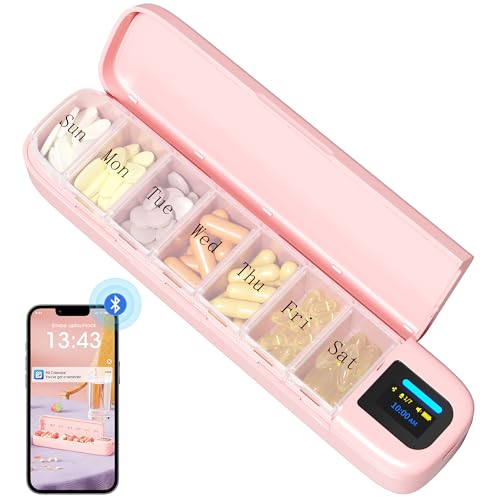
Daviky Automatic Pill Dispenser, Smart Pill Organizer with Alarm
- Never Miss a Pill: Smart reminders ensure medication adherence
- Easy to Use: User-friendly design for simple management
- Hassle-Free Access: Smooth opening and closing for easy access
As an affiliate, we earn on qualifying purchases.
As an affiliate, we earn on qualifying purchases.
Conclusion
If your senior hides or refuses pills, it’s essential to understand their reasons and approach with patience. Sometimes, a theory suggests that seniors refuse medication to regain control or due to side effects. Investigating this can reveal underlying concerns, allowing you to address them effectively. Remember, fostering open communication and offering alternatives can build trust. Ultimately, respecting their feelings while ensuring they receive necessary care is key to steering through these challenging moments successfully.

TabTime Pill Reminder & Timer – 8 Daily Medication Alarms, Pill Alarm Clock
- Multiple Daily Alarms: Eight independent alarms per day
- Automatic Reminders: Continuous alerts until battery change
- Portable Design: Compact and easy to carry
As an affiliate, we earn on qualifying purchases.
As an affiliate, we earn on qualifying purchases.

Pill Taker Cup,Small Swallowing Aid Cup for Pills, Tablets & Capsules
- Medicine Dispenser Size: Measures 2.5 x 3.5 inches
- Pill Shelf Design: Keeps medications dry during use
- Suitable for All Ages: Ideal for elderly and children
As an affiliate, we earn on qualifying purchases.
As an affiliate, we earn on qualifying purchases.