

Scams hit older adults hard because they often trust others easily and may lack digital skills to spot fraud. scammers exploit emotional vulnerabilities like fear, urgency, and greed, making it tough to recognize danger. Financial and emotional losses can leave you feeling betrayed, ashamed, and helpless. These impacts can create a cycle of stress and vulnerability. Understanding scam tactics and strengthening digital literacy can help protect you—if you want to find out more, keep exploring further.

Turn quiet afternoons into listening time
- Thousands of audiobooks, podcasts and originals
- Listen on your phone, tablet or Echo — also offline
- Cancel anytime
Key Takeaways
- Older adults often have higher trust levels, making them more vulnerable to scam manipulation.
- Limited digital literacy hampers their ability to recognize and report scams promptly.
- Scams exploit emotional triggers like fear, urgency, and greed, intensifying psychological distress.
- Financial losses threaten their savings and retirement security, causing significant stress and helplessness.
- Emotional and financial harm create a cycle that further erodes confidence and resilience.
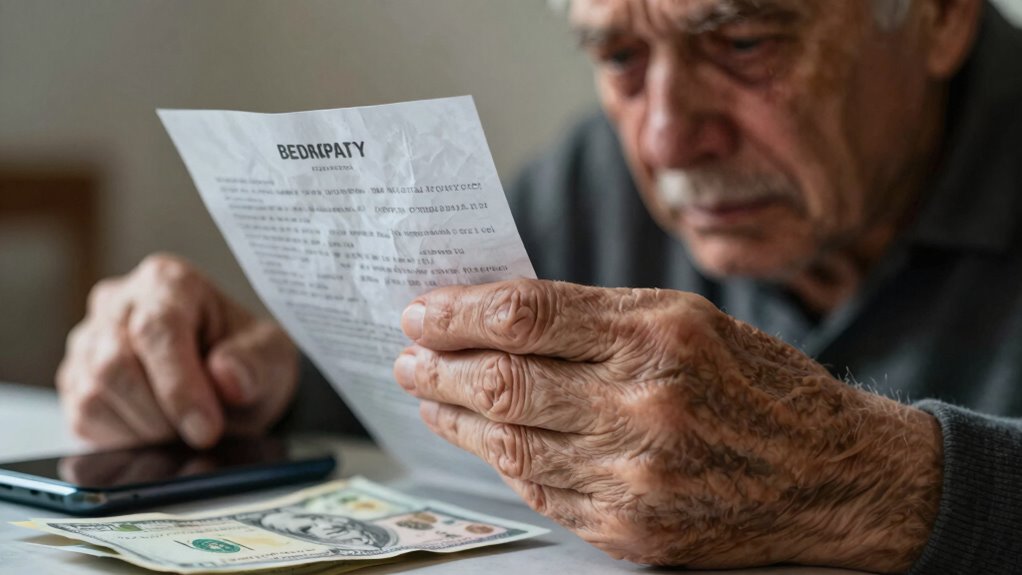
Older adults are often targeted by scammers because they tend to trust others and may not be as familiar with the latest fraud tactics. This trust makes it easier for scammers to manipulate them, especially when combined with gaps in digital literacy. If you’re not comfortable browsing the internet or recognizing suspicious online activity, scammers can easily exploit your lack of familiarity. They craft convincing stories, fake websites, and false emails that look legitimate, making it hard to tell what’s real. Without strong digital literacy skills, you might fall for these tricks more often, losing not just money but also your sense of security. Building your digital literacy can empower you to better identify potential threats before they cause harm.
Older adults are vulnerable to scams due to trust and limited digital literacy.
Emotionally, scams hit older adults hard because they often feel a sense of betrayal and shame after being duped. When someone you trusted turns out to be a scammer, it can shake your confidence. You might question your judgment or feel embarrassed, which makes it difficult to seek support. The emotional resilience you have built over the years can be tested when faced with the fallout of financial loss or identity theft. It’s vital to remember that scammers are skilled at exploiting emotions—they often create a sense of urgency, fear, or greed to pressure you into making quick decisions. Recognizing these emotional triggers can help you stay grounded and avoid falling into their trap.
Financially, the impact of scams can be devastating. For many older adults, savings and retirement funds are hard-earned, and losing them feels like a betrayal of your future security. Scammers often target emotional vulnerabilities, convincing you to part with money by promising quick gains or urgent help. Once the money’s gone, it’s not easy to recover, especially if your digital literacy skills don’t include knowing how to report fraud or protect your accounts. You might also feel overwhelmed by the complexity of financial recovery, which can lead to further stress and feelings of helplessness. This cycle of emotional hurt and financial loss can make it seem like there’s no way out. Gaining a better understanding of common scam tactics and digital security practices can greatly reduce your risk, especially since digital literacy is a crucial component in safeguarding yourself.
As an affiliate, we earn on qualifying purchases.
Frequently Asked Questions
How Do Scammers Identify Vulnerable Older Adults?
Scammers identify vulnerable older adults through fraudulent profiling, where they look for vulnerability indicators like loneliness, lack of tech skills, or recent losses. They often target those who seem isolated or less aware of scams, using personal details to build trust. By observing these vulnerability indicators, scammers tailor their approaches, making their schemes more convincing and increasing the chances of success while preying on emotional and financial vulnerabilities.
What Emotional Impacts Are Common After Falling Victim to a Scam?
After falling victim to a scam, you often experience emotional impacts like feelings of betrayal, shame, and loss of trust. These emotions can erode your emotional resilience, making it harder to recover and trust others again. You might also feel embarrassed or isolated, which worsens the situation. Recognizing these feelings is crucial because it helps you seek support, rebuild trust, and regain your emotional strength.
Are There Specific Scams Targeting Seniors More Frequently?
You should know that seniors are often targeted more frequently for scams, especially involving financial exploitation and identity theft. Studies reveal that adults over 60 are 34% more likely to experience financial scams than other age groups. Scammers often pose as trusted figures, making seniors vulnerable to fraud. These targeted scams can cause severe emotional distress and financial loss, underscoring the importance of staying vigilant and cautious with personal information.
How Can Families Better Support At-Risk Older Adults?
You can better support at-risk older adults by encouraging open conversations about financial planning and ensuring they understand their financial options. Promote social engagement to help combat loneliness and reduce vulnerability to scams. Regularly check in with them, educate about common scams, and motivate them to seek advice from trusted professionals. Your involvement helps build confidence, resilience, and awareness, making it harder for scammers to succeed.
What Are the Signs of Emotional Trauma Post-Scam?
You might notice emotional trauma signs like withdrawal, anxiety, or difficulty trusting others. These symptoms show you need to support emotional resilience and help rebuild trust. Encourage open conversations, listen empathetically, and avoid blaming. Rebuilding trust takes time, so be patient. By offering reassurance and understanding, you help your loved one regain confidence, reduce emotional pain, and foster healing after a scam.
anti-scam online training for older adults
As an affiliate, we earn on qualifying purchases.
As an affiliate, we earn on qualifying purchases.
Conclusion
You can think of scams targeting older adults like a sudden storm at sea—unexpected and overwhelming. Their emotional and financial wounds are deep, often leaving scars that linger long after the scam is over. But just as a storm eventually passes, awareness and vigilance can help you navigate safely through these treacherous waters. Stay informed, trust your instincts, and remember you’re not alone in facing these challenges. Together, we can weather the storm and protect what matters most.
identity theft protection for seniors
As an affiliate, we earn on qualifying purchases.
As an affiliate, we earn on qualifying purchases.
fraud prevention tools for elderly
As an affiliate, we earn on qualifying purchases.
As an affiliate, we earn on qualifying purchases.
Halloween Picks
halloween
As an affiliate, we earn on qualifying purchases.