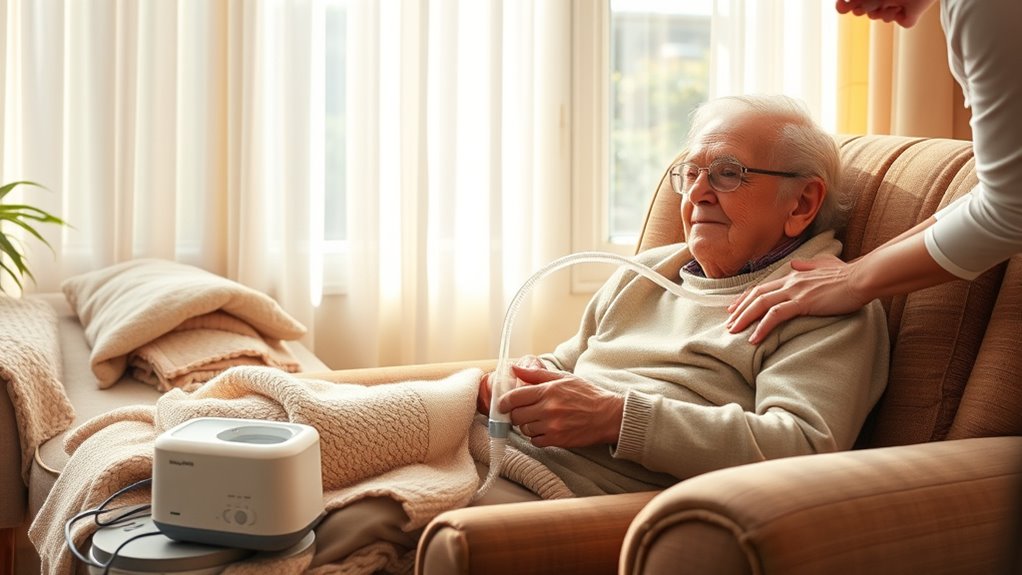

To help a senior with COPD or emphysema breathe easier at home, encourage gentle, tailored activities like walking and breathing exercises, while monitoring their response. Maintain good indoor air quality by limiting irritants like smoke and pollutants. Provide a balanced diet with plenty of fluids, and create a calm, supportive environment. Regular communication with healthcare providers helps adjust routines as needed. Keep these strategies in mind, and you’ll find more helpful tips for supporting their comfort and health.
Key Takeaways
- Encourage gentle, tailored exercises like walking and breathing techniques to improve lung function and reduce breathlessness.
- Maintain a clean, well-ventilated environment to minimize exposure to airborne irritants and pollutants.
- Provide a balanced diet rich in fruits, vegetables, and lean proteins, and ensure proper hydration for overall respiratory health.
- Monitor symptoms regularly, track activity responses, and communicate with healthcare providers for personalized care adjustments.
- Foster a calm, supportive atmosphere to promote adherence to routines and enhance the senior’s comfort and well-being.

Caring for a senior with COPD or emphysema requires understanding their specific needs and being proactive about managing symptoms. One of the most effective ways to do this is by encouraging tailored exercise routines. Gentle activities like walking, stretching, or seated exercises can help improve lung capacity and overall stamina without overtaxing their respiratory system. It’s important to start slowly and monitor how they feel during each session, ensuring they don’t become short of breath or fatigued. Consistency is key; regular movement can strengthen muscles, enhance circulation, and reduce feelings of breathlessness over time. Always consult with their healthcare provider before establishing an exercise plan, and adapt routines as their condition evolves. Incorporating breathing exercises, such as pursed-lip or diaphragmatic breathing, can also support better oxygen intake and ease breathing difficulties. These exercises should be integrated into daily routines to help them better manage symptoms and maintain a sense of independence. Additionally, understanding the importance of air quality and minimizing exposure to irritants can play a vital role in symptom management.
In addition to physical activity, paying attention to nutritional tips can markedly influence their health. A balanced diet rich in fruits, vegetables, lean proteins, and whole grains supports immune function and overall strength. Because COPD can cause weight fluctuations and muscle loss, ensuring they receive adequate nutrition is essential. Small, frequent meals often work better than large ones, especially if they experience fatigue or breathlessness during eating. Avoiding foods that cause bloating or indigestion, like fried or highly processed items, can help reduce discomfort and improve breathing. Hydration is equally important; staying well-hydrated thins mucus in the lungs, making it easier to cough up and clear. It’s helpful to prepare meals that are easy to chew and swallow, especially if they develop swallowing difficulties. Incorporate foods rich in antioxidants and omega-3 fatty acids, which can help reduce inflammation and support lung health.
In caring for your loved one, maintaining a calm and supportive environment encourages better adherence to these routines. Keep track of their responses to different activities and dietary changes, and communicate regularly with their healthcare team. Adjust routines as needed, always prioritizing their comfort and safety. Remember, managing COPD or emphysema at home isn’t just about medication; it’s about creating a holistic approach that includes gentle exercise, proper nutrition, and mindful observation. This proactive stance helps your senior maintain as much independence as possible, improves their quality of life, and reduces the risk of complications. With patience, consistency, and proper guidance, you can help them breathe easier and enjoy each day more fully.

LEVOIT Air Purifiers for Bedroom Home Dorm, AHAM VERIFIDE, 3-in-1 Filter Cleaner With Aroma Pad, Filters Smoke, Allergens, Pet Dander, Odor, Dust, Office, Desktop, Core Mini-P, White
𝗪𝗛𝗬 𝗖𝗛𝗢𝗢𝗦𝗘 𝗔𝗛𝗔𝗠 𝗩𝗘𝗥𝗜𝗙𝗜𝗗𝗘 𝗔𝗜𝗥 𝗣𝗨𝗥𝗜𝗙𝗜𝗘𝗥𝗦: AHAM (Association of Home Appliance Manufacturers) is an ANSI-accredited organization that sets…
As an affiliate, we earn on qualifying purchases.
As an affiliate, we earn on qualifying purchases.
Frequently Asked Questions
How Can I Tell if My Senior Is Experiencing a COPD Exacerbation?
You’ll notice your senior struggling more with breathing, coughing, or producing more mucus, which signals a COPD exacerbation. Watch for signs of pulmonary infections like fever or chills, and emotional distress that may increase due to difficulty breathing. If their breathing worsens, they become more fatigued, or they show confusion, seek medical help promptly. Early intervention can prevent complications and ease their discomfort during an exacerbation.
Are There Specific Dietary Recommendations for Seniors With COPD or Emphysema?
They say ‘you are what you eat,’ so focus on proper nutrition tips for your senior. Make certain they get plenty of fruits, vegetables, and lean proteins to support lung health. Hydration strategies are essential; encourage water intake to thin mucus and ease breathing. Avoid foods that cause bloating or discomfort, and offer smaller, frequent meals to prevent fatigue. These steps help maintain their strength and improve breathing comfort.
What Are the Signs of Medication Side Effects in Seniors?
You should watch for signs of medication side effects in seniors, like dizziness, nausea, or unusual fatigue. Medication interactions can worsen these effects, so keep a close eye on any new symptoms. While some might consider alternative remedies, always consult a healthcare professional before combining treatments. Stay vigilant and report any concerns promptly to ensure your loved one stays safe and comfortable.
How Do I Manage Oxygen Therapy Equipment Safely at Home?
You should regularly check oxygen safety and guarantee the equipment is in good condition. Keep the oxygen concentrator or tank away from heat sources and flames, and never smoke nearby. Clean and maintain the equipment as instructed, replacing filters and checking for leaks. Keep the tubing untangled and secure to prevent tripping. Always turn off the device when not in use, and follow all manufacturer guidelines to ensure safe, effective oxygen therapy at home.
What Emergency Procedures Should I Prepare for in Case of Breathing Difficulty?
Ever wonder what to do if breathing suddenly becomes difficult? You should prepare an emergency kit with breathing aids, like inhalers or nebulizers, and make certain everyone knows how to use them. Create an emergency plan that includes calling 911 if symptoms worsen or don’t improve quickly. Regularly review these procedures with your loved one and keep emergency contacts handy, so you’re ready to act swiftly and confidently.

Inhale Lung Trainer | Breathing Exercise Device for Lungs | Made in USA | Lung Exerciser Device | Breathing Trainer | Adjustable Resistance | Medical Grade Silicone Mouthpiece | Carrying Case included
✅ DESIGNED & ASSEMBLED IN THE USA — Unlike competing breathing trainers sourced overseas, the Inhale Respiratory Trainer…
As an affiliate, we earn on qualifying purchases.
As an affiliate, we earn on qualifying purchases.
Conclusion
Taking care of your loved one with COPD or emphysema can be challenging, but with patience and proper management, you can make a real difference. Remember, you’re in this together, and your support is the key to better breathing and comfort. Stay vigilant, follow your healthcare provider’s advice, and don’t forget to take care of yourself too. Sometimes, it’s the little things that make the biggest impact—because a well-supported senior can breathe easier and live better.
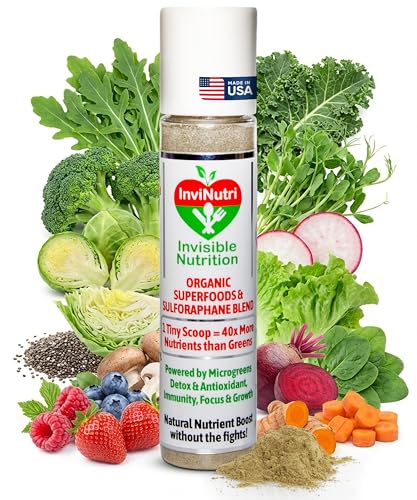
InviNutri Superfood Powder for Sensory & Picky Eaters. A TINY scoop- 40x Nutrient-Rich, 30mg Sulforaphane for Detox. Organic Microgreens, Fruits & Veggies – Blends Invisibly into Most Meals – 24 serv.
END MEALTIME BATTLES FOR MALNOURISHED & ALL PICKY EATER KIDS — Parents of picky eaters, especially those with…
As an affiliate, we earn on qualifying purchases.
As an affiliate, we earn on qualifying purchases.

Vicks Warm Steam Vaporizer & Humidifier 1.5 Gallon Tank for Small and Medium Rooms, Night Light, Works with VapoPads and VapoSteam
Soothing warm mist for restful sleep: ideal for cold and flu season, this warm steam humidifier helps relieve…
As an affiliate, we earn on qualifying purchases.
As an affiliate, we earn on qualifying purchases.