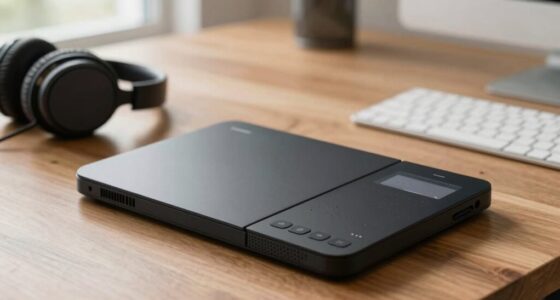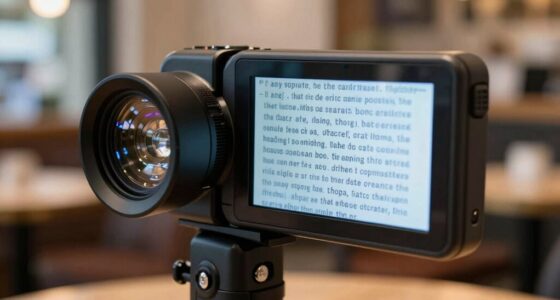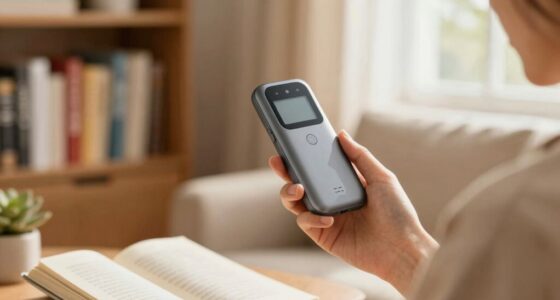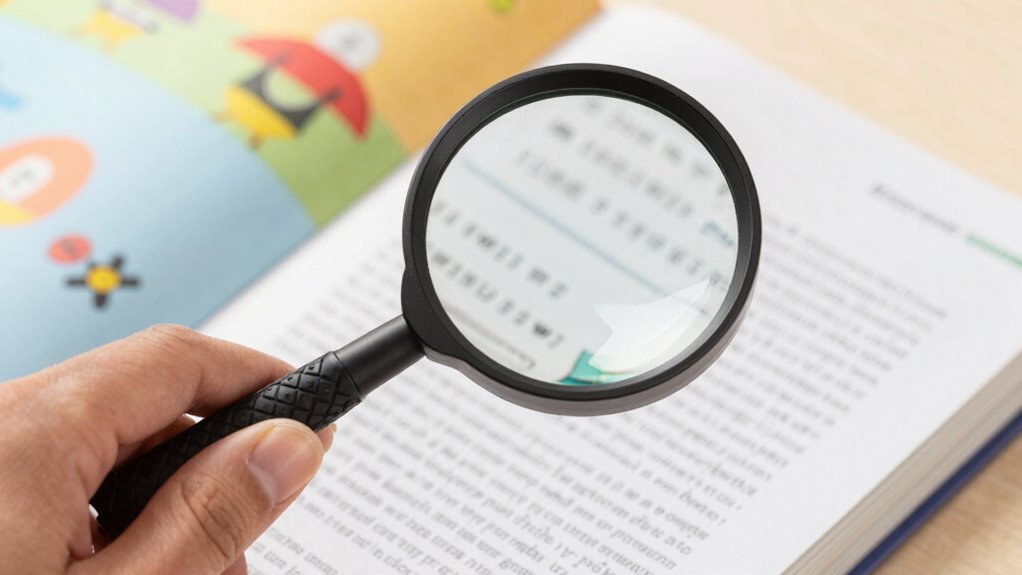

Magnifiers are essential low vision devices that help you perform everyday tasks more independently by enlarging visuals and text for better clarity. They come in handheld or stand-mounted styles, often with adjustable magnification and LED lighting. Using a magnifier boosts your confidence, allowing you to see labels, faces, or menus more clearly without strain. By choosing the right device and using proper lighting, you can make daily activities easier—keep exploring to discover more about how these tools can support you.

Turn quiet afternoons into listening time
- Thousands of audiobooks, podcasts and originals
- Listen on your phone, tablet or Echo — also offline
- Cancel anytime
Key Takeaways
- Magnifiers enlarge text and images, making reading and viewing tasks easier for individuals with low vision.
- They promote independence by enabling users to perform daily activities without assistance.
- Modern magnifiers include features like adjustable zoom and LED lighting for customized use.
- They help maintain routines such as reading labels, signs, and personal documents confidently.
- Magnifiers supplement natural vision, reducing strain and enhancing overall visual comfort.
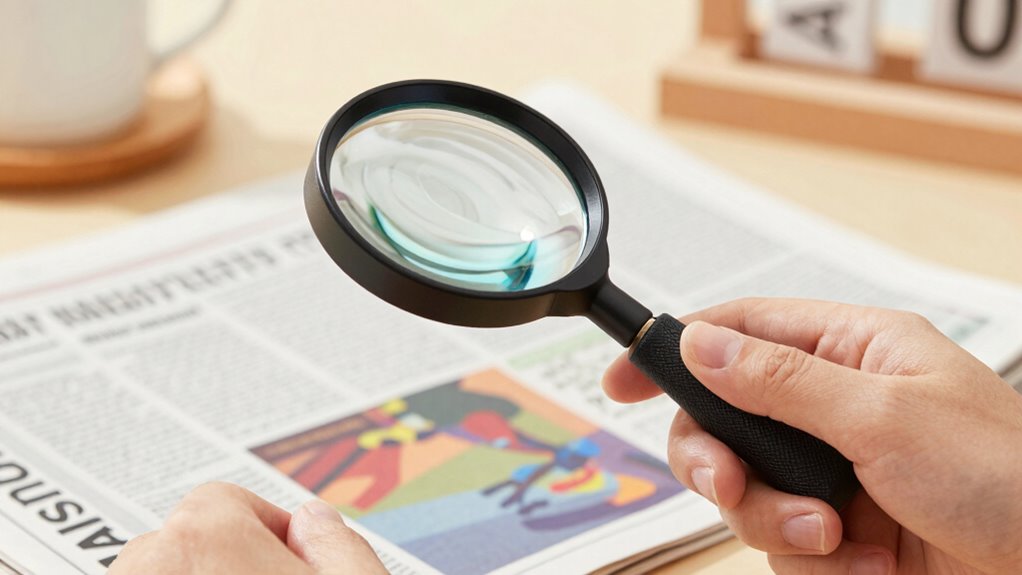
Have you ever wondered how people with limited vision can still read, write, or see clearly? The answer lies in assistive technology, a field that has advanced remarkably over the years to support those with low vision. Among the most effective tools are low vision devices, especially magnifiers, which play a vital role in everyday life. These devices are designed to enhance vision, making tasks like reading labels, viewing menus, or even recognizing faces more manageable and less frustrating. When you use a magnifier, you’re engaging in a form of vision enhancement that allows you to see details more clearly, often without needing to strain or squint.
Magnifiers come in many forms, from handheld lenses to stand-mounted devices, each tailored to specific needs. They enable you to enlarge images or text, providing a clearer view of details that would otherwise be difficult to see. This can substantially boost your independence, helping you carry out daily activities without relying heavily on others. For example, reading a newspaper or signing a check becomes easier, empowering you to maintain your routines and confidence. The beauty of these devices is their simplicity and portability, allowing you to carry a magnifier in your bag or pocket and use it whenever you need a quick vision boost. Additionally, modern low vision devices often incorporate features like LED illumination, adjustable magnification levels, and ergonomic designs to maximize comfort and usability. These innovations make it easier to tailor the device to your specific needs, whether you require a slight enlargement or a more substantial increase in size. As a result, you’re not just getting better vision—you’re gaining a sense of control over your environment. You can read your favorite book, check labels on products, or see your phone screen more clearly, all of which contribute to maintaining your independence.
Magnifiers are portable tools that enlarge text and images, enhancing independence and confidence in daily tasks.
Using low vision devices like magnifiers doesn’t mean you’re giving up on your ability to see; instead, you’re supplementing natural vision with technology that amplifies what you can see. This proactive approach helps bridge the gap between limited vision and the desire to live actively and independently. Incorporating assistive technology has become essential in making these tools more accessible and user-friendly for individuals with various levels of vision impairment. For example, color contrast plays a crucial role in improving the visibility of text and objects for many users. Understanding how to optimize lighting conditions can further enhance the effectiveness of these devices. As you explore different options, you’ll discover that these tools are more than just aids—they’re gateways to a more confident, autonomous lifestyle. With the right magnifier, you’ll find that seeing clearly again is within reach, making daily tasks less burdensome and more enjoyable.
Frequently Asked Questions
Are Low Vision Devices Covered by Insurance?
Yes, insurance often covers low vision devices like magnifiers, but coverage varies. You should check your specific insurance plan for details on coverage and eligibility. If insurance doesn’t fully cover the costs, explore affordability options such as government assistance programs, discounts, or financing plans. Contact your eye care provider or insurance company to understand your options and confirm you can access the necessary devices to support your daily independence.
Can Children Use Magnifiers Effectively?
Did you know that over 80% of children with visual impairments can effectively use magnifiers? You’ll find that magnifiers boost child engagement and support learning strategies by making text and images clearer. Children often adapt quickly, gaining independence in daily tasks. With proper guidance, magnifiers become valuable tools, helping children explore their environment confidently and develop essential skills for academic and personal growth.
How Do I Choose the Right Magnifier for My Needs?
To choose the right magnifier, consider your specific needs and the tasks you’ll use it for. Explore different magnifier types, like handheld, stand, or electronic models, to find what suits you best. Use selection tips such as evaluating magnification strength, size, and portability. Test various options if possible, and consult an eye care professional for personalized advice. This way, you guarantee you pick a magnifier that enhances your daily independence effectively.
What Maintenance Is Required for Magnifiers?
You should regularly clean your magnifier with a soft, damp cloth to keep it clear and free of dust. Check the lens for smudges and gently wipe them to maintain clarity. If your magnifier has a battery, replace it as needed to guarantee peak performance, especially for electronic models. Follow the manufacturer’s instructions for specific cleaning routines and battery replacement guidelines to keep your device functioning well.
Are There Portable Options for On-The-Go Use?
Yes, there are portable options for on-the-go use. Compact handheld magnifiers and small electronic magnifiers are designed for easy transportation, fitting comfortably in your pocket or bag. These devices offer excellent on-the-go usability, allowing you to read labels, menus, or street signs effortlessly wherever you are. Their lightweight, portable design guarantees you remain independent and confident in daily activities, no matter where life takes you.
Conclusion
While low vision devices like magnifiers promise to restore your independence, they often remind you just how much you relied on perfect vision all along. Instead of seamlessly reading or seeing details, you might find yourself fumbling with gadgets that highlight your limitations. Ironically, these tools are meant to empower, yet sometimes they serve as a gentle nudge that even with help, some things still require patience—and a good sense of humor.
Fall Picks
fall essentials
As an affiliate, we earn on qualifying purchases.