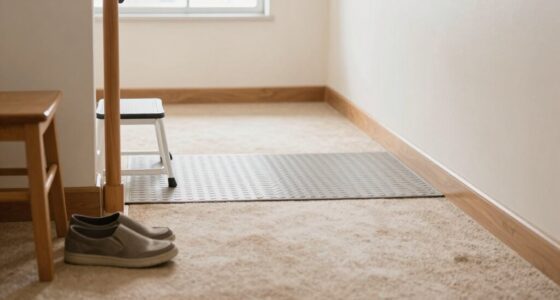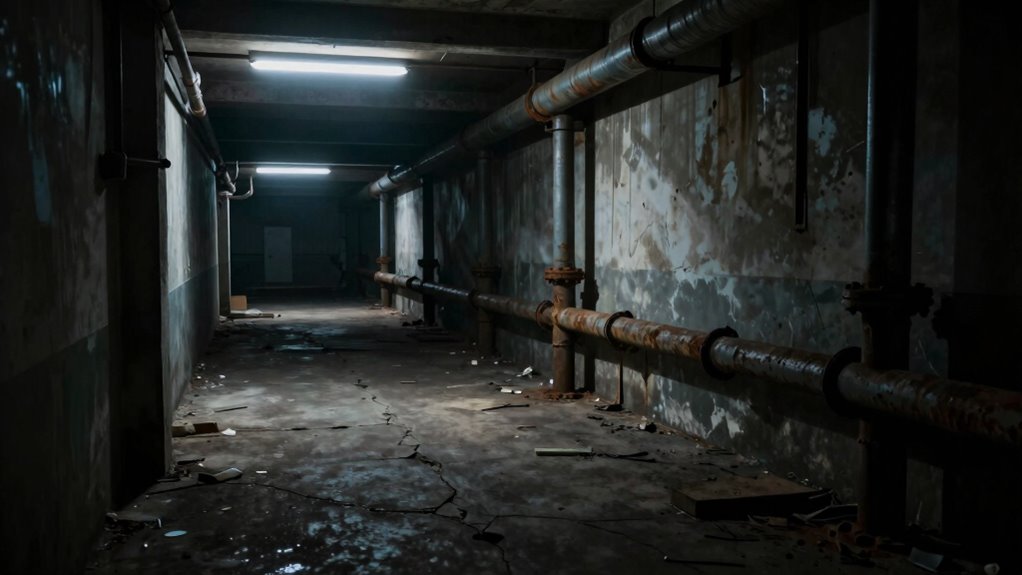
Poor lighting can be a bigger safety issue than strength because it impairs your ability to see hazards clearly, increasing risks like slips, trips, and falls. Even the strongest person can struggle in dim or poorly positioned lighting, which can cause eye strain, glare, and misjudgments. Faulty motion sensors or uneven illumination can suddenly blind or confuse you, making accidents more likely. If you’re curious about how proper lighting keeps you safer, there’s more to discover.

Turn quiet afternoons into listening time
- Thousands of audiobooks, podcasts and originals
- Listen on your phone, tablet or Echo — also offline
- Cancel anytime
Key Takeaways
- Poor lighting impairs visibility, making hazards harder to detect than physical strength can mitigate.
- Glare and uneven lighting increase accident risks regardless of individual strength or effort.
- Faulty or poorly positioned lights cause misjudgments and accidents even when users are physically capable.
- Inadequate lighting can lead to slips, trips, and falls that strength alone cannot prevent.
- Proper lighting enhances reaction time and hazard awareness more effectively than relying solely on physical strength.
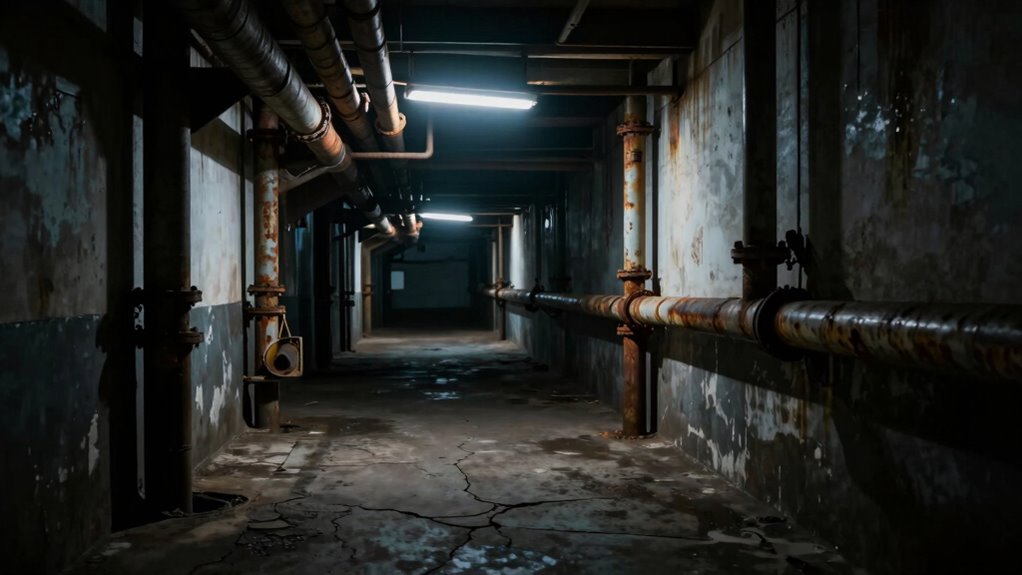
Have you ever considered how lighting safety impacts your daily environment? It’s easy to overlook how essential proper lighting is until something goes wrong. Poor lighting can cause more than just inconvenience—it can be a serious safety hazard. Glare hazards, for example, can impair your vision, making it difficult to see clearly and increasing the risk of slips, trips, and falls. When lighting is too harsh or poorly positioned, your eyes strain, and your ability to quickly identify hazards diminishes. This emphasizes the importance of proper lighting design in safety management. This is especially true in areas with reflective surfaces or uneven lighting, where glare can be unpredictable and dangerous.
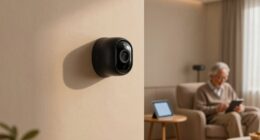
Another often-overlooked issue involves the misuse of motion sensors. These devices are designed to improve safety and energy efficiency by turning lights on or off automatically when movement is detected. However, improper installation or malfunction can lead to frequent false triggers or delayed responses, creating dangerous situations. Imagine walking through a hallway where the lights flicker or turn off unexpectedly just as you’re about to pass through—this sudden change in visibility can cause you to stumble or misjudge your footing. Misuse of motion sensors can also lead to inadequate lighting during critical moments, such as late at night when you need clear visibility to navigate safely. It’s also worth noting that reliable sensor technology can significantly reduce these risks if properly selected and maintained.
Lighting safety issues are more insidious than strength-related problems because they directly affect your ability to see and react. While strength might prevent you from lifting heavy objects or resisting impacts, poor lighting can impair your perception, making otherwise manageable environments hazardous. For instance, insufficient lighting in stairwells or outdoor pathways can hide obstacles or uneven surfaces, increasing your chances of accidents. Similarly, glare hazards can temporarily blind you, slowing your reactions and heightening the risk of injuries. Additionally, understanding lighting safety is crucial because it involves proper maintenance and awareness of potential hazards that can be mitigated with simple adjustments. Regularly inspecting your lighting fixtures can help prevent hazardous conditions caused by faulty wiring or deteriorating bulbs, further enhancing safety. Being aware of the impact of lighting on safety can help you identify and address issues before they lead to accidents.
Addressing these issues requires awareness and proper maintenance. You should regularly check that your lighting is appropriately positioned, not overly bright or glaring. Be cautious when installing motion sensors—ensure they are correctly calibrated and placed where they won’t cause unnecessary flickering or failure to activate. Simple adjustments, like adding diffusers or repositioning fixtures, can drastically reduce glare hazards. Likewise, replacing malfunctioning sensors or upgrading to more reliable models can improve safety. Remember, good lighting isn’t just about visibility; it’s about creating an environment where hazards are minimized, and you can move confidently and securely. Ultimately, paying attention to lighting safety can make a bigger difference in preventing accidents than relying solely on physical strength.
Frequently Asked Questions
How Does Lighting Affect Visibility During Emergencies?
Lighting considerably impacts your emergency visibility, helping you see hazards and escape routes clearly. Proper lighting reduces lighting hazards that could cause trips or falls, especially in urgent situations. Poor lighting can obscure exits or dangerous obstacles, making evacuation difficult and increasing injury risk. When lighting is adequate, you can respond faster and safer, ensuring a smoother emergency process. Proper illumination is essential to keep you safe during emergencies, preventing accidents caused by poor visibility.
What Are the Best Lighting Practices for Outdoor Safety?
To guarantee outdoor safety, you should prioritize good design considerations that provide even, bright lighting along pathways, entrances, and dark corners. Use motion-activated lights to save energy and enhance security. Opt for energy-efficient fixtures like LED lights, which last longer and consume less power. Regularly maintain and check your outdoor lighting to prevent outages. Proper placement and quality fixtures make your outdoor spaces safer and more welcoming during nighttime.
Can Poor Lighting Cause Accidents Even if Structures Are Strong?
Yes, poor lighting can cause accidents even if structures are strong. When lighting is inadequate, you face visual impairment, making it hard to see hazards clearly. This increases your risk of tripping or falling. Additionally, light pollution from poor lighting can obscure important visual cues, further impairing safety. Proper outdoor lighting enhances visibility, reduces accidents, and guarantees you can navigate safely, especially at night or in low-light conditions.
How Often Should Safety Lighting Be Inspected and Maintained?
You should inspect and maintain safety lighting monthly, ensuring every bulb and fixture shines brightly like guiding stars in a dark sky. Regular maintenance schedules and thorough inspection protocols help catch dimming lights or faults early, preventing accidents in low visibility. Visual checks, testing emergency lights, and replacing worn components keep your environment safe, making sure illumination always guides and protects everyone, even in the darkest moments.
Are There Specific Lighting Standards for Different Workplaces?
Yes, there are specific lighting standards for different workplaces. You should follow lighting regulations that specify workplace illumination levels based on the type of work performed. For example, manufacturing areas require brighter lighting than office spaces. These standards guarantee safety and productivity by preventing accidents and eye strain. Always check local regulations and industry guidelines to ensure your workplace lighting complies, and regularly review and update the lighting to maintain safety standards.
Conclusion
Lighting often gets overlooked, but it’s essential for safety—better lighting can reduce accidents by up to 70%. You might think strength is the main concern, but poor lighting creates hazards that aren’t as obvious. Imagine walking through a dimly lit parking lot; your risk of tripping or being assaulted skyrockets. So, next time you think about safety, remember that proper lighting isn’t just about visibility; it’s about saving lives.
Fall Picks
fall essentials
As an affiliate, we earn on qualifying purchases.