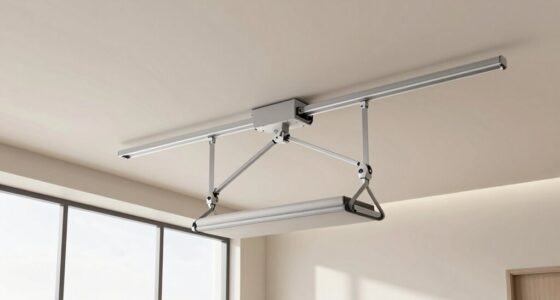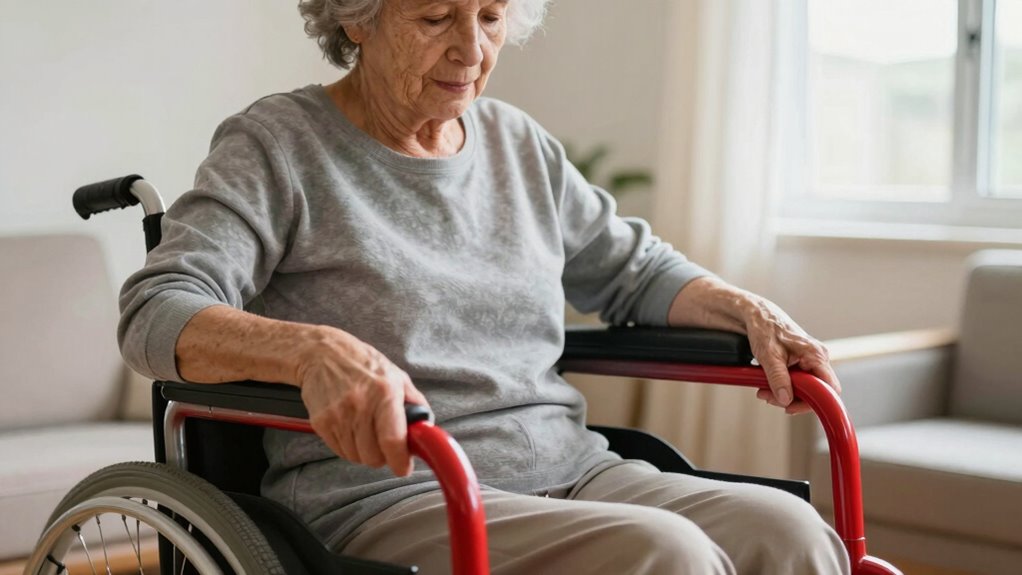

Using transfer aids proactively helps you move safely and confidently during daily activities, reducing the risk of slips and falls before they happen. These devices support proper posture, distribute your weight evenly, and provide leverage, making transfers easier and safer. By using aids early, you can prevent injuries and maintain independence longer. Proper training and awareness increase your comfort and control. Keep going to discover how these tools can keep you safer every day.

Get comfort and care essentials delivered free — and shop member deals
- Fast, free delivery on millions of items
- Access to Prime Big Deal Days deals on October 6–7
- Prime Video, Amazon Music and more included
Key Takeaways
- Using transfer aids proactively reduces muscle strain and improves movement safety during routine transfers.
- Early use of transfer devices helps prevent falls rather than only responding after an injury.
- Proper transfer aids enhance confidence and independence in daily activities.
- Regular use supports maintaining physical health and balance over time.
- Educating on transfer aid use promotes safer techniques and reduces reliance on emergency interventions.
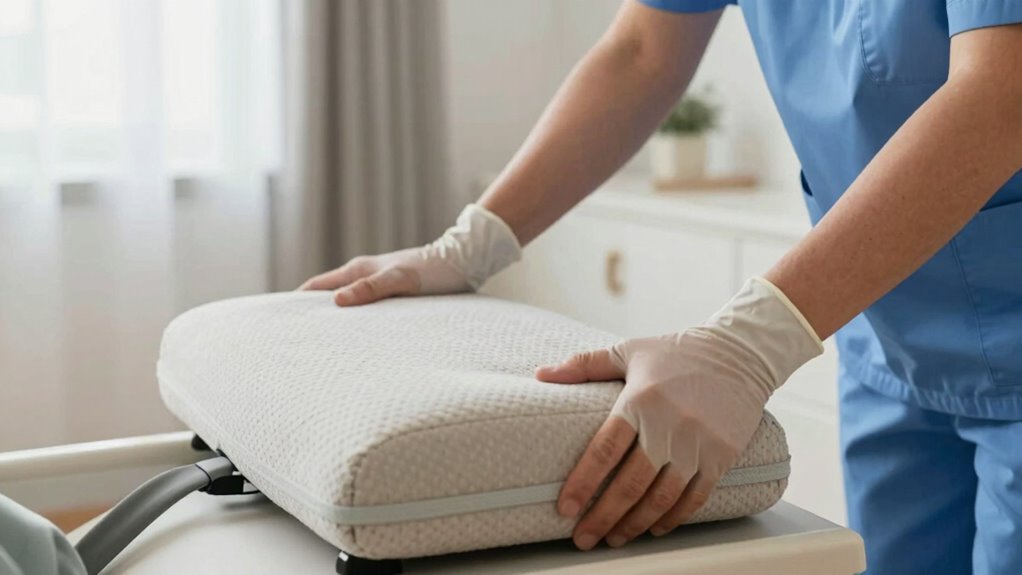
Have you ever considered how much easier your daily tasks could be with the right transfer aids? These tools, often overlooked, play a vital role in maintaining independence and safety. Assistive technology, such as transfer aids, is designed specifically to support people who experience difficulty moving from one position or surface to another. When you use mobility devices like transfer belts, slide sheets, or transfer boards, you can perform everyday activities with less effort and risk. The key point is that transfer aids aren’t just about responding to emergencies—they’re about proactively enhancing your quality of life.
Many people think that transfer aids are only necessary after a fall or injury, but that’s a misconception. Using assistive technology beforehand can prevent accidents from happening in the first place. When you have the right transfer devices, you’re less likely to strain muscles, lose your balance, or slip during transfers. This proactive approach not only protects your physical health but also preserves your confidence. Knowing that you have reliable support makes it easier to participate in daily routines, whether you’re moving from a bed to a wheelchair or getting into a car. Incorporating preventive measures into your mobility routine can significantly reduce the risk of injuries. Additionally, training and education are essential to ensure proper use and maximize safety.
Using transfer aids proactively helps prevent falls and boosts confidence in daily mobility.
Mobility devices that serve as transfer aids are designed to be intuitive and user-friendly. They help distribute your weight evenly and provide leverage, making transfers smoother and safer. For example, a transfer belt offers a secure grip for caregivers and users alike, reducing the risk of sudden slips. Transfer boards enable you to slide from one surface to another without excessive effort, especially when used correctly. These assistive tools are essential components of a well-rounded mobility plan, empowering you to maintain independence while minimizing potential hazards. Additionally, inclusive casting ensures that transfer aids are accessible and adaptable for everyone, promoting a more equitable approach to mobility support. When properly trained, users and caregivers can confidently utilize these aids to improve safety and effectiveness.
As an affiliate, we earn on qualifying purchases.
Frequently Asked Questions
How Do I Choose the Right Transfer Aid for My Needs?
To choose the right transfer aid, consider your specific mobility needs and environment. Look for ergonomic design features that provide stability and ease of use. Prioritize user comfort by selecting aids that feel comfortable in your hands and suit your body size. Test different options if possible, and consult with a healthcare professional to guarantee the transfer aid supports safe, confident transfers, reducing fall risk and enhancing independence.
Are Transfer Aids Covered by Insurance or Healthcare Plans?
Yes, transfer aids are often covered by insurance and healthcare plans, but coverage varies. You should check with your provider to see if your policy includes insurance coverage for specific aids. Some plans might require a prescription or documentation from your healthcare provider. It’s a good idea to review your healthcare plan details or contact your insurer directly to understand what’s covered and any potential out-of-pocket costs.
Can Transfer Aids Improve Independence for Elderly Individuals?
You might be surprised to learn that over 60% of elderly individuals experience improved independence with assistive technology like transfer aids. These devices considerably enhance mobility, making daily activities easier and safer. By incorporating transfer aids, you empower elderly loved ones to move more confidently, reducing reliance on caregivers. This mobility enhancement fosters a sense of autonomy, boosts self-esteem, and ultimately improves their overall quality of life.
What Training Is Needed to Use Transfer Aids Safely?
You need proper caregiver training to use transfer aids safely. This includes learning the proper technique for each aid, such as lifts, slides, or supports, to prevent injuries. Training should cover body mechanics, communication with the person you’re assisting, and evaluating individual needs. By mastering these skills, you ensure safe, effective transfers, reduce fall risks, and promote independence for the elderly. Regular refreshers help maintain safety standards.
How Often Should Transfer Aids Be Maintained or Replaced?
You should follow a regular maintenance schedule for transfer aids, typically inspecting them weekly for signs of wear or damage. Guarantee transfer aids when they meet the replacement criteria, such as frayed straps, cracks, or weakened materials. Regular checks ensure safety and functionality, preventing accidents. Adhering to these practices helps maintain the integrity of the aids and keeps users secure, reducing fall risks before an incident occurs.
As an affiliate, we earn on qualifying purchases.
Conclusion
You might be surprised to learn that nearly 30% of falls among older adults happen during transfers. That’s why transfer aids matter even before a fall occurs. Using the right equipment can give you confidence and stability, helping you stay independent longer. Don’t wait until an accident happens—invest in transfer aids now. Staying proactive keeps you safer and preserves your mobility, so you can continue enjoying your daily routines with peace of mind.
As an affiliate, we earn on qualifying purchases.
As an affiliate, we earn on qualifying purchases.
Cold & flu season Picks
humidifiers
As an affiliate, we earn on qualifying purchases.