
After every fall incident, you should review the environmental conditions, emergency response, and underlying health factors involved. Check for hazards like clutter, poor lighting, or uneven surfaces that may have contributed. Assess how quickly and properly help was provided, and consider health issues like medication or weakness. This review helps you identify causes and improve safety measures. To find out how to do this effectively, keep going—you’ll get useful tips and insights.

Get comfort and care essentials delivered free — and shop member deals
- Fast, free delivery on millions of items
- Access to Prime Big Deal Days deals on October 6–7
- Prime Video, Amazon Music and more included
Key Takeaways
- Assess the immediate emergency response for timeliness and appropriateness.
- Identify environmental hazards that contributed to the fall.
- Review the injured person’s health status and potential medication effects.
- Determine if proper safety protocols and procedures were followed.
- Analyze underlying behavioral factors or health issues to prevent recurrence.

Have you ever considered why reviewing every fall incident is crucial? It’s a fundamental step in ensuring safety and preventing future accidents. When a fall occurs, whether it’s in a workplace, healthcare facility, or home, your immediate focus might be on providing aid and evaluating injuries. But once the person is safe, taking the time to examine the incident itself is just as important. This review helps identify what led to the fall, whether environmental hazards, health issues, or behavioral factors played a role. By understanding these causes, you can implement effective fall prevention strategies, reducing the risk of future falls.
An important aspect of this review is analyzing your emergency response. How quickly and efficiently did you respond? Did you follow proper procedures? Was help provided promptly, and was the injured person stabilized appropriately? Reviewing your emergency response ensures that you’re prepared to handle falls effectively, minimizing injury severity and promoting faster recovery. It also highlights areas where your team might need additional training or resources, ultimately strengthening your overall safety protocol. Incorporating post-incident analysis into your routine can help identify areas for improvement and prevent similar incidents.
Reviewing emergency responses ensures preparedness, enhances safety protocols, and helps identify training needs for faster, effective fall management.
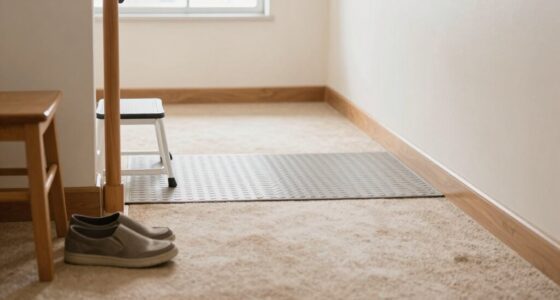
Beyond immediate response, reviewing every fall incident offers insight into environmental risks. Were there cluttered walkways, poor lighting, or uneven surfaces? Did the individual require assistive devices that weren’t readily available? Addressing these environmental factors can greatly improve fall prevention. Regularly scrutinizing these aspects allows you to proactively remove hazards or modify the environment to make it safer for everyone. This ongoing vigilance is a cornerstone of maintaining a fall-safe environment. Incorporating household safety checks into your routine can help identify potential hazards before they cause a fall. Additionally, understanding how quality and freshness influence safety can guide better maintenance and monitoring of your environment.
Furthermore, a detailed review can uncover underlying health issues or behavioral patterns contributing to falls. For example, medication side effects, dizziness, or muscle weakness might be factors. Recognizing these allows for better healthcare management or tailored interventions. It also encourages collaboration with medical professionals to develop thorough fall prevention plans that go beyond just environmental modifications. Incorporating caregiver emotional well-being into this process can lead to more compassionate and effective support strategies. Additionally, understanding the role of emerging trends in healthcare can help in adopting innovative approaches to fall prevention.
In essence, reviewing every fall incident isn’t about assigning blame but about continuous improvement. It’s a crucial step that informs your safety policies, refines your emergency response, and enhances fall prevention measures. By doing so, you create a safer environment where risks are minimized, and individuals feel more secure. Over time, this proactive approach can drastically reduce the frequency and severity of falls, protecting both your team and those in your care. Remember, every fall provides an opportunity to learn and improve, making detailed reviews an indispensable part of your safety strategy.
As an affiliate, we earn on qualifying purchases.
Frequently Asked Questions
How Soon Should I See a Doctor After a Fall?
You should see a doctor immediately after a fall if you experience severe pain, dizziness, confusion, or bleeding, or if you suspect a fracture or head injury. Even if symptoms seem mild, it’s wise to seek medical advice to rule out underlying issues. Afterward, consider home modifications to prevent future falls and incorporate balance exercises into your routine to improve stability and reduce risk. Prioritize your safety and health promptly.
What Are the Signs of a Concussion?
You should recognize signs of a concussion through symptoms like headache, dizziness, confusion, nausea, or sensitivity to light and noise. If you experience memory loss or balance issues, these indicate potential injury severity. Pay close attention to symptom recognition, as early detection helps determine if medical evaluation is necessary. If any signs worsen or don’t improve, seek medical care promptly to prevent complications and guarantee proper recovery.
Should I Report Every Fall to My Employer?
Yes, you should report every fall to your employer. Addressing falls promptly supports workplace safety and fall prevention efforts by identifying hazards early. Some might think small falls aren’t serious, but reporting guarantees proper assessment and prevents future incidents. Your employer needs the information to improve safety measures, reducing risks for everyone. Don’t hesitate—reporting helps create a safer environment and demonstrates your commitment to workplace safety.
How Can I Prevent Falls in the Future?
To prevent falls, focus on improving your home safety and maintaining good balance. Clear clutter, secure loose rugs, and guarantee proper lighting to reduce hazards. Incorporate balance exercises into your routine, like standing on one leg or walking heel-to-toe, to strengthen stabilizing muscles. Regularly assess your environment and stay active to decrease fall risks, and consider consulting a healthcare professional for personalized advice.
Is It Safe to Continue Normal Activities After a Fall?
After a fall, it’s like walking a tightrope—you need to be cautious. It’s not always safe to jump right back into normal activities, especially if your fall increased your fall risk. Check if your safety gear is intact and if you feel steady. Consult your healthcare provider before resuming routine tasks. Prioritize your safety first; rushing back might cause another slip on the same icy patch.
As an affiliate, we earn on qualifying purchases.
Conclusion
Remember, each fall is a storm that shakes your foundation—don’t just weather it, learn from it. Reviewing what happened is like shining a light into the shadows of your missteps, guiding you toward safer ground. By reflecting after every incident, you’re building a fortress of awareness around you, preventing future tumbles. Keep this practice close, and watch your confidence grow steady as a mountain, unshaken by the winds of misfortune.
As an affiliate, we earn on qualifying purchases.
assistive walking devices for seniors
As an affiliate, we earn on qualifying purchases.
As an affiliate, we earn on qualifying purchases.
Cold & flu season Picks
humidifiers
As an affiliate, we earn on qualifying purchases.