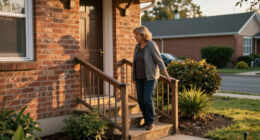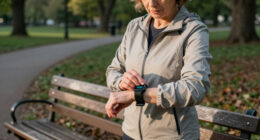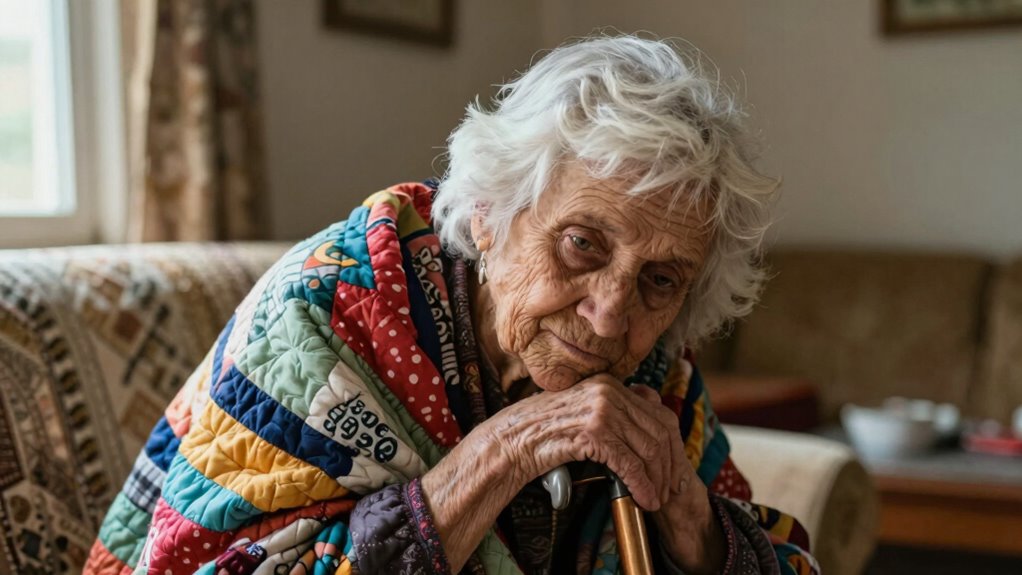

Pushing a senior to take “one more step” when they’re fatigued can do more harm than good, increasing the risk of injury, discouragement, or emotional distress. Fatigue in seniors often comes from physical or psychological challenges, and ignoring their signals may cause frustration or even loss of confidence. Instead, recognize when they’re truly tired and offer gentle support. If you stay attentive to their needs, you’ll discover ways to encourage safely and compassionately. Keep exploring to learn more.

Get comfort and care essentials delivered free — and shop member deals
- Fast, free delivery on millions of items
- Access to Prime Big Deal Days deals on October 6–7
- Prime Video, Amazon Music and more included
Key Takeaways
- Pushing for “one more step” can cause frustration or injury if the senior is genuinely fatigued.
- Recognizing signs of tiredness versus hesitation is essential for appropriate support.
- Gentle encouragement and small goals boost confidence without risking overexertion.
- Emotional and psychological factors influence mobility; support should address these alongside physical needs.
- Safety and realistic expectations prevent accidents and promote sustained, comfortable mobility.
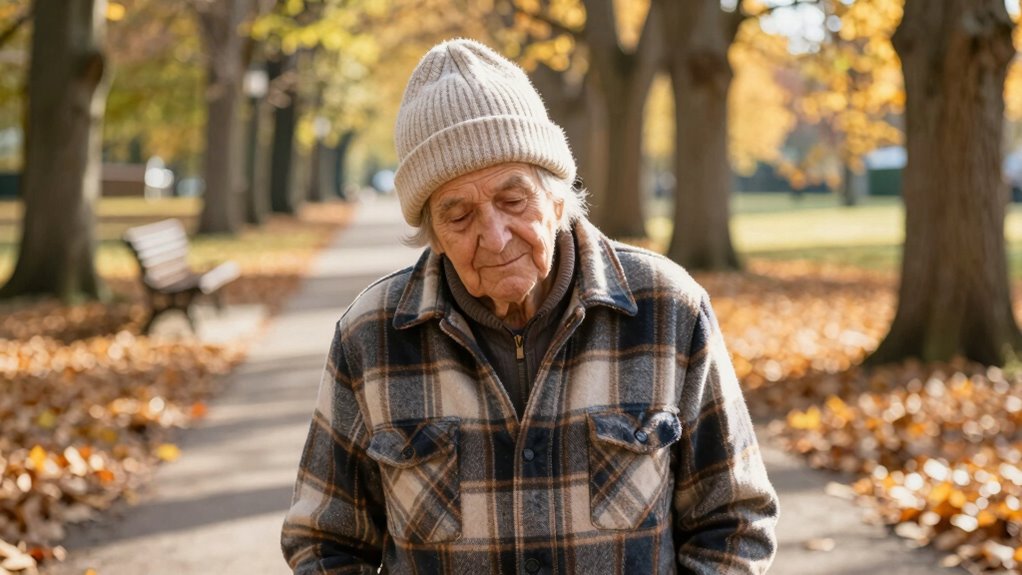
When a senior feels fatigued, hearing “one more step” can seem like a simple encouragement, but it’s often more complex than it appears. For many seniors, mobility challenges aren’t just about physical limitations; they’re intertwined with emotional and psychological hurdles. Pushing for one more step might motivate some, but for others, it can cause frustration or even injury if not approached thoughtfully. You need to recognize when your loved one is genuinely tired versus when they’re just feeling hesitant or overwhelmed. Knowing this distinction helps you tailor your motivational strategies effectively, ensuring safety comes first while still encouraging movement.
Understanding the nature of mobility challenges is essential. Fatigue can stem from various issues—arthritis, muscle weakness, balance issues, or chronic illnesses—that make each step more taxing. When a senior is fatigued, they might feel discouraged, worried about falling, or simply exhausted from recent activity. Simply insisting on “one more step” without considering their physical state can backfire, leading to decreased confidence or increased reluctance to try again. Instead, focus on gentle encouragement that acknowledges their effort and celebrates small victories. This positive reinforcement can boost their confidence and reduce feelings of helplessness. Recognizing emotional and psychological factors related to mobility can help you better support your loved one’s overall well-being. Additionally, incorporating mindfulness techniques can assist seniors in managing anxiety or frustration associated with mobility challenges. Moreover, using visual cues or landmarks can serve as motivating goals, helping seniors focus on achievable targets rather than the overall distance. Being aware of household safety measures can also prevent potential accidents during these moments of fatigue, emphasizing the importance of a safe environment.
Furthermore, understanding the physical limitations of each individual helps in crafting realistic expectations and appropriate support strategies. The key is to create an environment that promotes safety and confidence, rather than pressure or frustration.
As an affiliate, we earn on qualifying purchases.
Frequently Asked Questions
How Can Caregivers Tell if a Senior Is Truly Fatigued?
You can tell if a senior is truly fatigued by observing emotional exhaustion signs like irritability, withdrawal, or mood swings. Watch for cognitive decline, such as forgetting recent events or confusion. If they seem unusually tired, struggle to concentrate, or lose interest in activities, they might be experiencing genuine fatigue. It’s essential to listen carefully and consider these signs, rather than pushing them to keep going, to guarantee their safety and well-being.
What Are Safe Alternatives to Encouraging “One More Step”?
Think of exercise motivation as gentle rain nourishing a garden; pushing too hard risks causing a storm. Instead of insisting on “one more step,” offer emotional support by praising efforts, adjusting activities to their energy level, or suggesting a brief rest. Encourage gentle movements, like seated stretches or slow walks, that feel safe and manageable. Your calming presence becomes the sunshine that keeps their spirit and body thriving without overwhelming them.
How Does Fatigue Impact a Senior’s Overall Health?
Fatigue profoundly impacts your overall health by weakening your immune system and reducing your ability to meet nutritional needs. When you’re tired, sleep quality often drops, leading to a cycle of exhaustion. This can cause muscle weakness, cognitive decline, and increased vulnerability to illness. Prioritizing rest and proper nutrition helps restore energy, improves sleep, and supports your body’s recovery, ultimately maintaining better health and daily functioning.
Are There Specific Signs Indicating When to Stop Physical Activity?
You should stop exercise immediately if you notice fatigue indicators like dizziness, chest pain, or severe shortness of breath. Pay attention to your body’s signals and prioritize exercise safety. If you feel overly exhausted, dizzy, or experience joint pain, it’s time to rest. Recognizing these fatigue indicators helps prevent injury and guarantees you stay active safely. Always listen to your body and consult a healthcare provider with concerns.
What Role Does Medication Play in Senior Fatigue Levels?
Medication acts like a double-edged sword, influencing your energy levels in complex ways. Side effects can drain your vitality, making you feel more fatigued, while drug interactions may create unexpected drowsiness or weakness. It’s essential to stay aware of how your medicines affect you, consult your healthcare provider regularly, and adjust doses if needed. By understanding these factors, you can better manage fatigue and preserve your strength for what truly matters.
senior fall prevention safety equipment
As an affiliate, we earn on qualifying purchases.
As an affiliate, we earn on qualifying purchases.
Conclusion
Remember, when a senior is fatigued and whispers “one more step,” it’s like asking a fragile bridge to hold more weight. Pushing too hard can cause it to crack, risking a fall. Instead, be the steady hand holding that bridge, offering support and patience. Sometimes, the strongest step you can take is pausing, allowing their spirit to rest and rebuild. That gentle pause guarantees they cross safely, stronger and more confident with each step.
gentle encouragement mobility tools
As an affiliate, we earn on qualifying purchases.
As an affiliate, we earn on qualifying purchases.
As an affiliate, we earn on qualifying purchases.
Evergreen bestsellers Picks
bestsellers
As an affiliate, we earn on qualifying purchases.