To build a simple fall prevention routine, start by inspecting your home for hazards like clutter, loose rugs, or uneven floors, and make safety modifications like installing grab bars and improving lighting. Incorporate regular balance and strength exercises such as heel-to-toe walks or leg lifts, doing them at least three times a week. Wear supportive shoes and keep your vision sharp with up-to-date glasses. Keep safety devices current, and stay vigilant to make adjustments as needed—you’re about to learn more ways to stay safe.

Get comfort and care essentials delivered free — and shop member deals
- Fast, free delivery on millions of items
- Access to Prime Big Deal Days deals on October 6–7
- Prime Video, Amazon Music and more included
Key Takeaways
- Incorporate daily balance and strength exercises like heel-to-toe walks and leg lifts.
- Conduct regular home safety checks to remove hazards and install supportive modifications.
- Wear supportive, non-slip footwear and keep vision aids updated for clear sight.
- Maintain an active lifestyle with walking or stretching to preserve mobility and flexibility.
- Review and adjust safety routines and home modifications regularly as needs change.
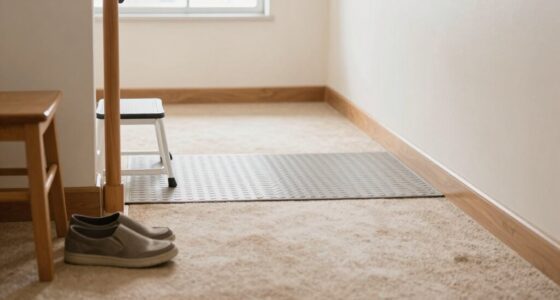
Falls can happen unexpectedly, but implementing a fall prevention routine can considerably reduce your risk. The first step is to evaluate your home safety. Take a walk through your living space and look for hazards like loose rugs, clutter, or uneven flooring. Secure loose carpets with non-slip pads, clear walkways of unnecessary furniture, and install grab bars in the bathroom near the toilet and shower. Good lighting is essential; replace dim bulbs and consider nightlights to illuminate dark areas. Keeping pathways clear and well-lit helps prevent trips and falls, especially at night.
Evaluate your home for hazards, secure rugs, clear walkways, and improve lighting to prevent falls.
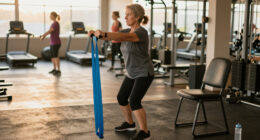
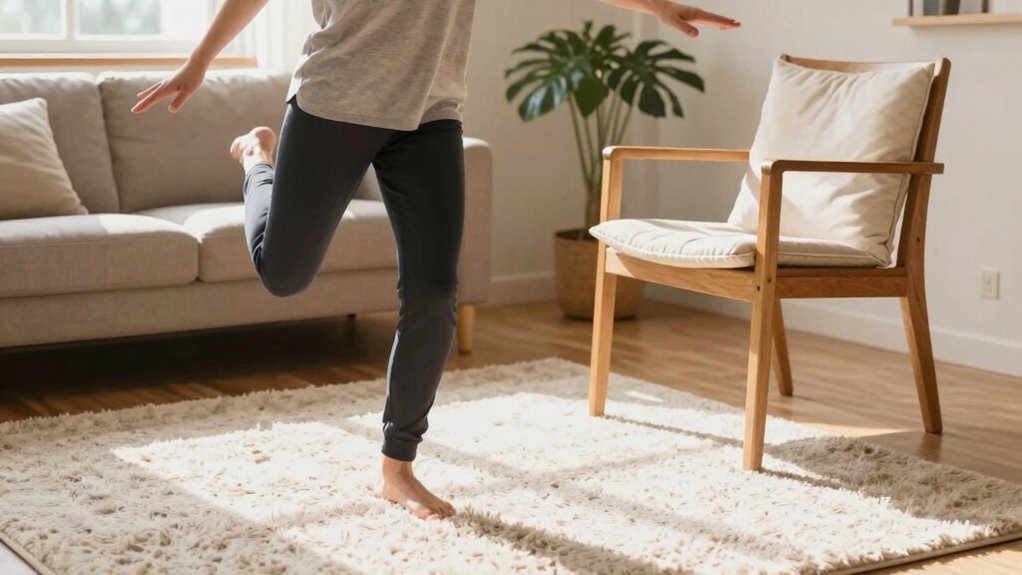
In addition to improving your home safety, incorporating regular mobility exercises into your daily routine can strengthen muscles and improve balance. Simple activities like leg lifts, ankle circles, and seated marches target key muscle groups involved in maintaining stability. Balance exercises such as standing on one foot or heel-to-toe walks can enhance coordination. Start slow and perform these exercises in a safe environment, preferably near a sturdy surface or chair you can hold onto if needed. Consistency is key; aim to do these exercises at least three times a week to build strength gradually.
Another important aspect of your fall prevention routine is to pay attention to your footwear. Wear supportive, non-slip shoes that fit well and provide good traction. Avoid walking in socks or slippers that lack grip, especially on smooth or slippery surfaces. Keep your glasses clean and up-to-date, as clear vision plays a critical role in avoiding obstacles. Additionally, engaging in balance training and incorporating stability-focused activities like using a balance board can further improve your overall coordination and reduce fall risk. Research shows that balance exercises can significantly enhance postural control, making daily movements safer. Staying physically active overall is equally crucial. Engage in activities like walking or gentle stretching to maintain your mobility and flexibility. Maintaining a healthy weight reduces stress on your joints and improves balance, making falls less likely. Regular assessment of mobility can help identify specific areas for improvement and prevent potential falls before they occur. Incorporating home safety modifications, such as installing handrails or removing tripping hazards, can also make a significant difference. If you have any health conditions or concerns about your mobility, consult a healthcare professional for personalized advice and tailored exercises.
Finally, make a habit of reviewing and updating your fall prevention routine regularly. As you age or if your health changes, your needs may evolve. Adjust your home safety measures, increase the difficulty of your mobility exercises gradually, and stay vigilant about your environment. Incorporating modern safety technology such as motion sensors or emergency alert systems can also provide additional security. By actively taking these steps, you empower yourself to stay safer at home and reduce the risk of falls markedly.
Frequently Asked Questions
Can Fall Prevention Routines Be Customized for Different Age Groups?
Yes, fall prevention routines can be customized for different age groups. You should start with personalized assessments to identify specific risks and needs. Then, incorporate age-specific strategies, such as strength exercises for seniors or balance training for children. Tailoring routines guarantees effectiveness and safety, making it easier for you to prevent falls. Adjusting activities based on age helps address unique challenges, promoting better overall safety and confidence.
How Long Does It Take to See Results From a New Routine?
You’ll start noticing improvements within a few weeks if you maintain exercise consistency and keep your routine flexible. It typically takes about 4 to 6 weeks to see noticeable changes in balance, strength, and confidence, but results can vary based on your dedication and starting point. Stick with your routine, adapt it as needed, and stay committed to your fall prevention efforts for the best outcomes.
Are There Specific Exercises Recommended for Seniors?
Yes, there are specific exercises recommended for seniors. You should focus on balance exercises like standing on one foot or heel-to-toe walks, which help improve stability. Incorporate strength training, such as light resistance exercises for legs and core, to enhance muscle support. These exercises can substantially reduce fall risk, and with consistent effort, you’ll notice improvements in your balance and strength, making everyday activities safer and easier.
What Should I Do if I Experience Dizziness During Exercises?
Did you know that dizziness can cause up to 20% of falls in seniors? If you experience dizziness during exercises, stop immediately and focus on dizziness management. Sit or lie down in a safe place, hydrate, and breathe deeply. Always prioritize exercise safety by listening to your body, and consult your healthcare provider if dizziness persists. Adjust your routine gradually to prevent falls and improve stability.
How Often Should I Review and Update My Fall Prevention Routine?
You should review and update your fall prevention routine at least every six months. This guarantees you maintain routine consistency and adapt to any changes in your health or environment. Regularly check for safety adjustments, like fixing hazards or adding support features, to keep your routine effective. Staying proactive helps prevent falls and keeps you confident in your everyday activities. Make updates a priority to maintain a safe, supportive environment.
Conclusion
By following this simple fall prevention routine, you considerably reduce your risk of falls and injuries. Did you know that falls are the leading cause of injury among adults over 65, accounting for over 30% of all injuries in that age group? Staying proactive with regular exercises, proper footwear, and home safety checks can make a real difference. Take these small steps today—your safety and independence are worth it!
Fall Picks
fall essentials
As an affiliate, we earn on qualifying purchases.