After a near fall, stay calm and regain your balance, using nearby objects or extending your arms for support. Check the environment for hazards like loose rugs or cords, and make safety adjustments to prevent future incidents. Allow yourself to feel any emotions, then practice calming techniques to ease tension. If you feel pain or dizziness, seek medical attention. Continuing with safety awareness and regular checks can help protect you—more tips to keep you safe are ahead.

Turn quiet afternoons into listening time
- Thousands of audiobooks, podcasts and originals
- Listen on your phone, tablet or Echo — also offline
- Cancel anytime
Key Takeaways
- Immediately regain your balance and support yourself to prevent a full fall.
- Assess the environment for hazards like loose rugs or cords and remove or secure them.
- Reflect on what caused the near fall to identify and address potential risks.
- Practice calming techniques to manage emotional responses such as fear or frustration.
- Review safety measures, such as installing grab bars or organizing clutter, to prevent future falls.
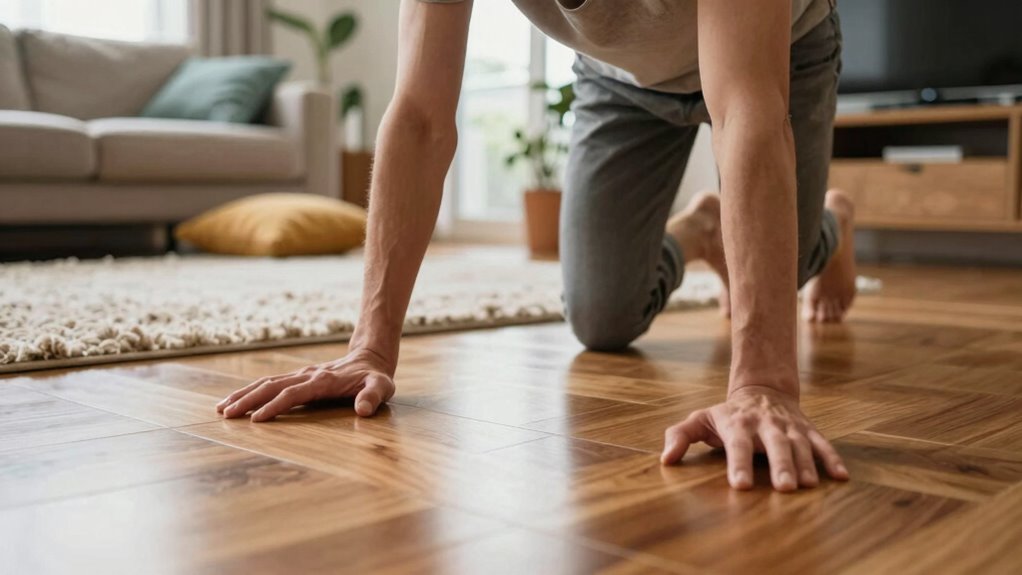
Experiencing a near fall can be unsettling, but knowing how to respond quickly and effectively can prevent injury and boost your confidence. When you feel yourself losing balance or stumble, your immediate priority should be to steady yourself without panicking. If possible, extend your arms or use nearby objects for support to prevent a full fall. Once you regain stability, take a moment to assess what caused the near fall. This is essential for implementing safety precautions moving forward, whether it’s removing loose rugs, securing cords, or adjusting your footwear. Taking these steps helps create a safer environment and reduces the risk of future falls.
Stay calm, support yourself, and assess the cause to prevent future falls and stay safe.
After the initial response, it’s important to focus on emotional recovery. Even if no one was hurt, a near fall can shake your confidence and cause anxiety about falling again. Allow yourself to feel whatever emotions surface—fear, frustration, or embarrassment—and remind yourself that it’s normal. Practicing calming techniques like deep breathing or grounding exercises can help you regain a sense of control. It’s also helpful to reflect on the incident objectively: understanding what triggered the near fall can lessen fear and create a proactive mindset. Remember, emotional recovery isn’t about ignoring your feelings but addressing them constructively so they don’t impact your daily life. Recognizing the importance of balance and stability can motivate you to incorporate exercises and habits that support your physical health. Additionally, staying informed about safety assessments and how to perform them can empower you to identify hazards before they cause incidents. Regularly reviewing your environment for hazardous conditions is a vital part of ongoing safety awareness.
While recovering emotionally, don’t neglect your physical health. If you experience any pain, dizziness, or weakness afterward, seek medical attention promptly. Sometimes, injuries aren’t immediately apparent, and overlooking symptoms could lead to more serious issues. Even if you feel fine, consider scheduling a check-up if you’re concerned about underlying health conditions that might contribute to balance problems. Regular health assessments and consultations with your healthcare provider can help identify issues early and guide you on appropriate safety precautions, such as balance exercises or therapy, to enhance stability. Additionally, paying attention to home safety can significantly reduce the chances of future incidents. Staying vigilant about new or potential hazards in your environment is also an important part of ongoing safety management.
Finally, it’s crucial to stay vigilant and proactive after a near fall. Keep your living space clutter-free, install grab bars where needed, and use assistive devices if recommended. Share your experience with friends, family, or caregivers so they can support your emotional recovery and help reinforce safety precautions. Remember, a near fall is a warning sign—not a failure. By responding thoughtfully, adjusting your environment, and addressing emotional concerns, you can reduce the likelihood of future incidents and regain confidence in your daily activities.
Frequently Asked Questions
How Can I Prevent Future Near Falls?
To prevent future near falls, focus on improving your home safety by removing tripping hazards and installing grab bars. Choose footwear with good grip and support, avoiding slippery or loose shoes. Keep walkways clear and well-lit, and consider using assistive devices if needed. Regularly check your environment for risks, stay active to strengthen muscles, and be mindful of your surroundings to reduce the chances of falling again.
Should I See a Doctor After a Near Fall?
An ounce of prevention is worth a pound of cure, so yes, you should see a doctor after a near fall. Fall recovery techniques and post fall safety tips are essential, even if you feel fine. A healthcare professional can check for hidden injuries and help you develop strategies to prevent future falls. Don’t ignore the signs—your health and safety depend on timely medical advice and proper fall prevention measures.
What Signs Indicate a Serious Injury?
If you notice signs of concussion like headache, dizziness, confusion, or vomiting, seek medical attention immediately. Watch for fall-related fractures, such as intense pain, swelling, or inability to move a limb. If you experience blurred vision, loss of balance, or persistent headache, these are serious indicators. Trust your instincts—if something feels wrong, get checked out promptly to prevent further injury.
How Do I Improve My Balance and Stability?
To improve your balance and stability, start incorporating balance exercises like standing on one leg or using a balance board. Consistent stability training enhances your core strength and coordination, reducing fall risk. Focus on exercises that challenge your balance gradually, and include activities like yoga or tai chi. Regular practice helps strengthen muscles, improve proprioception, and boost confidence in movement, making you more stable and less prone to falls.
When Is It Necessary to Report a Fall Incident?
Have you ever wondered when you should report a fall incident? You need to do so promptly if anyone is injured, if the fall was caused by a hazard, or if your workplace or home has specific reporting procedures. Legally, reporting helps protect you from liability and guarantees proper documentation. Always consider legal considerations and follow established protocols, as timely reporting can prevent future accidents and support necessary safety measures.
Conclusion
So, next time you barely dodge disaster, remember: you’ve just earned a gold star in the “Close Call Chronicles.” Pat yourself on the back, breathe a sigh of relief, and maybe even do a little victory dance—just in case your balance was a fluke. After all, who needs a hero when you’ve got the uncanny ability to keep yourself upright? Stay alert, stay safe, and keep those near-falls to a minimum—your dignity will thank you.
Fall Picks
fall essentials
As an affiliate, we earn on qualifying purchases.