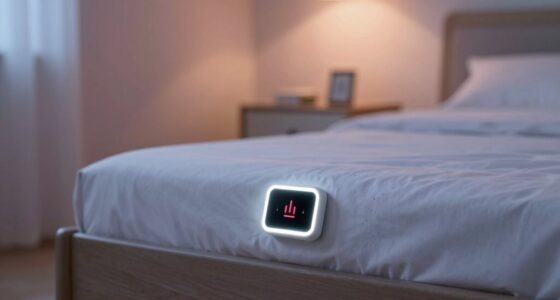
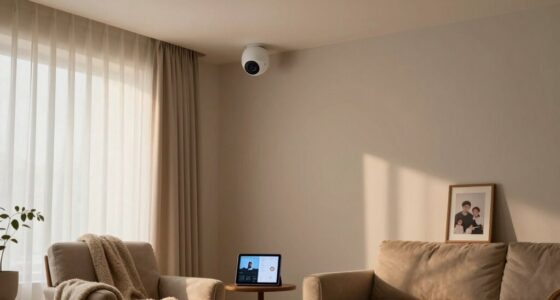
Monitoring technology helps you oversee your loved one’s safety and health from a distance by providing real-time updates on their environment, activities, and wellbeing. It’s designed to blend seamlessly into daily routines, offering peace of mind without intruding on privacy. While privacy concerns exist, open communication and choosing user-friendly devices make acceptance easier. Tools like activity trackers or cameras can strengthen your connection, but understanding how to balance safety with respect is key—foundations you’ll explore further now.

Turn quiet afternoons into listening time
- Thousands of audiobooks, podcasts and originals
- Listen on your phone, tablet or Echo — also offline
- Cancel anytime
Key Takeaways
- Monitoring technology provides real-time insights, enhancing safety and well-being from a distance.
- Open communication and privacy respect are vital for successful technology adoption.
- User-friendly devices and ongoing support improve acceptance among older adults.
- Selecting devices with high contrast and visual clarity aids those with impairments.
- Proper integration fosters trust, strengthens caregiving relationships, and ensures safety without intrusion.

When you’re providing long-distance care, monitoring technology can be a game-changer, giving you real-time insights into your loved one’s safety and well-being. It allows you to keep an eye on their health, daily activities, and environment without being physically present. As you explore these tools, you’ll notice how seamlessly they can integrate into your loved one’s routine, offering peace of mind and a better understanding of their needs. However, it’s important to deliberate privacy concerns that come with monitoring tech. Your loved one might feel uncomfortable or invaded if they believe their privacy is compromised. To address this, open communication is key. Explain how the technology works, what information is collected, and how it’s used. Respect their preferences, and involve them in choosing the devices, making certain they feel a sense of control over their privacy. This approach helps foster trust and encourages technology adoption, making the process smoother for everyone.
The adoption of monitoring technology requires a thoughtful approach. Not everyone is immediately comfortable with new gadgets or digital solutions, especially older adults who might be wary of unfamiliar devices. You’ll need patience and reassurance to help them see the benefits. Demonstrate how the technology can enhance their independence and safety, and provide ongoing support to troubleshoot any issues. When they understand how these tools work and see their value firsthand, they’re more likely to embrace them willingly. Additionally, choosing user-friendly devices with simple interfaces can make a significant difference. The easier it is for your loved one to operate the technology, the more likely they are to incorporate it into their daily routine without frustration.
Furthermore, understanding the contrast ratio of a device can help you select options that provide clearer images and better visual experiences, which is especially important for those with visual impairments. As you navigate technology adoption, be mindful of balancing safety benefits with respect for privacy. Some monitoring tools, like activity trackers or security cameras, can feel intrusive if not used thoughtfully. Always seek consent and set boundaries that respect your loved one’s comfort level. It’s also wise to keep updated on privacy laws and data security measures associated with these devices. This ensures that sensitive information remains protected and that you’re complying with relevant regulations. Ultimately, successful integration of monitoring tech in long-distance caregiving hinges on open communication, respect for privacy, and choosing user-friendly solutions. When done correctly, these tools can provide reassurance, enhance safety, and strengthen your connection, even from afar.
long-distance caregiver activity tracker
As an affiliate, we earn on qualifying purchases.
As an affiliate, we earn on qualifying purchases.
Frequently Asked Questions
What Are the Privacy Concerns With Monitoring Technology?
Privacy risks with monitoring technology include unauthorized access to sensitive data and potential breaches that compromise your loved one’s privacy. You might worry about data security, as personal information could be stolen or misused. To protect privacy, guarantee the devices have strong security measures, like encryption and secure passwords. Being aware of these risks helps you choose trustworthy technology and set clear boundaries to maintain your loved one’s dignity and confidentiality.
How Cost-Effective Is Long-Term Monitoring for Caregivers?
Long-term monitoring can be quite cost-effective for caregivers because it offers significant cost savings by reducing emergency interventions and in-person visits. It helps you manage your loved one’s health proactively, which can prevent costly hospitalizations. Incorporating monitoring tech into your budget planning guarantees you allocate funds wisely, making it easier to afford ongoing care. Overall, investing in monitoring technology often results in long-term financial benefits and peace of mind.
Are There Legal Restrictions on Monitoring Loved Ones?
Like Pandora’s box, monitoring tech can raise legal concerns. You must prioritize legal compliance and obtain consent requirements before tracking loved ones. Laws vary by state and country, so it’s essential to respect privacy rights and make sure your loved ones agree to monitoring. Ignoring these restrictions could lead to legal trouble. Always research local regulations and have transparent conversations to balance safety and privacy ethically.
How Can Technology Adapt to Changing Care Needs?
Technology can adapt to changing care needs through features like user customization and adaptive options. You can tailor alerts, interface settings, and monitoring parameters to fit your loved one’s evolving condition. As their needs shift, these tools allow you to adjust functions easily, ensuring continuous support without replacing devices. This flexibility helps maintain effective long-distance caregiving, giving you peace of mind that your loved one’s care remains personalized and responsive.
What Training Is Needed to Use Monitoring Devices Effectively?
To use monitoring devices effectively, you need proper device setup and user training. Start by carefully reading the instructions and following setup guides to guarantee the device is correctly installed and configured. Then, participate in user training sessions, whether in person or online, to learn how to operate the technology confidently. Regular practice and staying updated on new features will help you manage the devices smoothly and respond quickly when needed.
home security camera for elderly monitoring
As an affiliate, we earn on qualifying purchases.
As an affiliate, we earn on qualifying purchases.
Conclusion
Monitoring tech keeps you connected, keeps you informed, and keeps your loved one safe. It bridges the distance, bridges the uncertainty, and bridges the gap between you and their well-being. With the right tools, you can provide reassurance, support, and peace of mind—no matter how far apart you are. Embrace the technology that empowers you, enhances your care, and strengthens your bond. Because in long-distance caregiving, staying connected is the key to truly caring.
user-friendly health monitoring devices
As an affiliate, we earn on qualifying purchases.
As an affiliate, we earn on qualifying purchases.
privacy-conscious senior safety tech
As an affiliate, we earn on qualifying purchases.
As an affiliate, we earn on qualifying purchases.
Fall Picks
fall essentials
As an affiliate, we earn on qualifying purchases.