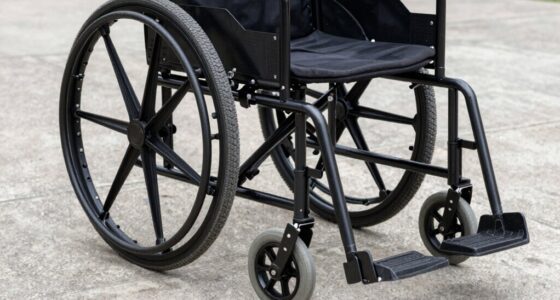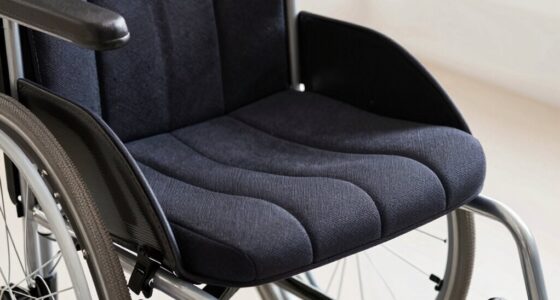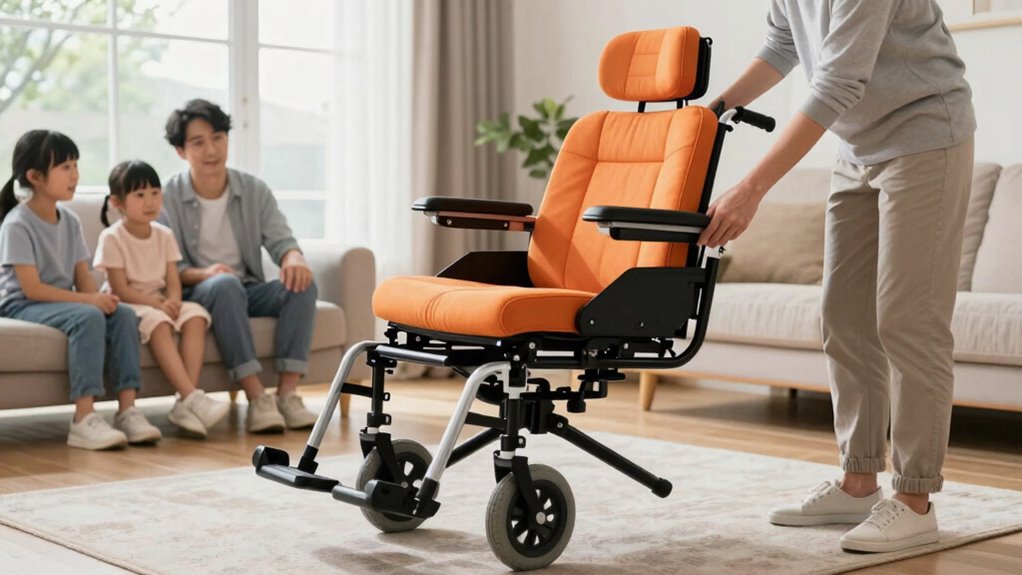

Tilt-in-space seating helps you support your loved one’s comfort, safety, and proper positioning. It allows adjustments to relieve pressure, improve circulation, and prevent pressure sores. Safety features like stability, easy controls, and harnesses keep them secure during use. Customization options let you adapt the chair as needs change, ensuring long-term support. If you want to learn more about making the right choice, there are key details you should know.

Turn quiet afternoons into listening time
- Thousands of audiobooks, podcasts and originals
- Listen on your phone, tablet or Echo — also offline
- Cancel anytime
Key Takeaways
- Tilt-in-space seating provides customizable support to improve comfort and posture for individuals with mobility challenges.
- Proper positioning and pressure management help prevent skin injuries and promote overall health.
- Safety features like stability, anti-tip, and harnesses are essential for secure use and fall prevention.
- Easy-to-use adjustments and regular maintenance ensure the chair adapts to changing needs and remains safe.
- Selecting durable, user-friendly chairs and receiving proper training supports independence and long-term safety.
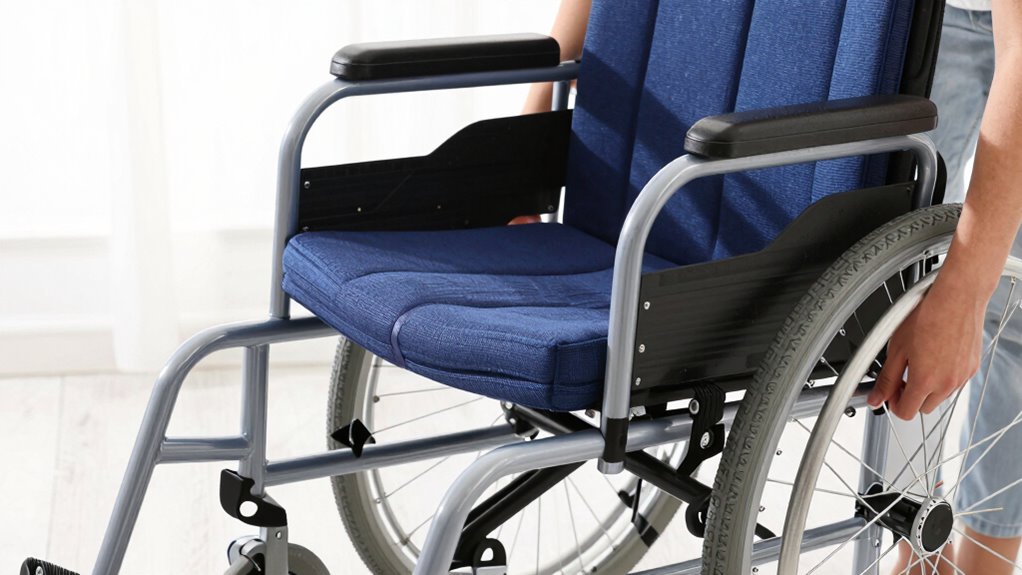
If your family is considering seating options for a loved one with mobility challenges, tilt-in-space seating is an essential feature to understand. This type of seating provides a unique way to support comfort and proper positioning, especially for individuals who have limited ability to shift or reposition themselves. One of the key benefits of tilt-in-space chairs is their adjustment options. You can tilt the seat and backrest together, maintaining the user’s hip and knee angles while changing the angle of the entire seat. This flexibility allows you to customize the fit to meet your loved one’s specific needs, whether for pressure relief, comfort, or postural support. Many models also offer adjustable headrests, armrests, and footrests, giving you the tools to create a highly personalized seating solution. These adjustment options make it easier to accommodate changes in your loved one’s condition or preferences over time, ensuring the chair continues to support their health and well-being. Additionally, understanding the importance of proper positioning can help prevent pressure sores, improve circulation, and promote spinal health. Proper positioning is vital for long-term health, especially when the individual spends extended periods in a chair. Regularly consulting with healthcare professionals can help optimize seating adjustments and ensure the chair continues to meet their evolving needs. Incorporating proper pressure distribution techniques can further enhance comfort and skin integrity, reducing the risk of pressure injuries. The ability to customize fit is another advantage that ensures the chair adapts as your loved one’s needs change over time. Safety considerations are equally important when choosing tilt-in-space seating. You want to make sure the chair is stable and secure, especially if your loved one tends to shift or move unexpectedly. Look for models with a sturdy base and anti-tip features to prevent accidental falls. The seat’s adjustment mechanisms should be easy to operate but secure enough to prevent unintentional changes. Safety straps or harnesses are also essential, providing additional security during movement or if your loved one has limited control over their body. Proper positioning is paramount—not only for comfort but also to prevent pressure sores, improve circulation, and promote proper spinal alignment. When selecting a tilt-in-space chair, consider how easily your loved one can access and control the adjustments, as intuitive features can reduce frustration and increase independence. Additionally, it’s important to evaluate the durability and safety aspects of the chair, such as ensuring it fits your loved one’s body size and shape and that it’s made from durable, high-quality materials. Regular maintenance and checks of the adjustment mechanisms help maintain safety and functionality over time. Keep in mind that proper training on how to use the chair’s features can greatly enhance safety and comfort. When you understand how to utilize all adjustment options correctly and are attentive to safety considerations, tilt-in-space seating becomes an invaluable tool in supporting your loved one’s mobility and quality of life.
As an affiliate, we earn on qualifying purchases.
Frequently Asked Questions
How Long Can a Person Safely Remain in a Tilt-In-Space Chair?
You can usually stay in a tilt-in-space chair for about 1 to 2 hours at a time, but it depends on individual needs. To prevent pressure sores, it’s essential to regularly shift or reposition, and guarantee the seat offers proper pressure relief. Always monitor seating stability and comfort. Consult a healthcare professional for personalized guidance, especially if you notice discomfort or skin redness, to keep safety and health a priority.
Are There Different Types of Tilt-In-Space Seating for Specific Conditions?
Think of tilt-in-space seating as a tailored suit—each type designed for specific needs. Yes, there are different styles, like those focused on pressure redistribution or alternative positioning, crafted to support various conditions. Some chairs tilt more for comfort, while others help with postural stability. By choosing the right one, you guarantee your loved one’s comfort and health, like a custom fit that adapts perfectly to their unique journey.
How Often Should the Seating System Be Adjusted or Replaced?
You should adjust or replace your tilt-in-space seating regularly to guarantee ongoing comfort and safety. Keep an eye on customization options, like adjustable angles, to suit changing needs. Check the material durability—over time, wear and tear can affect support. Typically, it’s best to review the seating system every 6 to 12 months with a healthcare professional, who can recommend adjustments or replacements to maintain peak function and comfort for your family member.
What Are the Signs of Discomfort or Pressure Sores?
Imagine your loved one’s skin as a delicate garden needing careful tending. Signs of discomfort or pressure sores include redness that doesn’t fade, skin warmth, or swelling—your comfort indicators. If you notice skin breakdown or persistent redness, it’s time to check the seating system. These signs signal that pressure isn’t evenly distributed, risking damage. Regularly observing and responding to these indicators keeps their skin healthy and comfortable.
Can Tilt-In-Space Seating Improve Overall Mobility and Independence?
Yes, tilt-in-space seating can improve your overall mobility and independence by providing better posture support and comfort enhancement. When you’re properly positioned, you experience less discomfort and pressure, which encourages easier movement. This seating also helps you maintain proper alignment, making activities like transferring and reaching more manageable. As a result, you can participate more actively in daily tasks, boosting your confidence and independence.
As an affiliate, we earn on qualifying purchases.
Conclusion
Understanding tilt-in-space seating helps you make informed choices for your loved one’s comfort and health. By visualizing how the seat shifts to relieve pressure and improve posture, you can see its real benefits. Think of it like a cozy recliner that adjusts to support your body’s needs. When you grasp how it works, you’ll feel confident in selecting the right seating solution, ensuring your family member stays comfortable, safe, and supported every day.
adjustable tilt-in-space seating
As an affiliate, we earn on qualifying purchases.
As an affiliate, we earn on qualifying purchases.
pressure sore prevention wheelchair
As an affiliate, we earn on qualifying purchases.
As an affiliate, we earn on qualifying purchases.
Evergreen bestsellers Picks
bestsellers
As an affiliate, we earn on qualifying purchases.