
Choosing a home care agency usually offers more legal protections and predictable costs since they’re licensed, screened, and often accept Medicaid, which can lower your expenses. Private aides lack formal licensing and may not meet safety or background check standards, making them riskier and pricier without coverage options. Understanding these differences can help you make a safer, more affordable decision—keep going to explore how licensing and costs impact your care options.

Turn quiet afternoons into listening time
- Thousands of audiobooks, podcasts and originals
- Listen on your phone, tablet or Echo — also offline
- Cancel anytime
Key Takeaways
- Home care agencies are licensed and regulated, ensuring caregivers meet safety, training, and background check standards.
- Agencies often accept Medicaid, reducing out-of-pocket costs and streamlining eligibility and billing processes.
- Private aides usually lack licensing and formal training requirements, leading to variable care quality and safety concerns.
- Agencies adhere to strict safety regulations and insurance requirements, providing legal protections and peace of mind.
- Private aides typically require private pay, which can be unpredictable and more expensive without insurance coverage.
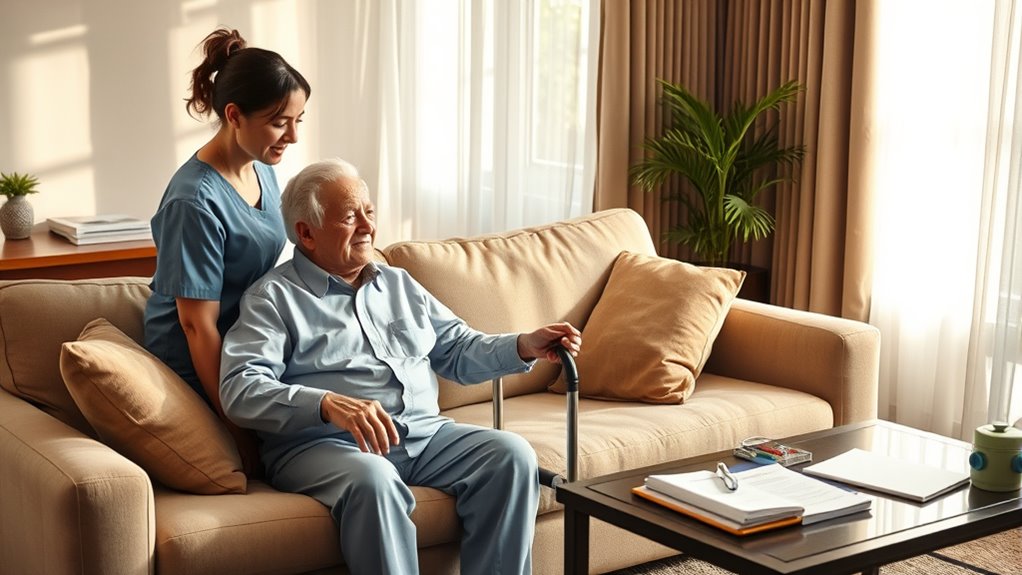
Deciding between a home care agency and a private aide can be overwhelming, but understanding the key differences can help you make the best choice for your needs. One of the first considerations is how each option handles Medicaid eligibility and caregiver licensing. Home care agencies typically have strict licensing requirements that ensure they meet state regulations for safety, training, and quality. These agencies are often licensed by the state, which means they’re held to standards that protect both you and your loved ones. This licensing process verifies that caregivers are properly trained, background-checked, and insured, giving you peace of mind. On the other hand, private aides usually aren’t required to hold specific licenses, which can lead to variability in the quality of care. Without licensing, it’s harder to verify their credentials or ensure they’ve undergone proper screening.
When it comes to Medicaid eligibility, home care agencies often work directly with Medicaid programs, making it easier for you to access coverage if you qualify. Agencies that accept Medicaid are familiar with the process and can help streamline the paperwork, so you don’t have to navigate complex eligibility rules alone. If Medicaid eligibility is a priority, choosing an agency that works with Medicaid can simplify your options and potentially lower your costs. Additionally, caregiver licensing ensures that staff meet certain training standards and legal requirements, which can improve the quality and safety of care you receive. If you’re relying on Medicaid, an agency that’s Medicaid-eligible can often provide a more predictable, covered service, whereas paying privately for an aide might quickly become expensive without coverage options.
Frequently Asked Questions
How Does Choosing a Home Care Agency Affect Insurance Coverage?
Choosing a home care agency enhances your insurance coverage and liability protection. Agencies typically carry insurance that covers worker’s compensation and liability, reducing your personal risk if an aide gets injured or causes damage. This means you’re less likely to face out-of-pocket expenses or legal issues. By opting for an agency, you guarantee better insurance coverage and liability protection, giving you peace of mind and safeguarding your financial interests.
Can a Private Aide Be Licensed or Certified?
A private aide typically isn’t licensed or certified unless they voluntarily pursue aide licensing or meet certification requirements. Unlike agency staff, who must adhere to strict licensing and certification standards, private aides often lack formal credentials. To guarantee quality and safety, you should verify if a private aide has completed certification requirements or has relevant training, though it’s not always legally required. This helps you make an informed hiring decision.
What Are the Tax Implications of Hiring a Private Aide?
A penny saved is a penny earned, so understanding tax implications is essential. When you hire a private aide, you may be eligible for tax deductions related to caregiving expenses. However, you’re responsible for employment taxes, including Social Security and Medicare. Failing to report wages or pay employment taxes can lead to penalties. Keep detailed records, and consult a tax professional to guarantee you’re compliant and maximizing potential benefits.
Is There a Difference in Background Checks Between Agencies and Private Aides?
Yes, there’s a difference in background checks. Agencies typically conduct thorough background screening and credential verification before hiring aides, ensuring they meet specific standards. Private aides might not undergo such extensive checks, so your safety depends on your own due diligence. When hiring privately, you should request background screening documents and verify credentials yourself to ensure the person’s trustworthiness and qualifications for caregiving.
How Do Payment Methods Differ for Agencies Versus Private Aides?
You typically have more payment options with agencies, including insurance billing, payroll, and direct payment, simplifying billing procedures. Private aides usually require out-of-pocket payments directly to them, often without insurance billing, which can make tracking expenses trickier. Agencies often handle taxes and legal paperwork for you, while private aides require you to manage these aspects yourself. Your choice affects how easily you can manage payments and keep records.
Conclusion
Choosing between a home care agency and a private aide depends on your needs and budget. Agencies offer more oversight, but private aides can be more affordable. Did you know that nearly 80% of seniors prefer staying at home? Whether you opt for professionalism or cost savings, understanding the legal and financial differences helps you make the best choice. Your loved one’s comfort and safety are worth the extra research—so weigh your options carefully.
Fall Picks
fall essentials
As an affiliate, we earn on qualifying purchases.