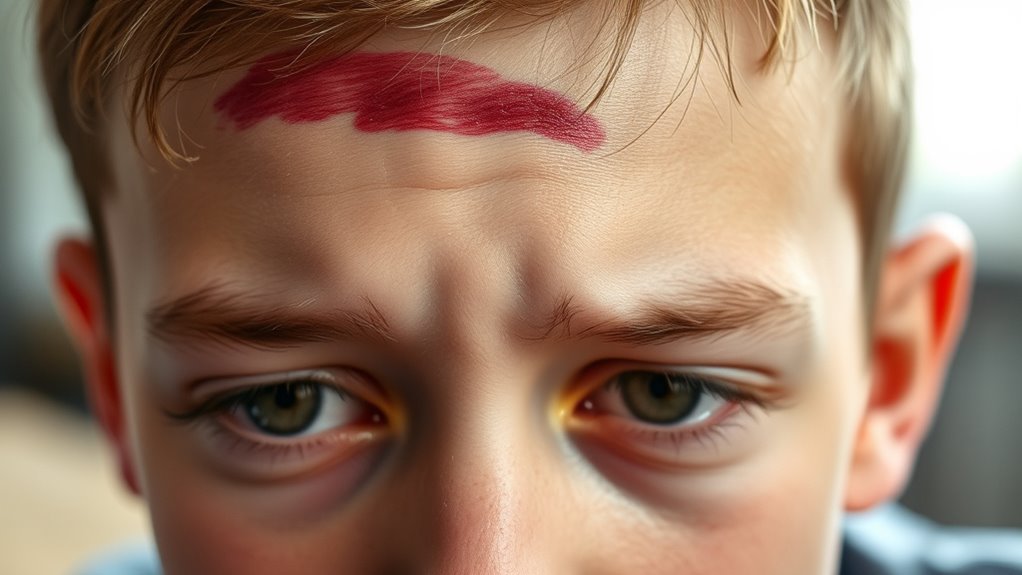

After a fall, watch for signs like worsening headaches, confusion, dizziness, and vomiting, which could indicate a concussion or brain injury. Pay attention to changes in consciousness, unresponsiveness, or difficulty staying awake. Look for physical signs such as scalp bruising, bleeding, or pupils that are unequal or unresponsive. If symptoms worsen or show red flags, seek emergency care immediately. Keep an eye on these warning signs to protect your loved one’s health; learn more below.
Key Takeaways
- Watch for worsening headaches, confusion, or difficulty staying awake, which may indicate brain swelling or increased pressure.
- Look for abnormal behavior, irritability, memory issues, or repeated vomiting, signaling possible brain injury.
- Observe for physical signs like scalp bleeding, bruising, or pupils unequal in size, indicating serious injury.
- Monitor for dizziness, blurred vision, unsteady gait, or loss of coordination, suggesting neurological impact.
- Be alert to symptoms that worsen or change unexpectedly, requiring immediate medical evaluation.

When someone sustains a head injury, recognizing the signs of a concussion or other serious injury is crucial for prompt treatment. One of the most concerning complications is brain swelling, which can develop rapidly and cause increased pressure inside the skull. If you notice symptoms like worsening headache severity, it could be a sign that the brain is swelling, and immediate medical attention is necessary. Headache severity isn’t just discomfort; it can indicate underlying issues such as bleeding or swelling pressing against brain tissue. As the pressure builds, the pain may intensify, become persistent, or differ from normal headaches, signaling that the injury is more serious.
Worsening headache after head injury signals possible brain swelling requiring urgent care.
You should also watch for changes in consciousness, such as confusion, disorientation, or difficulty staying awake. These signs suggest that the injury might be affecting brain function, especially if they occur alongside worsening headaches. Dizziness, blurred vision, or ringing in the ears are other symptoms that might point to brain trauma. If your loved one seems unusually dazed or unresponsive, don’t hesitate—call emergency services immediately. Loss of balance or coordination can also be a sign of brain injury, particularly if they stumble or cannot walk steadily.
Behavioral and cognitive changes are equally important indicators. Watch for unusual irritability, difficulty concentrating, or memory problems, which could indicate that the brain has been affected. Vomiting repeatedly or feeling nauseous after a head injury is another red flag, especially if it persists or worsens. These symptoms often accompany increased intracranial pressure from brain swelling, and prompt treatment can prevent permanent damage.
Physical signs such as bleeding or bruising on the scalp, especially if it’s deep or doesn’t stop bleeding, require urgent attention. Pupils that are unequal in size or do not respond normally to light are also concerning signs that suggest brain injury. As time passes, symptoms might evolve; they may seem to improve initially but then worsen unexpectedly, which could mean swelling or bleeding is progressing. Additionally, color accuracy and proper calibration of the display are vital for ensuring the most accurate assessment of symptoms when monitoring brain injuries through visual cues.
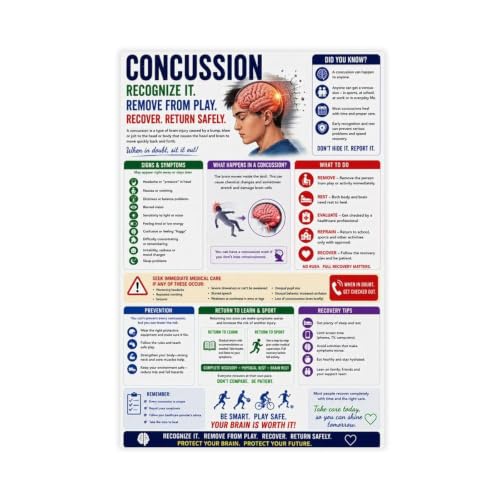
DADADADANIU Concussion Awareness Infographic Poster Head Injury Safety Wall Decoration Poster Family Bar Restaurant Garage Cafe Art Sign Gift Unframe 12x18inch
- Wall Art Style Options: Framed or unframed choices available
- Shop for More Posters: Explore other designs in the shop
- High-Quality Wall Decor: Printed on waterproof, eco-solvent canvas
As an affiliate, we earn on qualifying purchases.
As an affiliate, we earn on qualifying purchases.
Frequently Asked Questions
How Soon After Injury Should Symptoms Appear?
Symptoms of a concussion or injury typically appear within minutes to hours after the injury, but sometimes they can take up to 24-48 hours to develop. The timing of symptoms varies depending on the severity of the injury. You should monitor your loved one closely during this period, watching for signs like confusion, dizziness, or headache, and seek medical attention if symptoms worsen or don’t appear as expected.
Can a Concussion Occur Without Loss of Consciousness?
A concussion can definitely occur without loss of consciousness, proving that unconsciousness indicators aren’t the only signs. You might notice concussion symptoms like headache, dizziness, confusion, or nausea, even if your loved one remains alert. Don’t assume they’re fine—sometimes the most subtle signs hide a serious injury. Stay vigilant, because a lack of unconsciousness doesn’t mean the brain isn’t affected. Recognizing these symptoms early helps ensure they get the care they need.
When Is Emergency Medical Attention Necessary?
You should seek emergency medical attention immediately if you notice signs like severe headache, confusion, vomiting, or if your loved one shows symptoms of brain swelling or a skull fracture. These conditions can worsen quickly and require urgent care. Watch for persistent dizziness, weakness, or loss of coordination, as they indicate serious injury. Prompt treatment can prevent long-term damage, so don’t hesitate to get professional help right away.
Are There Long-Term Risks From Mild Concussions?
About 15% of people with mild concussions report persistent symptoms like headaches or memory issues, indicating potential long-term risks. While most recover within a few weeks, some may experience chronic effects that impact daily life. It’s important to monitor the recovery timeline and seek medical advice if symptoms linger, as untreated mild concussions can sometimes lead to lasting cognitive or emotional challenges.
How Can I Prevent Future Injuries After a Concussion?
To prevent future injuries after a concussion, focus on preventive measures like installing safety equipment such as helmets during sports or outdoor activities. Always encourage your loved one to wear proper gear, avoid risky behaviors, and create a safe environment at home. Stay vigilant about their activities, and educate them on the importance of safety to minimize the chances of another injury. Regular check-ins can also help guarantee their ongoing safety.

Mini First Aid Kit – 150 Piece Small Waterproof Hard Shell Medical Kit
- Complete Emergency Supplies: Over 150 professional-grade medical items
- Lightweight & Compact: Measures 6.4 x 4.9 x 2.7 inches, weighs 0.73 lbs
- Travel-Friendly Design: Includes premium zippers and carabiners for convenience
As an affiliate, we earn on qualifying purchases.
As an affiliate, we earn on qualifying purchases.
Conclusion
Remember, a quick bump can hide serious trouble. While your loved one might seem fine now, symptoms like confusion or dizziness could signal something more. Don’t wait for visible signs—trust your instincts. A minor fall today might lead to lasting damage if overlooked. Stay vigilant, act quickly, and get medical help if anything feels off. Because sometimes, the biggest dangers hide behind the smallest injuries. Your prompt response can make all the difference.
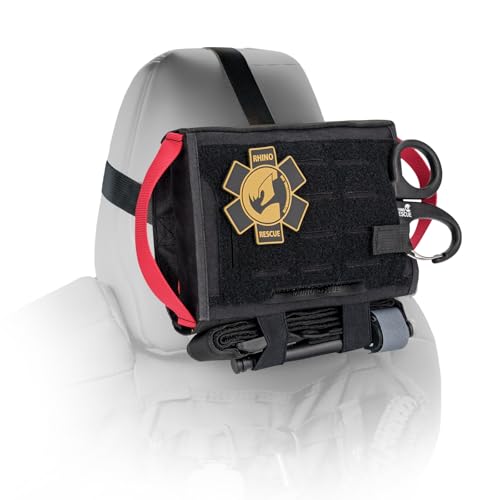
RHINO RESCUE Car Tactical IFAK Trauma Kit with C-A-T Tourniquet
- Vehicle Mount Compatibility: Secures to any headrest for quick access
- Quick-Draw Tab: Horizontal ejection for fast deployment
- External Gear Holders: Dedicated compartments for TQ and shears
As an affiliate, we earn on qualifying purchases.
As an affiliate, we earn on qualifying purchases.
As an affiliate, we earn on qualifying purchases.