
As you age, you may notice rashes and skin changes like age spots, seborrheic keratoses, eczema, or fungal infections. These are common in seniors and often harmless, but it’s important to monitor them for any new or changing signs that could indicate health issues. Proper skincare, sun protection, and timely treatment with moisturizers, topical steroids, or antifungals can help manage these conditions. Keep going to discover more ways to care for your skin.

Turn quiet afternoons into listening time
- Thousands of audiobooks, podcasts and originals
- Listen on your phone, tablet or Echo — also offline
- Cancel anytime
Key Takeaways
- Age spots and seborrheic keratoses are common benign skin lesions in seniors that require evaluation to rule out skin cancer.
- Eczema, psoriasis, and fungal infections often cause rashes with redness and itching, managed with moisturizers, steroids, or antifungals.
- Medication side effects can lead to dry, rash, or irritated skin; monitor new skin reactions after starting new drugs.
- Regular skin checks help distinguish benign conditions from suspicious lesions needing further investigation or biopsy.
- Protect skin from sun exposure with sunscreen and protective clothing to prevent damage and reduce skin cancer risk.
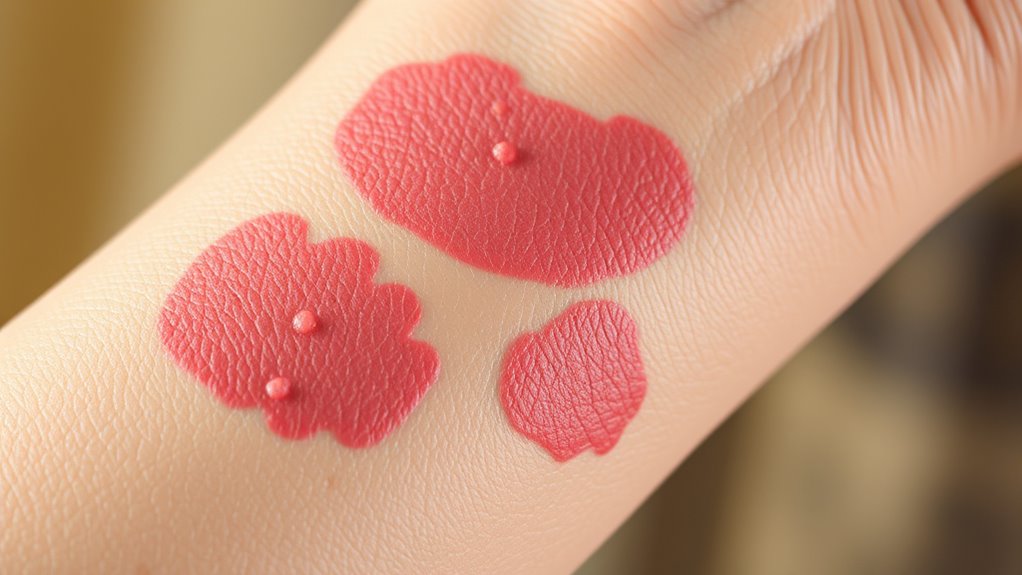
As you age, your skin undergoes changes that can lead to common conditions affecting seniors. You might notice new rashes, spots, or patches that weren’t there before, and understanding what they are can help you manage them effectively. One important aspect to consider is medication side effects, which can sometimes cause skin reactions like rashes or dryness. If you’re taking new medication, pay attention to any skin changes and consult your healthcare provider if you suspect a reaction. It’s crucial to distinguish these from other skin conditions to avoid unnecessary worry or treatments. Additionally, aging skin becomes more vulnerable to damage from sun exposure, making skin cancer awareness critical. Regularly checking your skin for unusual growths, spots, or changes in existing moles can help catch issues early, improving treatment outcomes. Incorporating AI-powered skin monitoring tools can enhance early detection efforts and support regular skin assessments at home.
You may also encounter benign skin conditions that are common among seniors, such as age spots or seborrheic keratoses. Age spots, also known as liver spots, appear as flat, dark patches that develop over years of sun exposure. These are harmless but can be mistaken for skin cancer, so it’s wise to have any new or changing spots evaluated by a healthcare professional. Seborrheic keratoses are waxy, raised growths that often look like they’re stuck on the skin; they’re benign but can be bothersome or unsightly. Managing these involves simple treatments like cryotherapy or topical medications, but always consult your doctor for proper diagnosis and advice.
Other common skin conditions include eczema and psoriasis, which can cause redness, itching, and inflammation. These conditions often require specific treatments to alleviate discomfort and prevent flare-ups. For example, moisturizers and topical steroids can be effective, but you should follow your healthcare provider’s guidance for the best results. Fungal infections, such as athlete’s foot or yeast infections, are also prevalent and can cause rashes or irritation. Keeping the skin clean and dry helps prevent these issues, and antifungal treatments are usually effective when prescribed.
In managing all these conditions, maintaining good skincare habits is essential. Use gentle cleansers, moisturize regularly, and protect your skin from excessive sun exposure with broad-spectrum sunscreens. Always report any new, changing, or suspicious skin changes to your healthcare provider promptly. Staying aware of skin cancer signs and understanding medication side effects can help you stay ahead of potential problems. Regular skin check-ups, especially if you have a history of sun damage or skin cancer, are crucial for early detection and effective management. Your proactive approach can help you enjoy healthier, more comfortable skin as you age.
Frequently Asked Questions
How Can I Prevent Skin Conditions From Developing in Seniors?
To prevent skin conditions in seniors, you should keep their skin moisturized to prevent dermatitis and avoid skin tears. Use gentle cleansers and pat skin dry, avoiding harsh scrubbing. Encourage wearing soft, protective clothing and using caution around rough surfaces. Regularly check for signs of irritation or injury, and guarantee proper hydration and nutrition. These steps help maintain healthy skin and reduce the risk of developing common skin issues.
Are There Specific Skincare Products Recommended for Elderly Skin?
Think of your skin as a delicate garden that needs special care. You should use gentle, hydrating moisturizer types like those with hyaluronic acid or glycerin to keep it supple. Don’t forget to shield it from the sun’s harsh rays with broad-spectrum sunscreen options, ideally with SPF 30 or higher. These products help protect your skin’s barrier and prevent further damage, keeping your skin healthy and resilient.
When Should I See a Doctor About a Skin Rash?
You should see a doctor promptly if your rash worsens, persists beyond a week, or is accompanied by symptoms like fever, pain, or swelling. A thorough rash assessment helps determine if a medical consultation is needed, especially if the rash spreads rapidly or shows signs of infection. Don’t hesitate to seek professional help to make certain of proper treatment and avoid complications. Early medical attention can make a significant difference in recovery.
Can Diet Influence Skin Health in Seniors?
Like a well-tuned engine, your skin thrives on good nutrition. Yes, your diet can profoundly influence skin health in seniors. Nutritional impact includes vitamins, antioxidants, and hydration, which help keep skin resilient. Dietary modifications, such as adding more fruits, vegetables, and healthy fats, can improve skin appearance and healing. So, paying attention to what you eat is a simple way to support your skin’s health and keep it looking its best.
What Are Signs of Serious Skin Infections in Seniors?
If you notice signs of infection like increased redness, swelling, warmth, or pus, you should see a healthcare provider promptly. Watch for skin discoloration, which can indicate underlying issues. Fever or chills alongside skin changes also signal a serious infection. Don’t ignore these symptoms; early treatment can prevent complications. Regularly check your skin, especially if you have cuts or wounds, and seek medical advice if anything unusual appears.
Conclusion
As you age, skin changes become inevitable, and recognizing common conditions helps you stay ahead. From dry patches to rashes, understanding these signs allows you to act promptly and seek proper care. Remember, staying attentive and gentle with your skin can make a big difference—sometimes, a simple moisturizer or a visit to your healthcare provider is all it takes. So, stay vigilant, stay gentle, and your skin will thank you for it.
Fall Picks
fall essentials
As an affiliate, we earn on qualifying purchases.