To protect your high-risk senior from COVID-19 and other viruses, make certain they stay up-to-date on vaccinations, including flu and COVID-19 boosters. Encourage good hygiene like regular handwashing, disinfecting surfaces, and covering coughs. Have them wear masks in public and avoid crowded places. Monitor their health closely and keep them home if they feel unwell. Staying informed about best practices is key—keep exploring ways to boost their safety even further.
Key Takeaways
- Ensure your high-risk senior is fully vaccinated and up-to-date with COVID-19 booster shots.
- Promote consistent hand hygiene and disinfect frequently touched surfaces regularly.
- Encourage mask-wearing in public and avoid crowded, poorly ventilated places.
- Monitor health daily and seek prompt medical attention if symptoms develop.
- Create a safe environment by supporting healthy habits and staying informed about current guidelines.

Are you doing everything you can to stay safe from COVID-19? Protecting your high-risk senior requires a combination of effective vaccination strategies and diligent hygiene practices. These measures are essential in reducing the risk of infection and ensuring your loved one stays healthy. Staying informed about vaccination options helps you make the best choices for their protection. Keep up with recommended vaccines, including the annual flu shot and COVID-19 booster shots, which are indispensable for strengthening their immunity. Consult with healthcare providers to understand which vaccines are appropriate and when to administer them. Assuring your senior is up-to-date on vaccinations forms a strong shield against the virus, especially since their immune response may not be as robust as it once was.
Protect your high-risk senior with updated vaccines and diligent hygiene practices to stay safe from COVID-19.
In addition to vaccination strategies, hygiene practices are your frontline defense. Regular handwashing with soap and water for at least 20 seconds is essential, particularly before meals, after using the bathroom, and after touching shared surfaces. If soap and water aren’t available, hand sanitizer containing at least 60% alcohol is a reliable alternative. Encourage your senior to avoid touching their face, especially their eyes, nose, and mouth, as this prevents the transfer of viruses from contaminated hands. Cleaning and disinfecting frequently touched surfaces like doorknobs, light switches, and phones daily can greatly reduce the presence of germs. Use EPA-approved disinfectants to guarantee effective cleaning.
Mask-wearing is another indispensable hygiene practice. When in public or around people outside their household, your senior should wear a well-fitting mask to minimize exposure. Encourage them to avoid crowded places and maintain physical distance whenever possible. Good respiratory hygiene, such as covering coughs and sneezes with a tissue or elbow, helps prevent the spread of droplets that carry the virus. Educate your loved one about the importance of staying home if they feel unwell or exhibit any symptoms of illness. Also, make sure they’re aware of the importance of regular health check-ins, especially if they have underlying health conditions.
Creating a safe environment includes supporting their health habits and staying vigilant about updates from health authorities. Combining vaccination strategies with strict hygiene practices offers the best chance to keep your high-risk senior safe from COVID-19. It’s about being proactive, consistent, and attentive to their needs, so they can enjoy as much normalcy and comfort as possible during these challenging times.
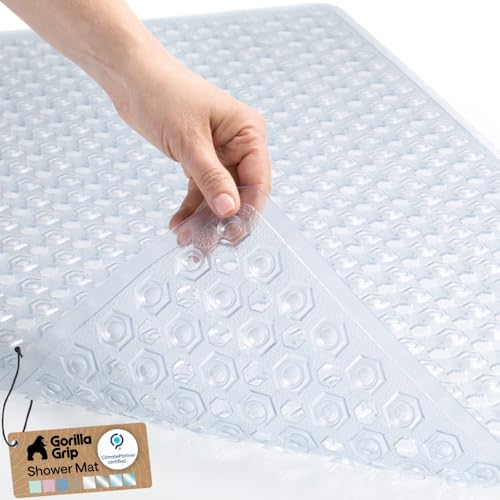
GORILLA GRIP Patented Bath Tub Shower Mat, Machine Washable Bathtub Floor Liner Mats, Suction Cups and Drain Holes to Keep Tubs Clean, Soft on Feet, Bathroom Essentials, 35x16 Inch, Clear
PATENTED DESIGN WITH POWERFUL SUCTION GRIP: a bath mat designed to securely stay in place; this patented bathtub...
As an affiliate, we earn on qualifying purchases.
Frequently Asked Questions
How Can I Tell if My Senior Has COVID-19 Symptoms Early?
You can tell if your senior has COVID-19 symptoms early by closely monitoring their health for signs like fever, cough, shortness of breath, or fatigue. Regular symptom monitoring helps with early detection, so you can act quickly. Watch for sudden changes in behavior or energy levels. If you notice any new or worsening symptoms, contact their healthcare provider immediately to guarantee prompt testing and care.
Are There Any Specific Vaccines Recommended for High-Risk Seniors?
Think of vaccines as your senior’s shield in a battle against viruses. The CDC recommends specific COVID-19 vaccines for high-risk seniors, like mRNA vaccines, which offer strong efficacy. To keep their shield sturdy, booster shots are essential—timing is key to maximize protection. Consult their healthcare provider to tailor the vaccine plan, ensuring your loved one’s defenses stay robust and ready to fend off new threats.
How Often Should High-Risk Seniors Get Tested for COVID-19?
You should schedule regular testing for your high-risk senior based on their risk assessment and local health guidelines. Typically, testing frequency might be every few weeks or if they show symptoms, have been exposed, or there’s a surge in cases nearby. Keep in mind, staying proactive with testing helps catch infections early and reduces complications. Consult their healthcare provider to determine the most appropriate testing schedule tailored to their specific risk level.
What Are Effective Ways to Boost My Senior’s Immune System?
You should focus on boosting your senior’s immune system by encouraging balanced nutrition and proper stress management. Offer nutritional supplements like vitamins C and D, and guarantee they eat plenty of fruits and vegetables. Help them reduce stress through relaxation techniques or gentle activities. These strategies support their immune health, making it easier for their body to fight off viruses. Consistent care and a healthy lifestyle are key to their well-being.
Can COVID-19 Be Transmitted Through Food or Packages?
You might worry about food safety and package contamination, but COVID-19 isn’t typically transmitted this way. The virus mainly spreads through respiratory droplets, not food or surfaces. While it’s wise to clean packages and wash produce, transmission via food or packages is highly unlikely. Practicing good hygiene, like handwashing after handling deliveries, helps protect your senior without overreacting to the minimal risks involved.

YINENN Bath and Shower Safety Mats 40x16 inch, Non Slip with Suction Cups for Bathroom Stall and Tub Floor, Extra Large and Machine Washable, Drain Holes Keep Bathtub Clean, Clear
Extra large bath shower safety mats: No chemical smell, vinyl quality material. Heavy duty and standard dimensions and...
As an affiliate, we earn on qualifying purchases.
Conclusion
Remember, protecting your senior loved one is essential. Did you know that seniors are 11 times more likely to experience severe COVID-19 outcomes? By following safety measures like vaccination, wearing masks, and practicing good hygiene, you can greatly reduce their risk. Stay vigilant, keep their environment clean, and encourage regular health check-ups. Together, you can create a safer space and give your loved one the best chance to stay healthy and protected.

TEESHLY Bath Tub and Shower Mats, Non Slip 40 x 16 Inch Extra Large Bathtub Mat, Machine Washable Bathmat with Drain Holes, Suction Cups for Bathroom Floor, Gray
NON-SLIP LARGE BATH MAT: Our non-slip large bathtub mat offers superior coverage with its 40 x 16-inch size,...
As an affiliate, we earn on qualifying purchases.

Klyyo Clyro Extra Large Shower Mat for Inside Shower 47 x 32 Inch Non Slip Quick Drain TPE Bath Mat with Drain Holes and Suction Cups, Soft Stall Mats for Walk in Showers and Bathroom Floors, Grey
Extra Large Safety Coverage: measuring 47.24 x 31.5 inches/ 120 x 80 cm, this oversized non slip mat...
As an affiliate, we earn on qualifying purchases.