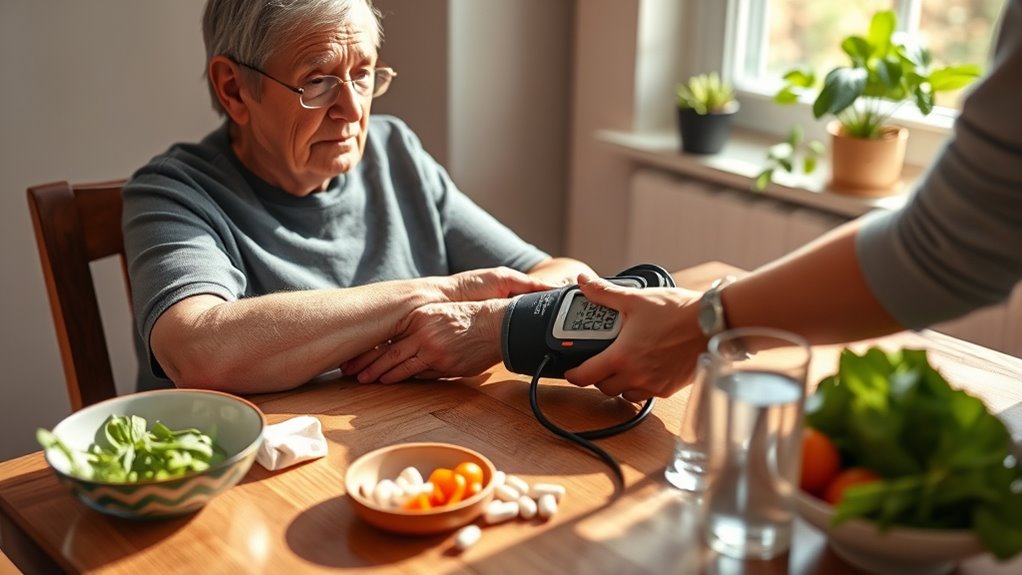

To help your aging parent tame high blood pressure, guarantee they follow their medication plan carefully while using tools like pill organizers and reminders. Encourage a heart-healthy diet, regular gentle exercise, and stress-reducing activities. Regularly monitor their blood pressure at home and schedule consistent doctor checkups. Support lifestyle changes and stay informed about new tips and tools that can make managing hypertension easier—discover more ways to keep their blood pressure in check as you continue supporting them.
Key Takeaways
- Ensure strict medication adherence and regular blood pressure monitoring to maintain optimal levels.
- Promote a heart-healthy diet low in salt, saturated fats, and processed foods.
- Encourage regular physical activity and weight management tailored to your parent’s abilities.
- Incorporate stress reduction techniques like deep breathing and hobbies to prevent blood pressure spikes.
- Schedule consistent healthcare checkups and use smart devices for ongoing health tracking.

As your parents age, managing their hypertension becomes increasingly important to protect their health and quality of life. High blood pressure can lead to serious complications like stroke, heart disease, and kidney problems if left uncontrolled. The key to effective management starts with ensuring they stick to their prescribed medication regimen, known as medication adherence. You can help by organizing their pills, setting reminders, or even using medication management apps. It’s essential that they take their medications exactly as prescribed, without skipping doses or stopping abruptly, which can cause blood pressure fluctuations and reduce treatment effectiveness. Additionally, supporting them in making lifestyle modifications can considerably improve their blood pressure levels. Encourage them to adopt a heart-healthy diet, rich in fruits, vegetables, whole grains, and lean proteins, while reducing salt, saturated fats, and processed foods. Cooking together can be a fun way to reinforce these habits. Regular physical activity is equally important, so help them find enjoyable, manageable exercises like walking, swimming, or gentle stretching routines. Consistency is key, so aim for at least 150 minutes of moderate exercise per week, or as advised by their healthcare provider. Weight management also plays a role; even modest weight loss can help lower blood pressure. If your parent is overweight, supporting them in setting realistic goals and making gradual changes can create lasting benefits. Limiting alcohol intake and quitting smoking are additional lifestyle modifications that can considerably impact blood pressure control. Sometimes, stress can elevate blood pressure temporarily, so helping your parents find relaxation techniques such as deep breathing, meditation, or hobbies they enjoy can be beneficial. Regular checkups with their healthcare provider are essential, so encourage them to attend appointments and monitor their blood pressure at home. Investing in a reliable blood pressure monitor allows them to track their readings and share accurate data with their doctor, enabling timely adjustments to treatment if necessary. Stay attentive to any side effects from medications, and communicate with their healthcare team if concerns arise. Remember, managing hypertension in aging parents isn’t a one-time effort but an ongoing process that combines medication adherence with supportive lifestyle modifications. Your involvement can make a considerable difference in helping them maintain healthy blood pressure levels and reduce the risk of complications. By staying informed, encouraging healthy habits, and fostering open communication with their medical team, you can empower your parents to take control of their health and enjoy a better quality of life as they age. Incorporating modern kitchen technology such as smart devices can also support their health management by making it easier to track and adhere to their health routines.
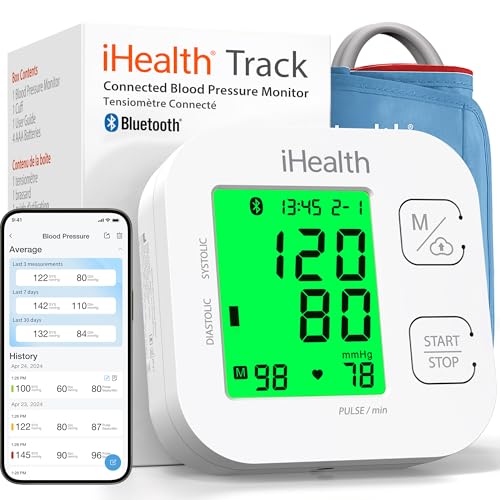
iHealth Track Smart Upper Arm Blood Pressure Monitor with Wide-Range Cuff
- Clinically Accurate: Easy operation, no calibration needed
- Large Multi-Color Display: Oversized numbers with color-coded readings
- Easy Data Management: Track up to 99 readings on device and unlimited via app
As an affiliate, we earn on qualifying purchases.
As an affiliate, we earn on qualifying purchases.
Frequently Asked Questions
What Are the Latest Medications for Hypertension Management?
You should know that the latest hypertension medications include ACE inhibitors, ARBs, calcium channel blockers, and diuretics. While these drugs effectively lower blood pressure, they may cause side effects like dizziness or fatigue. Be cautious about drug interactions, especially if your parent takes other medications. Always consult their doctor to verify the chosen medication fits their health profile and minimizes adverse effects.
How Can I Support My Parent’s Mental Health Alongside Hypertension?
You can support your parent’s mental health by actively listening to their concerns and encouraging open communication. Promote emotional well-being through regular social interactions, engaging activities, and stress-reducing exercises like meditation or walks. Remind them they’re not alone, and consider professional support if needed. Your involvement shows you care, boosting their confidence and helping them manage both their mental health and hypertension effectively.
Are There Alternative Therapies to Traditional Blood Pressure Treatments?
Yes, there are alternative therapies you can explore for managing blood pressure. Herbal remedies like hibiscus tea or garlic supplements may help lower your parent’s readings, but consult a healthcare professional first. Acupuncture therapies can also promote relaxation and improve circulation. Always discuss these options with their doctor to guarantee safety and effectiveness, especially alongside their prescribed treatments. These approaches can complement traditional methods and provide additional support.
How Often Should Blood Pressure Be Monitored at Home?
You should perform home monitoring of blood pressure at least once a day, ideally in the morning and evening. Follow the frequency guidelines recommended by your healthcare provider, which may vary based on your parent’s condition. Consistent measurements help track trends, adjust treatments if needed, and make certain blood pressure stays within safe ranges. Keep a log of readings to share during medical appointments for better management.
What Are Warning Signs of Hypertensive Emergencies?
If your parent shows emergency symptoms like severe headache, chest pain, shortness of breath, sudden weakness, or vision changes, seek immediate medical help. Risk indicators include extremely high blood pressure readings, confusion, or loss of consciousness. These signs suggest a hypertensive emergency, which can cause organ damage. Stay alert, monitor their symptoms closely, and act quickly to get emergency care, preventing serious complications.
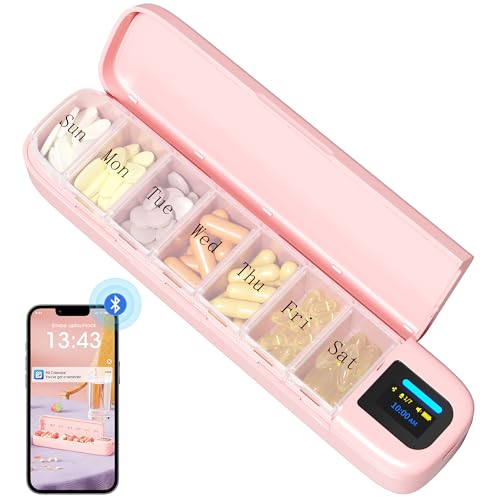
Daviky Automatic Pill Dispenser, Smart Pill Organizer with Alarm
- Never Miss a Pill: Smart reminders ensure medication adherence
- Easy to Use: User-friendly design for simple management
- Hassle-Free Access: Smooth opening and closing for easy access
As an affiliate, we earn on qualifying purchases.
As an affiliate, we earn on qualifying purchases.
Conclusion
Taking control of your aging parent’s blood pressure is like gently steering a fragile boat through calm waters. With consistent care, healthy habits, and patience, you can help them navigate toward smoother, safer days. Remember, each small step—like a steady hand on the wheel—guides them closer to better health. Together, you’re creating a peaceful journey where their well-being remains steady and strong, even as the tides of age roll in.

American Heart Association Low-Salt Cookbook, 4th Edition: A Complete Guide to Reducing Sodium and Fat in Your Diet
As an affiliate, we earn on qualifying purchases.
As an affiliate, we earn on qualifying purchases.

Mindsight 'Original Breathing Buddha' Guided Visual Meditation | 3 Modes to Slow Your Breathing & Calm Your Mind | Stress & Anxiety Relief | Wellness Gift | Adults, Kids, Classrooms | USB Rechargeable
- Purpose: Calm, focus, and promote peaceful sleep
- Usage: 3 breathing modes and night light
- Breathing Modes: 4/7/8, 5/5, 4/4/4/4 patterns
As an affiliate, we earn on qualifying purchases.
As an affiliate, we earn on qualifying purchases.