
TL;DR
Health authorities have reported a surge in Candida auris infections across multiple hospitals in the US. The fungus is known for its resistance to common antifungal treatments, posing a serious health threat. Details about the extent and containment efforts are still emerging.
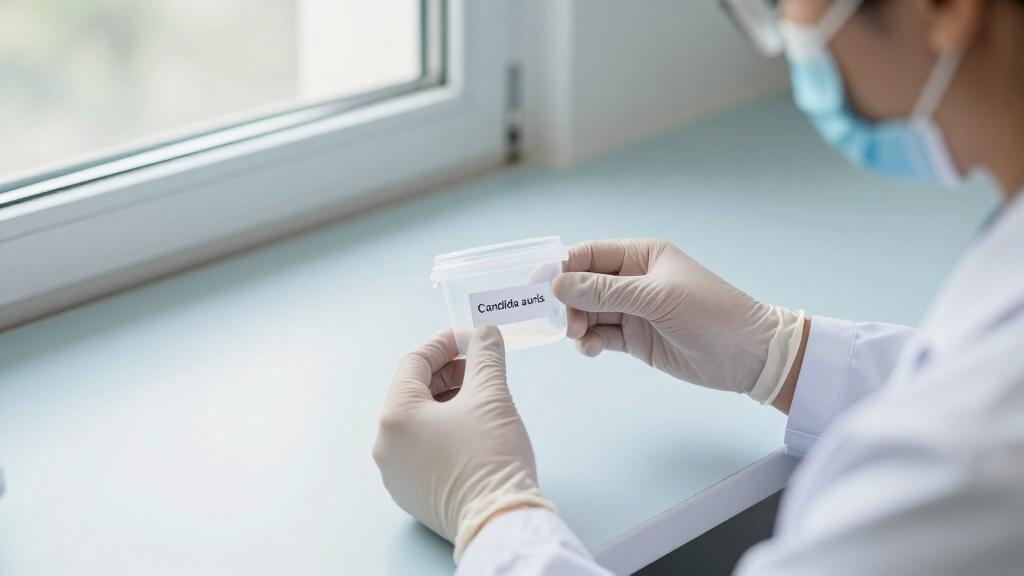
Health officials have confirmed a rise in Candida auris infections across several hospitals in the United States, raising concerns over its drug resistance and potential to cause severe illness. The increase in cases has prompted public health alerts and investigations into containment measures, making it a significant development in infectious disease control.
According to the Centers for Disease Control and Prevention (CDC), there have been over 1,200 confirmed cases of Candida auris in the US this year, a notable increase compared to previous years. The fungus is a multidrug-resistant yeast that can cause bloodstream infections, wound infections, and other serious conditions, especially in hospitalized or immunocompromised patients.
Health authorities state that Candida auris is difficult to detect with standard laboratory tests and often requires specialized diagnostics. The CDC has issued alerts urging hospitals to enhance screening and infection control protocols. The fungus’s ability to persist on surfaces and resist common antifungal medications complicates containment efforts.
Implications of Rising Candida Auris Cases for Public Health
The surge in Candida auris infections underscores a growing threat of multidrug-resistant fungi, which can lead to outbreaks in healthcare settings and increased mortality. Its resistance to standard treatments means that infections are harder to treat, potentially resulting in longer hospital stays and higher healthcare costs. The situation highlights the urgent need for improved detection, infection control, and research into new antifungal therapies.

Femmesil Vaginal Antifungal Soap for Women, 75g
- Soothes Vaginal Discomfort: Relieves itching, irritation, dryness, redness
- Natural Ingredients: Coconut Oil, Shea Butter, Jojoba Oil, Thuja
- Patented Technology: Contains Activated Minerals for candida relief
As an affiliate, we earn on qualifying purchases.
As an affiliate, we earn on qualifying purchases.
Recent Trends and Responses to Candida Auris Spread
Candida auris was first identified in 2009 in Japan and has since been reported in over 30 countries. In the US, cases remained relatively low until recent years, but the number has risen sharply, especially since 2021. The CDC has classified Candida auris as an urgent threat, leading to increased surveillance and infection prevention measures in hospitals nationwide.
Previous outbreaks have been linked to contaminated surfaces and inadequate infection control practices. The fungus’s ability to survive on surfaces for extended periods complicates containment, especially in intensive care units and long-term care facilities.
“The rise in Candida auris cases is concerning because of its resistance to multiple antifungal drugs and its ability to spread in healthcare environments.”
— Dr. Anne Schuchat, CDC
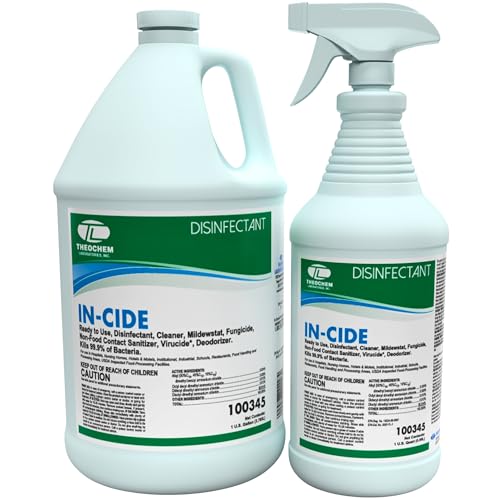
Theochem In-Cide Hospital Grade EPA Registered Disinfectant, 1 Gal + 32 oz
- EPA-Registered Hospital-Grade Disinfectant: Kills 99.9% of viruses and bacteria
- Effective Against MRSA and Influenza: Trusted by hospitals and janitorial services
- Disinfects High-Touch Surfaces: Suitable for kitchens, bathrooms, and more
As an affiliate, we earn on qualifying purchases.
As an affiliate, we earn on qualifying purchases.
Unanswered Questions About Candida Auris Outbreaks
It is still unclear how widespread the current outbreaks will become or whether new strains of Candida auris will emerge with increased resistance. The full extent of the infections and their impact on healthcare systems remains under investigation. Additionally, the effectiveness of current containment strategies is yet to be fully assessed.

Donning Doffing Poster For PPE Training
- Framing Margin: 0.6in white border for framing
- Durable Canvas Material: Resistant to humidity and environmental damage
- Color Variance Notice: Colors may vary slightly due to monitor differences
As an affiliate, we earn on qualifying purchases.
As an affiliate, we earn on qualifying purchases.
Next Steps in Monitoring and Controlling Candida Auris
Public health agencies plan to increase surveillance, enhance laboratory testing capabilities, and distribute updated infection control guidelines to healthcare facilities. Researchers are also working to develop new antifungal medications. Monitoring the evolution of the outbreak over the coming months will be critical to understanding its trajectory and implementing effective responses.

AZO Urinary Tract Infection (UTI) Test Strips, Results in 2 Mins, 3 Count
- Package Quantity: 3 test strips per pack
- Professional-Grade Testing: Same tests used in doctors' offices
- Dual Indicator Testing: Measures Leukocytes and Nitrites
As an affiliate, we earn on qualifying purchases.
As an affiliate, we earn on qualifying purchases.
Key Questions
What is Candida auris?
Candida auris is a multidrug-resistant yeast that can cause serious infections, especially in hospitalized or immunocompromised individuals. It is known for its resistance to common antifungal treatments and ability to persist on surfaces.
Why is Candida auris considered a public health threat?
Because of its resistance to multiple antifungal drugs, difficulty in detection, and potential to cause outbreaks in healthcare settings, Candida auris poses a significant challenge to infection control and patient safety.
How is Candida auris transmitted?
The fungus spreads primarily through contact with contaminated surfaces or equipment in healthcare environments. It can also spread from patient to patient if infection control measures are not strictly followed.
What can hospitals do to prevent Candida auris outbreaks?
Hospitals should implement strict infection control protocols, conduct regular screening of high-risk patients, ensure proper cleaning of surfaces and equipment, and use specialized laboratory testing for detection.
Are there effective treatments for Candida auris infections?
Some antifungal medications remain effective, but resistance is increasing. Treatment options depend on susceptibility testing, and research into new drugs is ongoing. Patients should consult healthcare providers for personalized care.
Source: google-trends