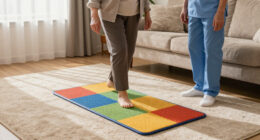
To prevent ulcers and infections, focus on daily foot care by inspecting your feet for cuts or redness, keeping them clean and dry, and moisturizing carefully. Wear well-fitting shoes that support your feet and avoid tight or narrow footwear. Managing your blood sugar helps protect your nerves and circulation, reducing risks. Promptly address any sores or discomfort with your healthcare provider to avoid complications. Following these steps can preserve your mobility and health—discover more tips tailored for seniors with diabetes.
Open a free Amazon Business account
Business pricing, bulk buying and tax-exempt orders.
As an affiliate, we earn on qualifying purchases.
Key Takeaways
- Regularly inspect feet daily for cuts, blisters, redness, or swelling to catch issues early.
- Wear well-fitting, supportive, and breathable footwear to prevent pressure points and skin breakdown.
- Maintain strict blood sugar control to promote healing and reduce the risk of ulcers and infections.
- Practice proper foot hygiene: clean, dry, and moisturize feet, avoiding between toes to prevent fungal infections.
- Seek prompt medical attention for any sores, persistent redness, or pain to prevent complications.

If you have diabetes, taking proper care of your feet is essential to prevent serious complications. High blood sugar levels can damage nerves and blood vessels, increasing the risk of ulcers, infections, and even amputations. One of the most effective ways to protect your feet is by paying close attention to footwear selection. Choose shoes that fit well, provide adequate support, and don’t cause pressure points or blisters. Avoid tight or narrow shoes, as they can restrict circulation and lead to skin breakdown. Opt for comfortable, breathable materials that keep your feet dry and reduce the risk of fungal infections. Remember, your feet might look fine, but nerve damage can mean you don’t feel pain from blisters or sores, so proper footwear becomes even more critical. Additionally, air quality can influence healing and overall foot health, making it important to maintain a clean environment around your feet. Managing your blood sugar levels consistently is another essential aspect of diabetic foot care. Keeping your blood sugar within target ranges helps prevent nerve damage and poor circulation, which are common contributors to foot ulcers. Regularly monitor your blood glucose and follow your healthcare provider’s advice on medication, diet, and exercise. When your blood sugar is well-controlled, your body is better equipped to heal minor cuts and blisters before they turn into serious issues. It’s also important to watch for signs of high blood sugar, like increased thirst or fatigue, and address them promptly to avoid further complications. Daily foot care routines should become a habit. Inspect your feet every day for cuts, blisters, redness, swelling, or any unusual changes. Use a mirror if needed or ask someone to help if you have trouble seeing the bottoms of your feet. Clean your feet gently with warm water and mild soap, and dry them thoroughly, especially between the toes. Moisturize your feet daily to prevent cracking, but avoid putting lotion between the toes, which can trap moisture and promote infections. Trim your toenails straight across and file rough edges to prevent ingrown nails. Wearing clean, well-fitting socks and shoes is essential to minimize the risk of injury and irritation. Finally, don’t ignore any foot problems. If you notice any sores, persistent redness, or pain, see your healthcare provider immediately. Early intervention can prevent minor issues from escalating into serious infections or ulcers. Taking proactive steps—like choosing the right footwear, managing your blood sugar, and practicing diligent foot hygiene—can greatly reduce your risk of foot complications and help you maintain mobility and quality of life with diabetes.
Frequently Asked Questions
How Often Should Seniors With Diabetes Have Their Feet Checked Professionally?
You should schedule routine screenings with your healthcare provider at least once a year, or more often if you have foot problems or nerve issues. During these visits, they’ll check your feet for any signs of ulcers or infections. Maintaining good foot hygiene daily is essential, but professional foot checks help catch issues early. Don’t skip these appointments—they’re key to preventing serious complications.
Are There Specific Footwear Recommendations for Seniors With Diabetic Foot Concerns?
Think of your feet like a well-oiled machine; you need the right shoes to keep it running smoothly. You should wear supportive shoes with a wide toe box and avoid tight, high-heeled footwear. Diabetic orthotics can provide extra cushioning and support, reducing pressure points. Always choose footwear tailored for diabetic foot concerns to prevent ulcers and infections, and consult a specialist for personalized recommendations.
What Are Early Signs of Foot Infections in Diabetics?
You should watch for signs of infection like foot redness, swelling, warmth, and pain. If you notice any open wounds, pus, or a foul smell, these are clear indicators of infection. Changes in skin color or temperature, especially around cuts or blisters, also signal trouble. Don’t ignore these symptoms, and see your healthcare provider promptly to prevent serious complications. Early detection keeps your feet healthier and prevents infections from worsening.
How Can Seniors Prevent Dry, Cracked Skin on Their Feet?
Did you know that dry, cracked skin can lead to infections in 30% of seniors with diabetes? To prevent this, you should prioritize skin hydration by using moisturizing techniques like applying thick creams or ointments after bathing. Keep your feet clean and dry, especially between toes, and avoid hot water, which can strip moisture. Regularly inspecting your feet and moisturizing them helps maintain healthy, supple skin and prevents cracks.
When Should a Senior Seek Immediate Medical Attention for Foot Issues?
You should seek immediate medical attention if you notice emergency symptoms like severe pain, swelling, redness, open wounds that won’t heal, or signs of infection such as pus or foul odor. If you experience numbness, tingling, or loss of sensation, and notice any cuts or blisters that don’t improve, visit urgent care right away. Prompt action helps prevent serious complications, including ulcers or infections that can worsen quickly.
Conclusion
By mastering mindful foot management, you minimize misery and maximize mobility. Regular routines, rigorous inspections, and prompt precautions prevent painful problems from progressing. Prioritize proper hygiene, protective footwear, and prompt palliative actions to preserve your peace and prevent peril. Remember, consistent care creates confidence, curbs complications, and cultivates comfort. Stay vigilant, stay vigilant, stay vigilant—your vigilant vigilance is essential for victorious, virus-free, and vibrant footsteps into the future.
Flea & tick season Picks
flea and tick prevention
As an affiliate, we earn on qualifying purchases.