
TL;DR
Former President Donald Trump made several claims about childhood vaccines after issuing an executive order. Fact-checkers have verified some statements as misleading or false, highlighting the importance of accurate information in public health discussions.
Former President Donald Trump made a series of claims about childhood vaccines during a recent public appearance, following his signing of an executive order related to vaccine policies. Fact-checkers have confirmed that several of his assertions are misleading or false, raising concerns about misinformation in public health debates.

Turn quiet afternoons into listening time
- Thousands of audiobooks, podcasts and originals
- Listen on your phone, tablet or Echo — also offline
- Cancel anytime
During his remarks, Trump claimed that childhood vaccines are unsafe and cause autism. These assertions contradict established scientific consensus, as numerous studies have found no credible link between vaccines and autism. The claims also included allegations that vaccine manufacturers are hiding safety risks, which health experts have dismissed as unfounded.
Fact-checking organizations, including PolitiFact and FactCheck.org, have verified that Trump’s statements are inaccurate. They clarified that vaccines undergo rigorous testing and monitoring, and the scientific community overwhelmingly supports their safety and efficacy. The claims about vaccines causing autism are based on discredited studies and have been repeatedly debunked.
Trump also suggested that the government is pushing vaccines that are not properly tested, a claim that health officials say is false. The CDC and FDA have confirmed that COVID-19 and childhood vaccines meet all safety standards before approval and distribution. The former president’s remarks have been criticized by public health officials for spreading misinformation that could undermine vaccination efforts.
Impact of Misinformation on Public Health Efforts
The spread of false claims about vaccine safety by a former president holds significant implications for public health. Misinformation can fuel vaccine hesitancy, leading to lower vaccination rates and increased vulnerability to preventable diseases. Experts emphasize that accurate information is vital for maintaining public trust and ensuring high immunization coverage, especially amid ongoing efforts to combat preventable illnesses.
Products Worth Considering

Therabody SmartGoggles 2nd Generation Heated Eye and Temple Massager
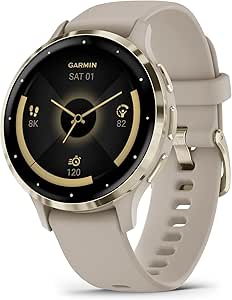
Garmin Venu 3S GPS Fitness Smartwatch, 41 mm, French Gray

Philips Sonicare DiamondClean 9300 Electric Toothbrush, 2 Brush Heads, Black
As an affiliate, we earn on qualifying purchases.
Background on Vaccine Misinformation and Policy Statements
Trump has previously voiced skepticism about vaccines, though he also publicly supported vaccination efforts during his presidency. His recent executive order aimed to promote vaccine access and transparency but has been accompanied by statements that critics say undermine public confidence. The current claims come amid a broader political debate over vaccine mandates and safety, with some figures questioning established scientific consensus.
Fact-checking organizations have repeatedly addressed false claims about vaccines, emphasizing the extensive safety data and regulatory oversight involved. The controversy underscores ongoing challenges in combating misinformation, especially when statements are made by influential figures.
“There is no scientific evidence linking vaccines to autism or other serious health issues. Misinformation hampers our efforts to protect public health.”
— Dr. Anthony Fauci
Unverified Aspects of Trump’s Vaccine Claims
While fact-checkers have debunked several of Trump’s assertions, it remains unclear whether he will further clarify or retract these claims publicly. The full scope of his statements and the potential influence on public opinion are still unfolding, and official responses from the Biden administration or health agencies have not addressed all specific allegations.
Next Steps in Fact-Checking and Public Response
Health officials and fact-checking organizations will continue to monitor and respond to any further claims made by Trump or other influential figures. Public health agencies are expected to reinforce messaging about vaccine safety and combat misinformation through outreach campaigns. Political analysts will also observe how these statements impact vaccine uptake and public trust in health policies ahead of upcoming elections.
Key Questions
Are childhood vaccines safe?
Yes, extensive scientific research confirms that childhood vaccines are safe and effective. They undergo rigorous testing and continuous monitoring by health authorities like the CDC and FDA.
Did Trump say vaccines cause autism?
Trump has made claims suggesting vaccines cause autism, but these are false. The scientific consensus, supported by numerous studies, states there is no credible link between vaccines and autism.
Why do claims about vaccine safety matter now?
Misinformation can lead to vaccine hesitancy, reducing immunization rates and increasing the risk of preventable disease outbreaks. Accurate information is essential for public health safety.
Will Trump clarify his statements?
It is not yet clear whether Trump will issue clarifications or corrections regarding his recent claims. The situation is still developing as public and official responses unfold.
How are public health officials responding?
Officials continue to emphasize the safety and importance of vaccines, counter misinformation, and promote trusted sources of health information to the public.
Source: rss