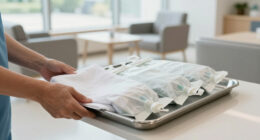
Effective bed sore prevention starts with selecting the right support surfaces because they help evenly distribute pressure and manage moisture, which repositioning alone can’t fully address. Modern surfaces adjust to your body, reducing pressure points and preventing tissue damage. They also keep skin dry, lowering infection risks. Combining good support surfaces with repositioning offers better protection and comfort. If you want to learn how advanced materials and strategies make a difference, keep exploring this important topic.
Key Takeaways
- Support surfaces evenly distribute pressure, reducing localized tissue ischemia more effectively than repositioning alone.
- Advanced materials in better surfaces adapt to body shape, providing continuous pressure relief.
- Moisture-wicking support surfaces prevent skin maceration, a critical factor in sore development.
- Combining high-quality surfaces with repositioning offers a proactive approach to sore prevention.
- Proper support surfaces actively promote skin health, reducing the need for frequent repositioning.

Have you ever wondered how hospitals and care facilities prevent bed sores in patients who are immobile? It’s a critical question because these sores, also known as pressure ulcers, can develop quickly if proper preventive measures aren’t in place. While repositioning patients regularly is a common strategy, it’s not enough on its own. The foundation for effective prevention lies in the surfaces used to support patients, which play an essential role in pressure redistribution and moisture management.
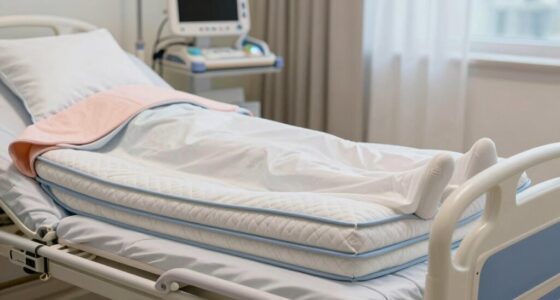
Effective prevention of bed sores relies on support surfaces that promote pressure redistribution and moisture control.
When you consider pressure redistribution, you’re looking at how well a surface can evenly spread out the force exerted by a patient’s body. Traditional mattresses or cushions might not adequately distribute pressure, especially in areas like the sacrum or heels, which are prone to sores. Modern pressure redistribution surfaces are designed to reduce localized pressure points by adjusting to the patient’s body shape, helping prevent constant pressure in the same places. These surfaces often incorporate advanced foam, gel, or air-filled components that mold to the body, providing consistent support and reducing the risk of tissue ischemia that leads to bed sores.
Moisture management is equally important because excess moisture can weaken the skin and make it more vulnerable to breakdown. When you’re caring for someone who’s immobile, sweat, urine, or wound exudate can accumulate, creating a damp environment that encourages skin breakdown. High-quality support surfaces are designed with moisture-wicking materials or incorporate systems to keep the skin dry and healthy. This not only prevents maceration but also promotes skin integrity, which is essential in bed sore prevention. Proper moisture control is a key aspect of maintaining skin health and preventing breakdown.
Additionally, pressure redistribution techniques are most effective when combined with appropriate support surfaces, emphasizing a comprehensive approach to prevention. While repositioning remains a key practice, it’s only part of the solution. Investing in better surfaces that prioritize pressure redistribution and moisture management enhances your ability to prevent bed sores more effectively. These surfaces relieve pressure points continuously, reducing the frequency and severity of pressure buildup, while also maintaining a dry environment. Together, these features work synergistically to protect the skin and underlying tissues, making bed sore development far less likely. So, if you’re serious about prevention, look beyond repositioning alone and choose support surfaces that actively support skin health through intelligent design. It’s a proactive step that can greatly improve patient outcomes and comfort.
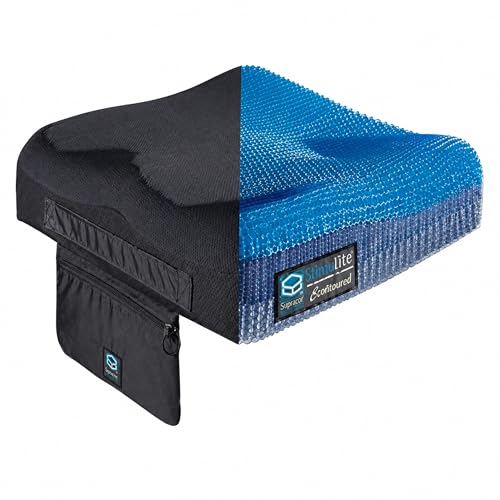
Stimulite Honeycomb Contoured Wheelchair Cushion – Breathable Pressure Redistribution Seat Support – 20" x 18" x 4" – REF: CD2018
- Pressure Redistribution Design: Engineered honeycomb structure for even weight distribution
- Contoured Support: Shaped surface for stable positioning and alignment
- Versatile Seating: Compatible with manual, powered wheelchairs, and other seats
As an affiliate, we earn on qualifying purchases.
As an affiliate, we earn on qualifying purchases.
Frequently Asked Questions
How Do Different Surface Types Compare in Preventing Bed Sores?
Different surface types vary in preventing bed sores by offering better pressure redistribution and moisture control. Foam overlays and specialized mattresses evenly distribute weight, reducing pressure points. Alternating pressure mattresses help prevent sores through continuous pressure redistribution. High-tech surfaces with moisture-wicking fabrics keep the skin dry, lowering infection risk. Choosing the right surface enhances prevention efforts, making it easier to avoid bed sores and maintain skin integrity, especially for those with limited mobility.
Are There Specific Surfaces for Different Patient Mobility Levels?
Yes, there are specific surfaces tailored to different patient mobility levels. For highly mobile patients, surfaces that provide ideal support and pressure redistribution enhance comfort and prevent sores. For less mobile or immobile patients, customizable surfaces with adjustable pressure settings and enhanced cushioning ensure patient comfort and effective pressure relief. By choosing the right surface, you support better pressure distribution and promote healing, reducing bed sore risks more effectively than repositioning alone.
What Is the Cost Difference Between Various Bed Sore Prevention Surfaces?
Think of bed sore prevention surfaces like a spectrum of tools; some are affordable, while others are like investing in a luxury car. The cost analysis varies considerably, with high-tech overlays and air-fluidized beds costing much more than foam or gel overlays. Surface durability also impacts costs—more durable surfaces may cost more upfront but save money long-term by needing fewer replacements. You must balance initial expense with longevity and patient safety.
How Often Should Surfaces Be Replaced or Maintained?
You should replace or maintain surfaces regularly, based on manufacturer guidelines and the condition of the surface. Regular surface cleaning is essential to prevent bacteria buildup, ensuring patient comfort and skin health. Check for signs of wear or damage daily, and follow a maintenance schedule to keep surfaces in ideal condition. Proper upkeep reduces the risk of bed sores by providing consistent pressure redistribution and a clean, comfortable environment.
Do Specialized Surfaces Require Additional Staff Training?
Yes, specialized surfaces do require additional staff training. You need to guarantee your team understands proper surface maintenance and operation to maximize their effectiveness. Staff training helps prevent misuse or damage, which can compromise patient comfort and skin integrity. By investing in ongoing education, you empower your staff to maintain these surfaces properly, ultimately reducing the risk of bed sores and improving overall patient care.

Drive Medical Med-Aire Low Air Loss Mattress Replacement System
- Pressure Relief Support: Minimizes air loss with alternating pressure
- Individual Air Cell Design: 20 replaceable 8-inch bladders for stability
- Built-in Pillow Feature: Enhanced head stability and comfort
As an affiliate, we earn on qualifying purchases.
As an affiliate, we earn on qualifying purchases.
Conclusion
To truly prevent bed sores, focusing on better surfaces is essential, not just repositioning. While regular movement helps, the right support surfaces can actively reduce pressure and promote circulation, addressing the root cause. Some experts believe that advanced support surfaces might even outperform frequent repositioning alone, making prevention more effective. Embracing innovative materials and designs isn’t just a trend — it’s a necessary step toward more holistic, evidence-based care that protects your skin and preserves your comfort.
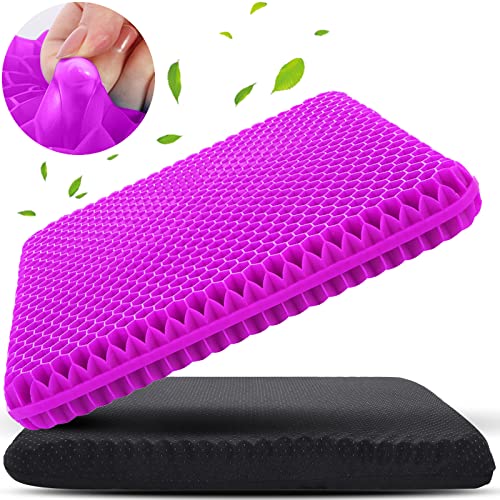
Gel Seat Cushion for Long Sitting, Gel Chair Cushion (Large & Thick)
- Large and Thick Design: 18.51" x 17.33" x 1.51"
- Breathable and Soft Material: Air columns for ventilation
- Enhanced Comfort and Support: Good elasticity for weight distribution
As an affiliate, we earn on qualifying purchases.
As an affiliate, we earn on qualifying purchases.
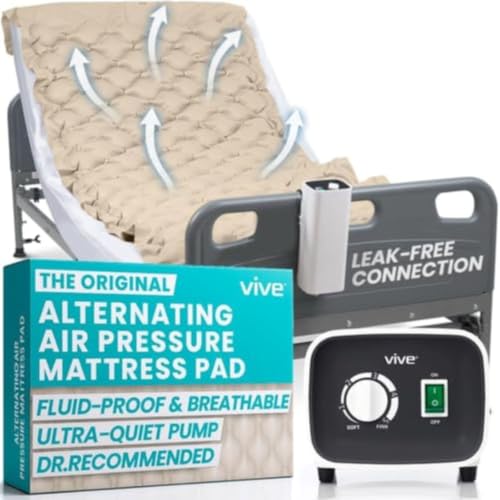
Vive Alternating Air Pressure Mattress Pad – The Original Bed Sore Solution
- Doctor-Recommended Relief: Eases bed sores and ulcers
- Advanced Wave Therapy: 130 air cells for even pressure
- Durable, Leak-Proof Cells: Heat-sealed for longevity
As an affiliate, we earn on qualifying purchases.
As an affiliate, we earn on qualifying purchases.