
Pressure-relief surfaces are essential during long bed rest because they evenly distribute pressure and reduce the risk of pressure ulcers. They mold to your body and use advanced systems like foam or air to protect vulnerable areas. Durability and comfort are key to maintaining support over time, preventing tissue damage and skin breakdown. Choosing the right surface can improve outcomes and comfort. If you explore further, you’ll discover more about how these surfaces truly make a difference.

Turn quiet afternoons into listening time
- Thousands of audiobooks, podcasts and originals
- Listen on your phone, tablet or Echo — also offline
- Cancel anytime
Key Takeaways
- Pressure-relief surfaces reduce the risk of pressure ulcers by evenly distributing pressure on vulnerable skin areas.
- They promote skin integrity and comfort during extended bed rest, supporting overall patient health.
- Durable pressure-relief surfaces maintain effective support over time, decreasing the need for frequent replacements.
- Properly selected surfaces adapt to patient mobility levels, optimizing pressure distribution and skin protection.
- Combining comfort and durability ensures consistent support, enhancing safety and recovery outcomes for long-term bedridden patients.
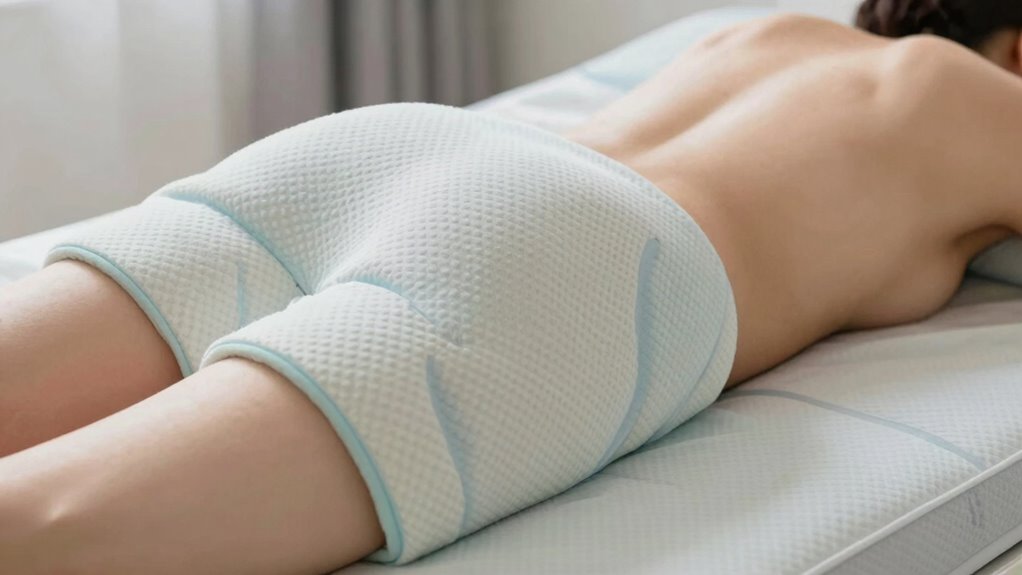
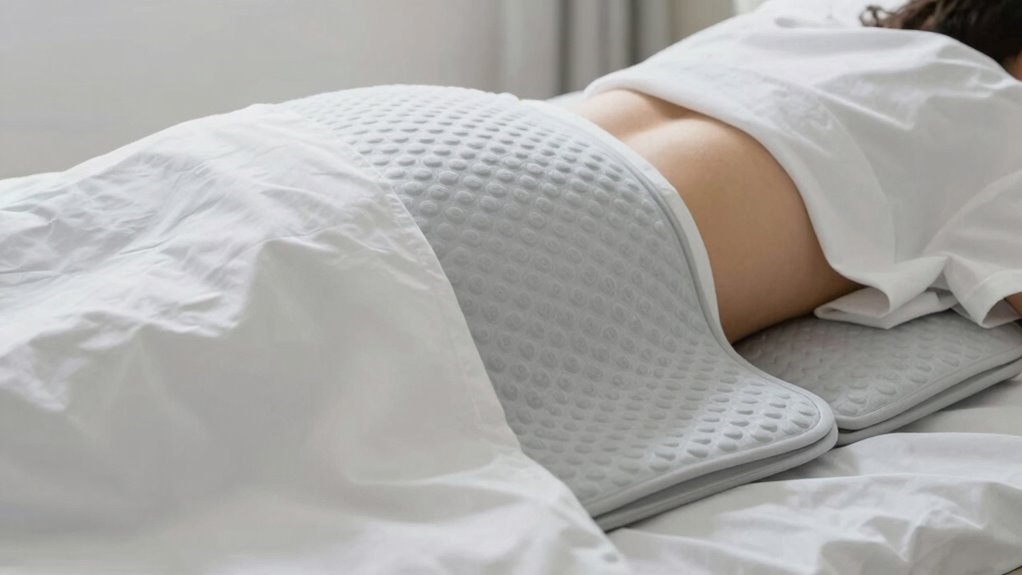
Long bed rest can markedly increase the risk of pressure ulcers, making the choice of appropriate pressure-relief surfaces essential. When you’re confined to a bed for extended periods, your patient mobility decreases considerably, which means the pressure exerted on certain areas of the body becomes constant and uneven. Without proper support, tissues can become compressed, restricting blood flow and leading to tissue damage. That’s where pressure-relief surfaces come into play—they’re designed to distribute pressure more evenly, reducing the risk of ulcers and promoting healthier skin integrity.
Extended bed rest increases pressure ulcer risk; proper pressure-relief surfaces are essential for skin health and tissue protection.
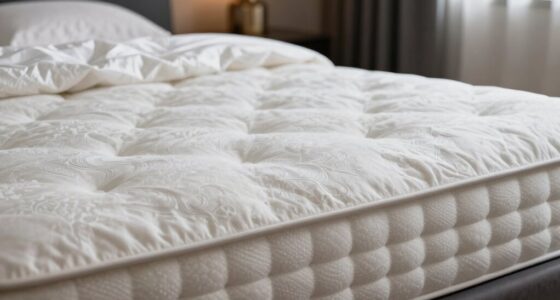
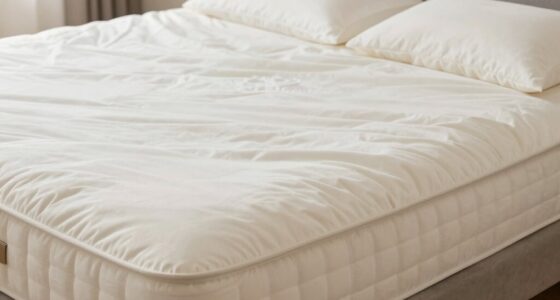
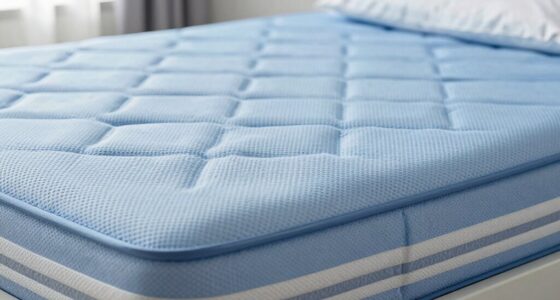
You need to understand that not all pressure-relief surfaces are created equal. Some are made with softer materials that mold to the body, while others use advanced foam or air systems that dynamically redistribute pressure. The right surface takes into account your patient’s specific needs, including their mobility level and skin condition. For example, if the patient has limited mobility, a surface that offers superior pressure redistribution is vital. This helps minimize the risks associated with prolonged pressure on vulnerable areas such as the sacrum, heels, and hips.
Surface durability also plays a vital role in your decision. You want a pressure-relief surface that can withstand daily use without degrading quickly. A durable surface maintains its supportive properties over time, ensuring consistent pressure redistribution and reducing the need for frequent replacements. Durability is especially important in long-term care settings, where constant use can cause wear and tear. A surface that deteriorates easily may lose its effectiveness, putting your patient at greater risk for pressure ulcers, despite your best efforts.
In choosing the right pressure-relief surface, you need to strike a balance between patient mobility and surface durability. If you select a very soft, plush surface, it might feel comfortable initially but could lack the necessary durability for long-term use. Conversely, a highly durable surface might be less comfortable, but it provides consistent support over time. Ideally, you want a surface that offers both comfort and longevity, ensuring your patient remains protected during their extended bed rest.
Another important consideration is understanding pressure distribution and how different surfaces impact it, which can significantly affect patient outcomes. Ultimately, the true value of pressure-relief surfaces lies in their ability to adapt to your patient’s needs, maintaining skin health and preventing complications. By considering their mobility and ensuring the surface’s durability, you can markedly improve outcomes and provide a safer, more comfortable environment during long-term bed rest.
pressure-relief mattress for long-term care
As an affiliate, we earn on qualifying purchases.
As an affiliate, we earn on qualifying purchases.
Frequently Asked Questions
How Do Pressure-Relief Surfaces Differ From Standard Mattresses?
Pressure-relief surfaces differ from standard mattresses by offering targeted support that reduces pressure points, helping prevent sores during long bed rest. They’re made with durable materials designed for longevity and ease of cleaning. You can often customize these surfaces for individual needs, ensuring best comfort and pressure redistribution. This customization, combined with their durable construction, makes pressure-relief surfaces a better choice for long-term use compared to standard mattresses.
Are Pressure-Relief Surfaces Suitable for All Long-Term Bed Rest Patients?
Pressure-relief surfaces aren’t suitable for all long-term bed rest patients, especially those with limited mobility or specific medical needs. While they help prevent pressure ulcers, they require proper staff training to guarantee correct use and patient safety. Imagine a patient struggling with mobility, where the surface’s benefits are wasted without staff understanding how to optimize its function. Proper assessment and staff education are essential for these surfaces to be truly effective.
What Maintenance Is Required for Pressure-Relief Surfaces?
You need to follow specific cleaning protocols, such as regular disinfecting and inspecting for dirt or damage, to maintain pressure-relief surfaces. Keep the surfaces clean and dry, and replace them according to the manufacturer’s recommended schedule, usually every few years or if signs of wear appear. Regular maintenance ensures the surfaces function properly, providing ideal pressure relief and comfort for long-term bed rest patients.
How Do Pressure-Relief Surfaces Impact Patient Comfort?
Pressure-relief surfaces dramatically boost patient comfort, transforming long bed rest from misery into a surprisingly bearable experience. You’ll notice reduced patient anxiety because they feel better supported and less vulnerable. With surface customization, each patient’s unique needs are met, creating a tailored comfort zone. This personalized approach guarantees patients stay relaxed, confident, and less distressed, making their recovery smoother and more positive overall.
What Are the Costs Associated With Implementing Pressure-Relief Surfaces?
Implementing pressure-relief surfaces involves costs like purchasing specialized equipment and staff training. You might find a cost comparison shows these upfront expenses are higher than standard mattresses, but they can reduce long-term healthcare costs by preventing pressure ulcers. Insurance coverage varies; some plans may cover part of the costs, easing your financial burden. Overall, investing in pressure-relief surfaces can be cost-effective by improving patient outcomes and lowering treatment expenses.
pressure ulcer prevention surface
As an affiliate, we earn on qualifying purchases.
As an affiliate, we earn on qualifying purchases.
Conclusion
Understanding the real value of pressure-relief surfaces in long bed rest is essential for preventing pressure ulcers and improving patient outcomes. Research shows these surfaces can reduce skin pressure by up to 60%, considerably lowering ulcer risk. By prioritizing their use, you not only enhance comfort but also save on costly treatments and hospital stays. Embracing effective pressure-management strategies truly makes a difference—your proactive approach can protect vulnerable patients and improve their quality of life.
air pressure redistribution mattress
As an affiliate, we earn on qualifying purchases.
As an affiliate, we earn on qualifying purchases.
As an affiliate, we earn on qualifying purchases.
Cold & flu season Picks
humidifiers
As an affiliate, we earn on qualifying purchases.