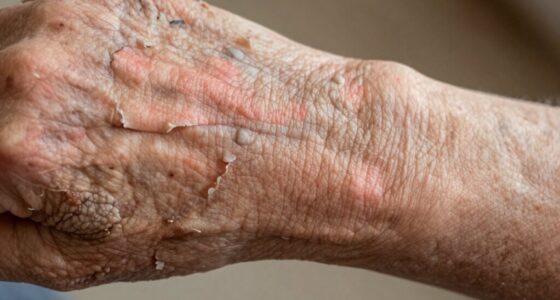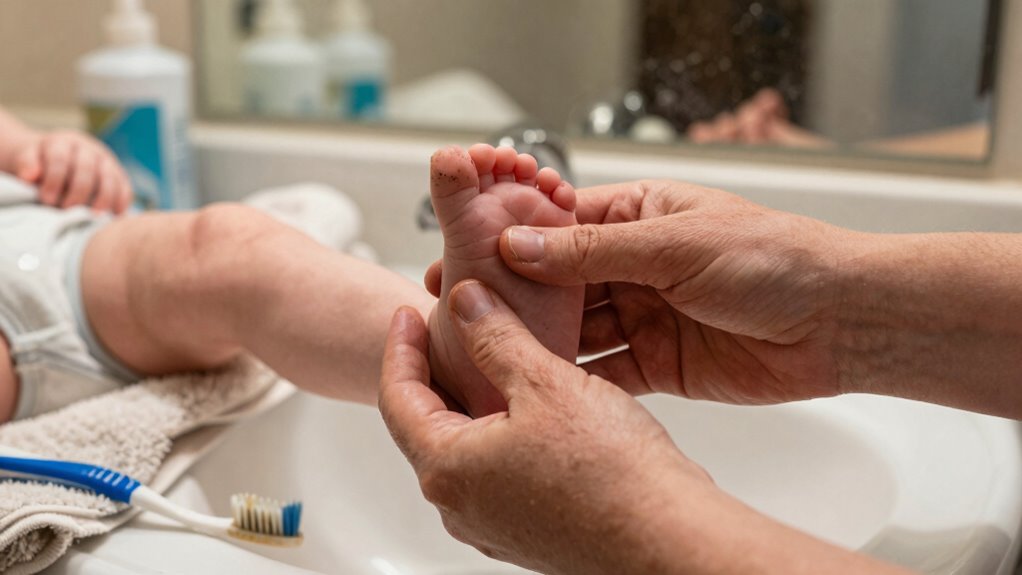

As a caregiver, you should never ignore red flags like persistent body odor, unclean clothing or bedding, or visible skin issues such as rashes or wounds. Neglecting oral hygiene signs like bad breath or swollen gums can lead to infections that spread beyond the mouth. Also, watch for signs of hygiene neglect like dirt on skin or difficulty with daily routines. Ignoring these signs can put health at risk; stay alert to learn ways to protect your loved ones better.

Turn quiet afternoons into listening time
- Thousands of audiobooks, podcasts and originals
- Listen on your phone, tablet or Echo — also offline
- Cancel anytime
Key Takeaways
- Persistent body odor, unclean bedding, or skin dirt signal poor hygiene needing immediate attention.
- Visible skin infections, rashes, or open wounds require prompt professional evaluation.
- Bad breath, swollen gums, or plaque indicate neglect of oral hygiene that can cause systemic infections.
- Dirty, damp clothing or linens increase risk of bacterial or fungal infections.
- Neglecting routine hygiene practices may suggest underlying issues like depression or mobility problems.
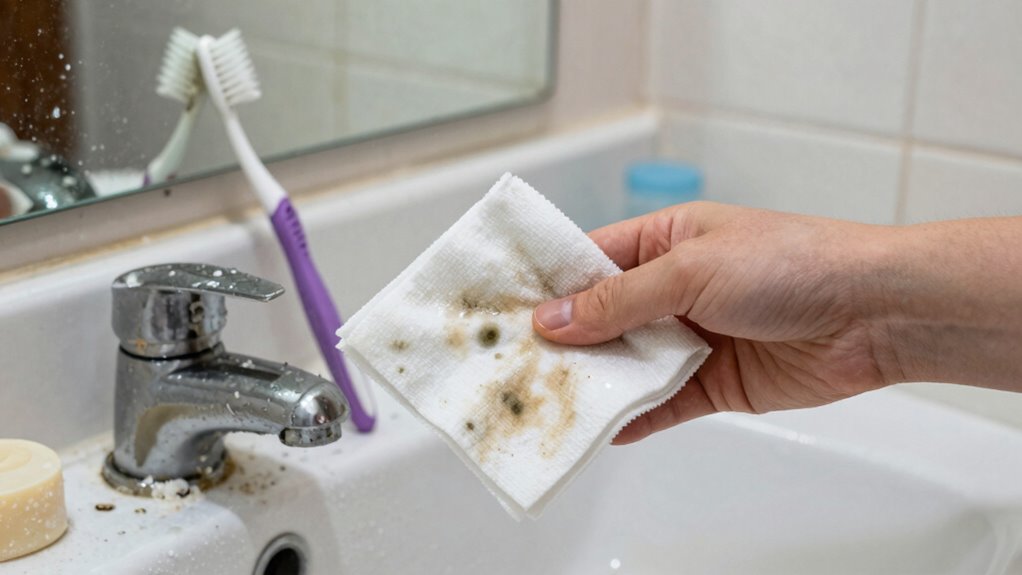
Good hygiene is crucial for caregivers to guarantee the health and safety of those they care for, but certain red flags can indicate underlying issues. Recognizing these signs early can prevent the spread of infections and improve overall well-being. One of the most critical aspects to monitor is personal hygiene habits. If you notice a care recipient neglecting basic practices like handwashing, brushing teeth, or bathing regularly, it could signal a deeper problem—perhaps depression, mobility issues, or cognitive decline. Ignoring these signs can lead to skin infections, dental problems, or more serious illnesses. As a caregiver, it’s essential to gently encourage and assist with daily hygiene routines and address any barriers they might face.
Neglecting basic hygiene can signal deeper health issues; early intervention helps prevent infections and promotes well-being.
Infection prevention strategies are central to maintaining a safe environment, but red flags often reveal gaps that need immediate attention. For example, persistent body odor, unclean bedding, or visible dirt on the skin are clear indicators that personal hygiene may be compromised. These issues increase the risk of bacterial or fungal infections, which can quickly escalate if left unaddressed. Additionally, look out for signs of skin breakdown, rashes, or open wounds, as these can become entry points for dangerous pathogens. Regularly inspecting the skin, ensuring proper wound care, and maintaining a clean environment are fundamental infection prevention strategies. When you see these warning signs, it’s essential to act promptly—consult healthcare professionals if necessary—and reinforce hygiene routines to prevent further complications. Recognizing the importance of hygiene habits is essential for maintaining overall health. Incorporating infection control practices can significantly reduce the spread of germs and safeguard health.
Another red flag to watch for is oral hygiene neglect. Bad breath, swollen gums, or visible plaque can point to poor dental care, which can lead to infections that spread beyond the mouth. Poor oral hygiene is often overlooked but plays a significant role in overall health, especially for the elderly or those with limited mobility. Maintaining a consistent dental care routine, including brushing and flossing, is part of good hygiene practices. If you observe reluctance or discomfort, consider consulting a dental professional to address underlying issues such as pain or dental decay.
Lastly, pay attention to clothing and bedding. Dirty or damp clothes and linens can harbor bacteria and fungi, contributing to infections. Changing clothing and bedding regularly is a simple yet crucial infection prevention strategy. If you notice persistent stains, odors, or skin irritations, it’s a red flag that hygiene practices may need reinforcement or adaptation. Addressing these issues promptly not only protects physical health but also boosts dignity and comfort for those you care for. Recognizing and responding to these red flags ensures that hygiene remains a priority, ultimately safeguarding everyone’s health and well-being.
Frequently Asked Questions
How Often Should Caregivers Perform Daily Hygiene Checks?
You should perform daily hygiene checks at least once or twice a day. During these checks, focus on personal hygiene, ensuring the individual’s skin, hair, and oral health are clean and comfortable. Also, assess environmental cleanliness, making sure their living space is tidy and sanitary. Regular checks help prevent infections and promote overall well-being, so stay attentive and proactive in maintaining both personal and environmental hygiene.
What Supplies Are Essential for Maintaining Hygiene Standards?
You should always have essential supplies like soap, hand sanitizer, disinfectant wipes, and clean towels on hand. Studies show that proper sanitation practices can reduce infection rates by up to 30%. Focus on maintaining personal hygiene by regularly replenishing these items, ensuring hands are thoroughly washed, and surfaces are disinfected. These supplies help uphold hygiene standards, preventing illness and promoting a safe, clean environment for everyone in your care.
How Can Caregivers Encourage Children to Practice Good Hygiene?
You can encourage children to practice good hygiene by making dental care and handwashing techniques fun and routine. Teach them proper handwashing steps, like scrubbing for at least 20 seconds, and praise their efforts. For dental care, create a brushing schedule and use colorful tools or songs to make it engaging. Lead by example, showing good hygiene habits yourself to inspire them to follow suit.
What Are Early Signs of Hygiene-Related Infections to Watch For?
You should watch for early signs of hygiene-related infections like redness, swelling, foul odor, or pus around the skin. Unusual rashes, persistent itching, or diarrhea can also signal infection. Prioritizing personal hygiene helps with infection prevention, so encourage children to wash hands regularly, keep skin clean, and change clothes daily. Recognizing these signs early allows you to seek prompt medical care, preventing infections from worsening.
When Should a Caregiver Seek Medical Advice for Hygiene Concerns?
When personal hygiene issues become a storm brewing beneath the surface, it’s time to seek medical advice. If you notice persistent bad odor, skin redness, or unusual discharge, these are signals that infection prevention measures might be falling short. Don’t wait for the storm to worsen—acting promptly helps safeguard health. Trust your instincts, and consult a healthcare professional to make certain hygiene concerns don’t turn into bigger health hazards.
Conclusion
Ignoring hygiene red flags isn’t just a small mistake—it’s like opening the door to a nightmare of germs, bacteria, and health disasters! If you overlook even one warning sign, you might be inviting a swarm of illnesses into your loved one’s life. Stay vigilant, act immediately, and never underestimate the power of good hygiene. Remember, a tiny lapse can turn into a health catastrophe faster than you can blink—so always stay alert and prioritize cleanliness!
Fall Picks
fall essentials
As an affiliate, we earn on qualifying purchases.