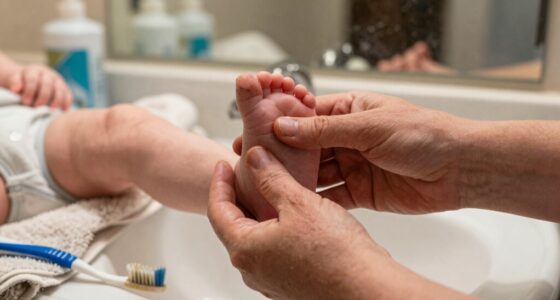
The most common hygiene mistake family caregivers make is neglecting consistent personal and household cleanliness. Skipping regular bathing, not changing clothes, or letting surfaces and linens go unwashed can lead to infections, skin issues, and a decline in overall health. Poor hygiene habits can unknowingly spread germs and bacteria, putting loved ones at risk. Staying vigilant and maintaining regular routines is essential. Keep going to discover simple strategies to improve hygiene practices and protect those you care for.
Key Takeaways
- Neglecting regular personal hygiene routines like bathing, teeth brushing, and changing clothes.
- Failing to clean and disinfect household surfaces and linens regularly.
- Overlooking the importance of handwashing after caregiving tasks or contact with germs.
- Ignoring signs of skin irritation or infections due to poor hygiene practices.
- Not establishing consistent hygiene routines, leading to increased risk of illness.
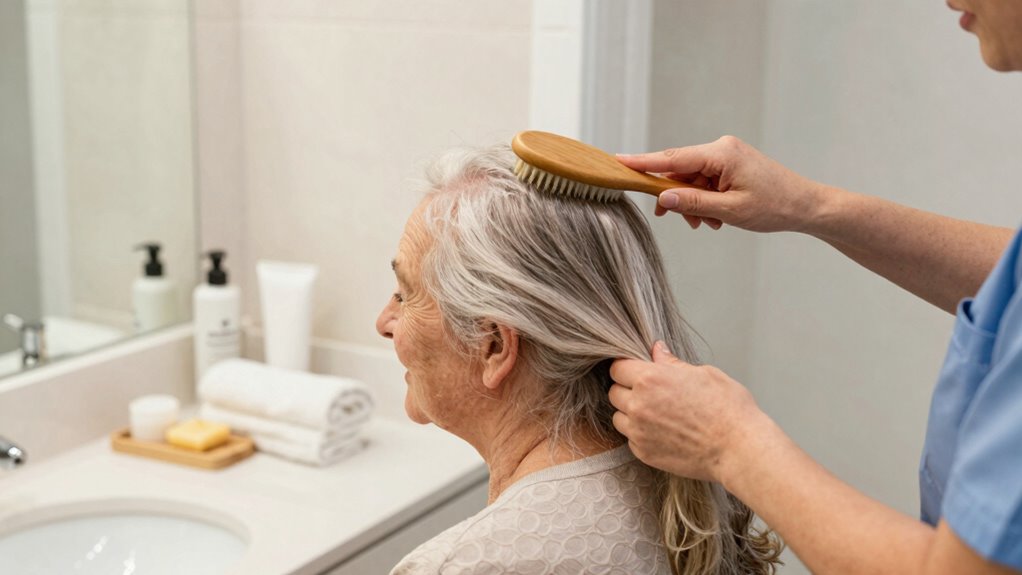
Caring for a loved one often involves managing their hygiene needs, but even well-meaning family caregivers can make mistakes that impact health and comfort. One of the most common errors is overlooking the importance of consistent personal hygiene. While it might seem simple—helping your loved one bathe, brush their teeth, or change clothes—neglecting these routines can lead to infections, skin irritations, or bad odors. You might assume they’re clean enough if they appear tidy, but dirt, sweat, and bacteria can hide in places you don’t see. Regular bathing and grooming aren’t just about appearance; they’re crucial for maintaining skin integrity and preventing issues like rashes or infections. It’s easy to forget, especially when life gets busy, but establishing a routine ensures your loved one stays comfortable and healthy. Establishing routines helps make personal hygiene a consistent part of daily care.
Another mistake caregivers often make involves household cleanliness. Maintaining a clean environment is just as essential as personal hygiene because it reduces the spread of germs and prevents illness. Caregivers might focus on their loved one’s hygiene but forget to keep the surrounding space sanitized. Surfaces, bedding, and towels can harbor bacteria and parasites if not cleaned regularly. For example, neglecting to wash bed linens weekly or not disinfecting bathroom fixtures can create a breeding ground for infections. This oversight can be especially risky if your loved one has a weakened immune system or mobility issues, making them more vulnerable to bacteria and viruses lurking in the house. You might think a quick wipe-down is enough, but thorough cleaning routines are necessary to remove unseen germs and sustain household cleanliness. Additionally, understanding household hygiene practices can help caregivers implement more effective cleaning routines to protect their loved ones.
Many caregivers also underestimate how closely personal hygiene and household cleanliness are connected. When personal hygiene routines aren’t properly followed, it can quickly affect the tidiness of the home environment, and vice versa. For instance, soiled clothing or unwashed bedding can contribute to dirt and bacteria spreading around the house. Conversely, a cluttered or unclean home can make it harder for your loved one to keep themselves clean, creating a cycle of poor hygiene that impacts their health and comfort. Staying vigilant about both personal hygiene and household cleanliness helps prevent common infections and keeps your loved one safe. Recognizing the interdependence of hygiene habits ensures a more comprehensive approach to caregiving. It’s easy to focus on one aspect while neglecting the other, but understanding their relationship is key to providing holistic care. Paying attention to these details ensures your loved one feels comfortable, stays healthy, and maintains dignity throughout their care.

TEESHLY Bath Tub and Shower Mats, Non Slip 40 x 16 Inch Extra Large Bathtub Mat, Machine Washable Bathmat with Drain Holes, Suction Cups for Bathroom Floor, Gray
NON-SLIP LARGE BATH MAT: Our non-slip large bathtub mat offers superior coverage with its 40 x 16-inch size,...
As an affiliate, we earn on qualifying purchases.
Frequently Asked Questions
How Often Should Family Caregivers Change Bed Linens for Hygiene?
You should change bed linens at least once a week to maintain bedding hygiene. Regular linen replacement helps reduce bacteria, dust mites, and allergens, which is especially important if your loved one is ill or has allergies. If necessary, increase the frequency to every 3-4 days, particularly if there’s incontinence or excessive sweating. Consistent bedding hygiene guarantees a cleaner, healthier sleeping environment for your loved one.
What Are the Best Handwashing Techniques for Caregivers?
You should wash your hands thoroughly with soap and water for at least 20 seconds, especially before and after caregiving tasks. Use hand sanitizer with at least 60% alcohol if soap isn’t available. Don’t forget to trim your nails regularly to prevent bacteria buildup. Proper handwashing combined with nail trimming helps reduce infection risk, keeping both you and your loved ones healthier and safer during caregiving.
How Can Caregivers Prevent Cross-Contamination During Hygiene Routines?
Think of infection control as a fortress guarding your loved one. To prevent cross-contamination, always practice good personal hygiene—wash your hands thoroughly before and after each routine. Use disposable gloves when necessary, and keep personal items separate. Clean and disinfect surfaces regularly. By staying vigilant, you create a safe environment, reducing the risk of spreading germs and ensuring your loved one’s health remains protected.
Are There Specific Hygiene Products Recommended for Elderly Care?
For elderly care, use elderly-specific products and senior hygiene supplies designed for sensitive skin and mobility challenges. Look for gentle, fragrance-free soaps, moisturizing wipes, and soft-bristled toothbrushes to reduce irritation. Choose ergonomic tools like long-handled brushes or grab bars for safety. These senior hygiene supplies help maintain cleanliness while respecting comfort, making routines easier and safer for both you and your loved one.
How Do Caregivers Address Personal Hygiene Challenges With Dementia Patients?
Imagine guiding someone through a delicate dance, where patience replaces frustration. To address personal hygiene routines with dementia patients, you must adapt to dementia-specific challenges by simplifying tasks, using gentle reminders, and maintaining a calm environment. Break routines into small steps, offer reassurance, and stay consistent. Your calm presence helps ease anxiety, making hygiene less stressful and more manageable for both of you.

YINENN Bath and Shower Safety Mats 40x16 inch, Non Slip with Suction Cups for Bathroom Stall and Tub Floor, Extra Large and Machine Washable, Drain Holes Keep Bathtub Clean, Clear
Extra large bath shower safety mats: No chemical smell, vinyl quality material. Heavy duty and standard dimensions and...
As an affiliate, we earn on qualifying purchases.
Conclusion
Remember, even small hygiene mistakes can impact your loved one’s health. Did you know that nearly 60% of family caregivers overlook proper handwashing techniques? By staying vigilant and following best practices, you can reduce infection risks and promote a healthier environment. Don’t let habits slip—your attention to detail makes a real difference. Keep learning and practicing good hygiene, so you can provide the best care possible and protect those you love.
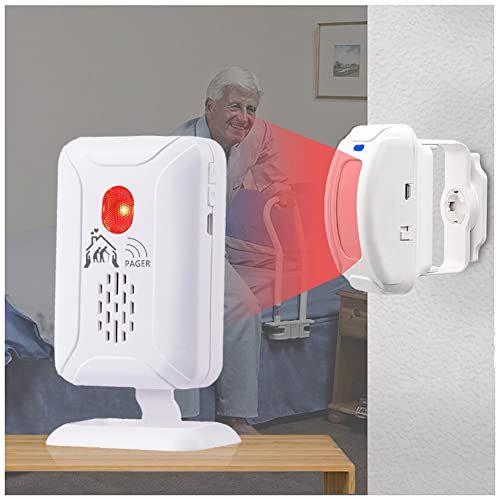
Upgraded Version Bed Sensor Alarm and Fall Prevention for Elderly/Dementia and More,Caregiver Pager Motion Sensor Alert with 5 Volume Level,Bed Alarm for Elderly Adults Wireless
Easy to monitor loved ones getting out of bed or leaving the room,Wireless motion sensors can be placed...
As an affiliate, we earn on qualifying purchases.
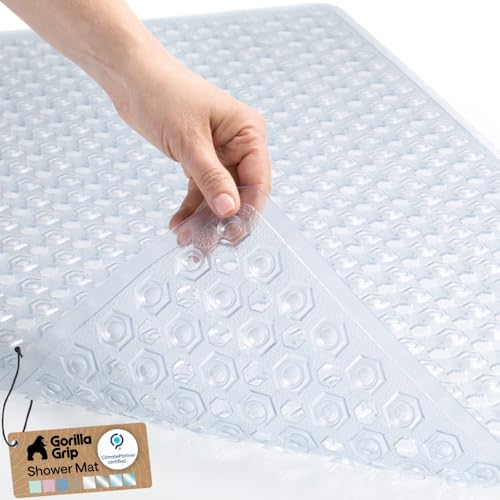
GORILLA GRIP Patented Bath Tub Shower Mat, Machine Washable Bathtub Floor Liner Mats, Suction Cups and Drain Holes to Keep Tubs Clean, Soft on Feet, Bathroom Essentials, 35x16 Inch, Clear
PATENTED DESIGN WITH POWERFUL SUCTION GRIP: a bath mat designed to securely stay in place; this patented bathtub...
As an affiliate, we earn on qualifying purchases.