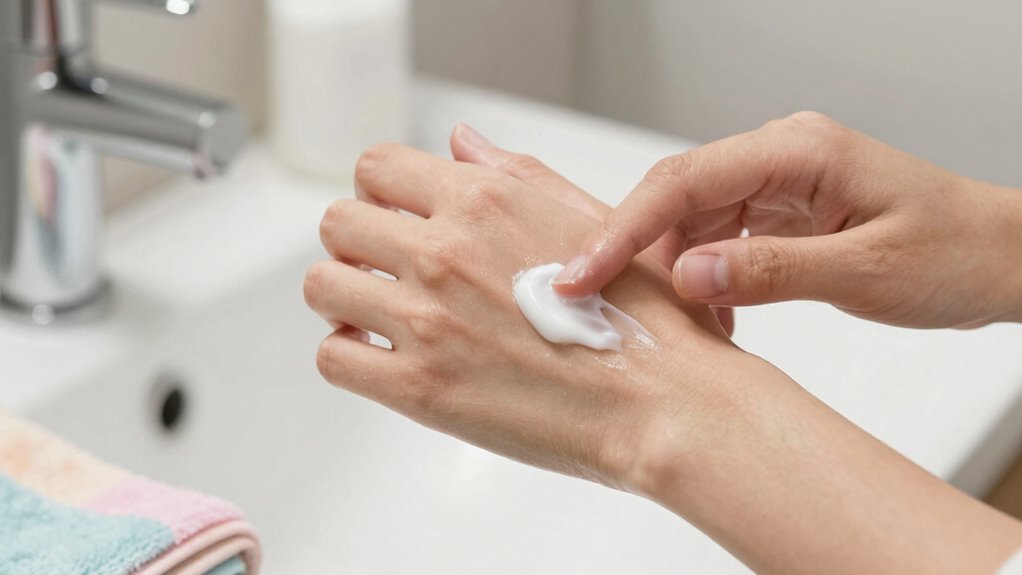

To protect your skin during frequent washing, use lukewarm water and gentle, pH-balanced cleansers to avoid stripping oils and disrupting your skin’s barrier. Apply moisturizer while your skin is still damp to lock in hydration and maintain a healthy pH level. Pat your skin dry gently instead of rubbing, and always choose hydrating products with ingredients like hyaluronic acid or glycerin. Keep your environment clean and be mindful of external irritants to support your skin’s resilience—you’ll find more tips ahead.

Turn quiet afternoons into listening time
- Thousands of audiobooks, podcasts and originals
- Listen on your phone, tablet or Echo — also offline
- Cancel anytime
Key Takeaways
- Use lukewarm water instead of hot water to prevent stripping natural oils.
- Choose gentle, pH-balanced cleansers to maintain the skin’s acid mantle.
- Apply hydrating moisturizers immediately after washing to lock in moisture.
- Pat skin dry gently and avoid vigorous rubbing to reduce irritation.
- Limit shower duration and frequency to minimize disruption of the skin barrier.
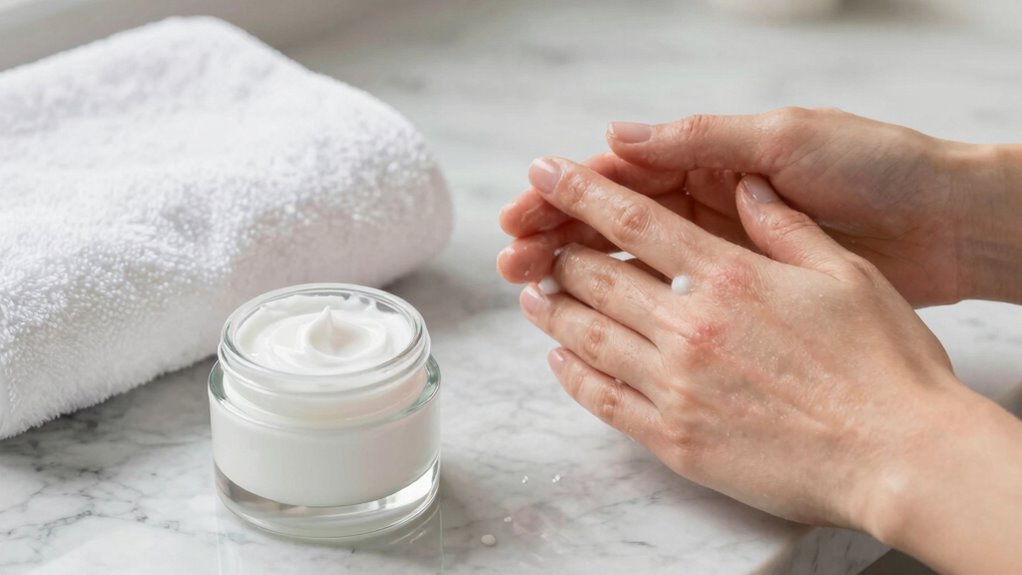
Have you ever wondered how to keep your skin healthy despite washing it frequently? It’s a common concern, especially if you’re trying to stay clean or manage skin conditions. The key is to understand that frequent washing doesn’t have to damage your skin if you apply the right hydration techniques and pH balance strategies. When you wash your skin often, you risk stripping away natural oils and disrupting the delicate acid mantle that protects against bacteria and pollutants. To counteract this, focus on replenishing moisture immediately after washing. Use a gentle, hydrating moisturizer that contains ingredients like hyaluronic acid or glycerin, which help lock in moisture and keep your skin plump and supple. Incorporating these hydration techniques ensures your skin remains resilient and less prone to dryness or irritation, even with regular cleansing. Additionally, understanding the importance of landscaping can help you create a backyard environment that minimizes dust and pollutants, indirectly supporting your skin’s health. Maintaining a healthy environment can also reduce the presence of irritants that may exacerbate skin issues, especially considering the impact of microplastics in dust on overall skin health.
Equally important are pH balance strategies. Your skin naturally has an acidic pH around 4.5 to 5.5, which helps ward off harmful bacteria and maintain its barrier function. When you wash your skin with harsh soaps or excessively hot water, you can raise the pH level, weakening this protective barrier. To prevent that, choose pH-balanced cleansers that match your skin’s natural acidity. These products help preserve the skin’s pH balance and prevent unnecessary damage or dryness. Additionally, avoid overly long or hot showers, as they can strip oils and disturb your skin’s pH. Instead, opt for lukewarm water and limit shower time. After washing, consider applying a toner with pH-balancing properties to reinforce your skin’s natural defenses. Being aware of your skin’s natural acidity can help you select the most suitable skincare products and avoid disrupting this delicate balance.
You also want to be mindful of your daily habits. Pat your skin dry gently instead of rubbing vigorously, and always apply moisturizer while your skin is still slightly damp. This locks in moisture effectively. Drinking plenty of water throughout the day further supports your skin’s hydration from the inside out. Remember, consistency is key; incorporating these hydration techniques and pH balance strategies into your routine makes a significant difference over time. Even with frequent washing, your skin can stay healthy, resilient, and well-protected. It’s about choosing gentle products, avoiding harsh conditions, and guaranteeing your skin’s natural barrier stays intact. Proper skincare routine and mindful habits can significantly improve your skin’s health and appearance. By doing so, you’ll minimize irritation and maintain a fresh, comfortable feeling after each wash.
Frequently Asked Questions
Can Certain Fabrics Damage Skin With Frequent Washing?
Yes, certain fabrics can damage your skin with frequent washing. Fabric irritants, like rough or synthetic materials, may cause redness or itchiness, especially if you have sensitive skin. Textile allergies can also develop or worsen with repeated exposure, leading to rashes or discomfort. To protect your skin, opt for soft, natural fabrics like cotton or silk, and wash them with gentle detergents to minimize irritation and allergy risks.
How Does Water Temperature Affect Skin Health?
Water temperature is like a double-edged sword for your skin; hot water can strip your skin barrier, leaving it vulnerable, while cold water helps preserve it. When washing, pay attention to water pH—ideally neutral—to avoid disrupting your skin’s natural balance. Using excessively hot water can weaken your skin barrier, causing dryness and irritation, so opt for lukewarm water to keep your skin healthy and resilient.
Are There Specific Washing Powders Better for Sensitive Skin?
Yes, gentle detergents are better for sensitive skin because they’re free from harsh chemicals and fragrances that can cause irritation. Look for labels indicating hypoallergenic or for sensitive skin. Additionally, natural remedies like using baking soda or vinegar in your laundry can help soothe your skin and reduce allergic reactions. These options keep your laundry effective while minimizing the risk of skin irritation, making your frequent washing safer and more comfortable.
Does Frequent Washing Impact Skin’s Natural Oils?
Imagine your skin as a delicate fortress, with the skin barrier guarding your natural oils. Frequent washing can strip away this barrier, disrupting the oil balance and leaving your skin vulnerable. When you wash often, you wash away essential oils, making your skin dry, irritated, and less resilient. To keep your fortress strong, use gentle cleansers, avoid hot water, and moisturize regularly, preserving your skin’s natural defenses.
How Often Should Skin Be Moisturized After Washing?
You should moisturize your skin immediately after washing to lock in moisture and maintain skin hydration. Applying moisturizer right away guarantees your skin absorbs it effectively, preventing dryness and irritation. Use a gentle, nourishing moisturizer suited for your skin type, and don’t forget to reapply as needed throughout the day. Consistent moisturizer application keeps your skin healthy, soft, and resilient, especially with frequent washing.
Conclusion
Remember, your skin is like a delicate garden—requiring gentle care amidst constant tending. Every wash can be a rain shower, nourishing but also risking overwatering. Protect it with soothing oils and gentle cleansers, acting as a shield against harsh elements. By nurturing your skin, you guarantee your inner light remains radiant, like sunlight filtering through leaves. With mindful care, your skin can flourish even in the face of frequent washing, standing resilient as a well-tended oasis.
Fall Picks
fall essentials
As an affiliate, we earn on qualifying purchases.