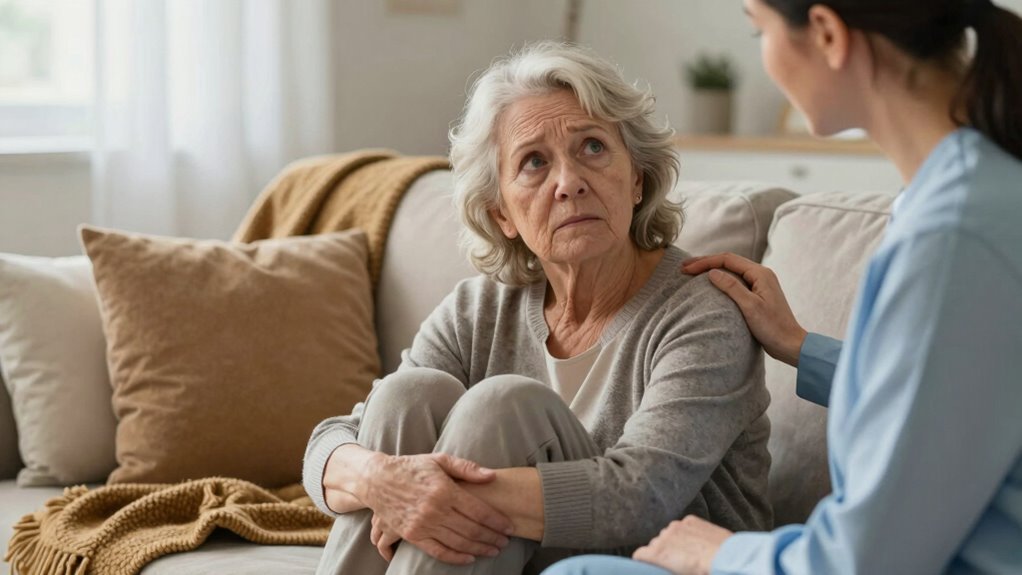

As a caregiver, it’s important to understand that post-fall fear is a common and lasting emotional response that can affect an older adult’s independence and well-being. This fear can cause anxiety, hesitation, and loss of confidence even after physical recovery. To support their emotional healing, acknowledge their feelings, encourage small achievements, and create a safe environment. Focusing on both emotional and physical recovery helps rebuild trust and confidence—if you want to learn more, keep exploring effective strategies to support them.

Turn quiet afternoons into listening time
- Thousands of audiobooks, podcasts and originals
- Listen on your phone, tablet or Echo — also offline
- Cancel anytime
Key Takeaways
- Understand that post-fall fear can persist and impact an older adult’s independence and emotional well-being.
- Validate and listen patiently to their concerns, avoiding dismissal or rushing recovery.
- Encourage small, achievable activities to rebuild confidence and promote a sense of security.
- Collaborate with healthcare professionals to develop tailored physical and emotional support strategies.
- Create a safe environment and provide reassurance to help reduce anxiety and foster emotional resilience.
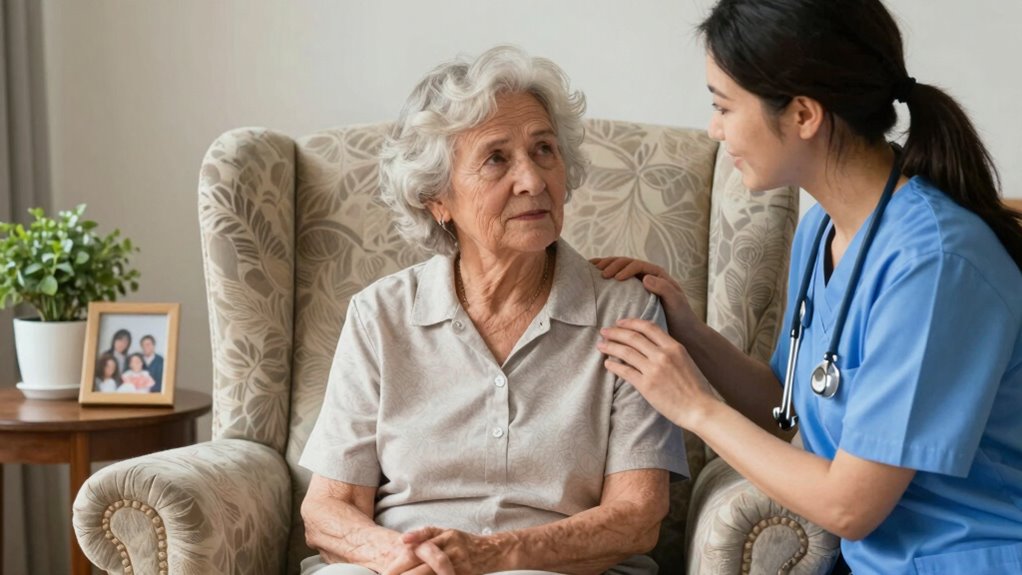
Falls are a common concern among older adults, and as a caregiver, you play a critical role in managing the aftermath. When an older adult experiences a fall, it’s natural for them to feel a mixture of fear, anxiety, and vulnerability. This emotional response can linger long after the physical injuries have healed, often leading to what’s known as post-fall fear. Understanding this fear is essential because it can profoundly impact your loved one’s daily life, independence, and overall well-being. Your role involves not just addressing physical needs but also providing emotional support that helps them navigate these feelings.
Understanding post-fall fear helps caregivers support emotional recovery and maintain independence for older adults.
Building confidence is an important part of helping your loved one recover emotionally from a fall. It’s important to acknowledge their fear without dismissing it. Instead of insisting they should just “get over it,” you can validate their feelings and encourage small, achievable steps to regain their confidence. For example, encouraging gentle activities like walking around the house or sitting in a familiar space can help them feel more in control and less anxious about falling again. When you see progress, praise their efforts, which reinforces their sense of accomplishment and safety. Confidence building isn’t about pushing them beyond their comfort zone but about creating a supportive environment where they can gradually regain trust in their movements and surroundings. Recognizing the importance of emotional well-being can make a significant difference in their recovery process. Incorporating mindfulness techniques can also help them manage anxiety related to their fears. Additionally, understanding the impact of post-fall fear on their daily routines can guide you in providing more targeted support. Being aware of fall prevention strategies can further empower you to create a safer environment for your loved one. It’s also beneficial to educate yourself about fear of falling to better recognize and address their emotional needs.
Providing emotional support involves active listening and patience. When your loved one expresses fear, listen attentively and reassure them that their feelings are normal. Avoid minimizing their concerns or rushing them to “move on.” Instead, focus on creating a sense of security and stability. Remind them of their strengths and past achievements, emphasizing their resilience. Sometimes, just being present and showing empathy can make a big difference in easing anxiety.
It’s also helpful to involve healthcare professionals, such as physical therapists or counselors, who can offer tailored strategies for confidence building and emotional support. They can suggest exercises that improve strength and balance, which directly reduce the risk of future falls and help your loved one feel more secure. In the meantime, your steady support, encouragement, and patience are invaluable. By focusing on emotional well-being and confidence building, you’re not only helping them recover physically but also empowering them emotionally to regain independence and live life with less fear.
fall prevention safety rails for elderly
As an affiliate, we earn on qualifying purchases.
As an affiliate, we earn on qualifying purchases.
Frequently Asked Questions
How Can I Tell if My Loved One’s Fear Is Impacting Their Daily Life?
You can tell if your loved one’s fear is affecting their daily life if they start avoiding activities they once enjoyed, withdraw from social interactions, or show signs of emotional distress. Watch for decreased confidence and reluctance to move independently, despite physical ability. Supporting their emotional resilience and confidence building through gentle encouragement and reassurance can help them regain independence and reduce fear’s impact on daily routines.
Are There Specific Exercises to Reduce Fear of Falling?
Yes, there are specific exercises to reduce fear of falling. Focus on balance training activities like heel-to-toe walks, single-leg stands, and gentle yoga poses to improve stability. These exercises help build confidence and reduce anxiety about falling. Start slowly, and gradually increase difficulty as your loved one gains strength. Consistent practice can make a significant difference, helping them feel more secure and independent in daily activities.
How Do I Address My Loved One’s Anxiety About Falling Without Causing More Fear?
You should start by offering emotional reassurance and gentle communication, which can help ease your loved one’s anxiety about falling. Remember, nearly 60% of older adults experience post-fall fear, so your calm, supportive approach makes a difference. Speak softly, listen actively, and avoid dismissing their worries. Encourage small, safe activities to rebuild confidence gradually, showing that you’re there every step of the way without increasing their fear.
What Signs Indicate My Loved One Needs Professional Mental Health Support?
If your loved one shows persistent sadness, withdrawal, or anxiety beyond typical fears, they may need professional mental health support. Watch for signs like emotional resilience decreasing, difficulty coping with daily tasks, or changes in sleep and appetite. Encouraging them to seek help can boost their coping strategies and emotional strength. Don’t hesitate to consult a mental health professional if these symptoms persist, ensuring they get the support they need.
How Can I Encourage Independence While Ensuring Safety After a Fall?
To encourage independence after a fall while ensuring safety, focus on fall prevention strategies like removing tripping hazards and installing grab bars. Support your loved one’s emotional resilience by reassuring them and celebrating small victories. Encourage them to participate in gentle exercises to rebuild confidence. Regularly assess their environment and health needs, and involve them in safety planning to make them feel empowered and secure, fostering independence with safety as a priority.
As an affiliate, we earn on qualifying purchases.
Conclusion
As a caregiver, understanding post-fall fear helps you support recovery, rebuild confidence, and prevent future falls. Recognize the signs, address concerns, and foster independence. Encourage safe activities, promote open communication, and celebrate small victories. By doing so, you create a safe environment, boost emotional well-being, and restore trust. Ultimately, your compassion, patience, and proactive approach make a difference—because caring means healing, caring means empowering, and caring means helping your loved one regain their strength and spirit.
As an affiliate, we earn on qualifying purchases.
mindfulness meditation for anxiety
As an affiliate, we earn on qualifying purchases.
As an affiliate, we earn on qualifying purchases.
Fall Picks
fall essentials
As an affiliate, we earn on qualifying purchases.