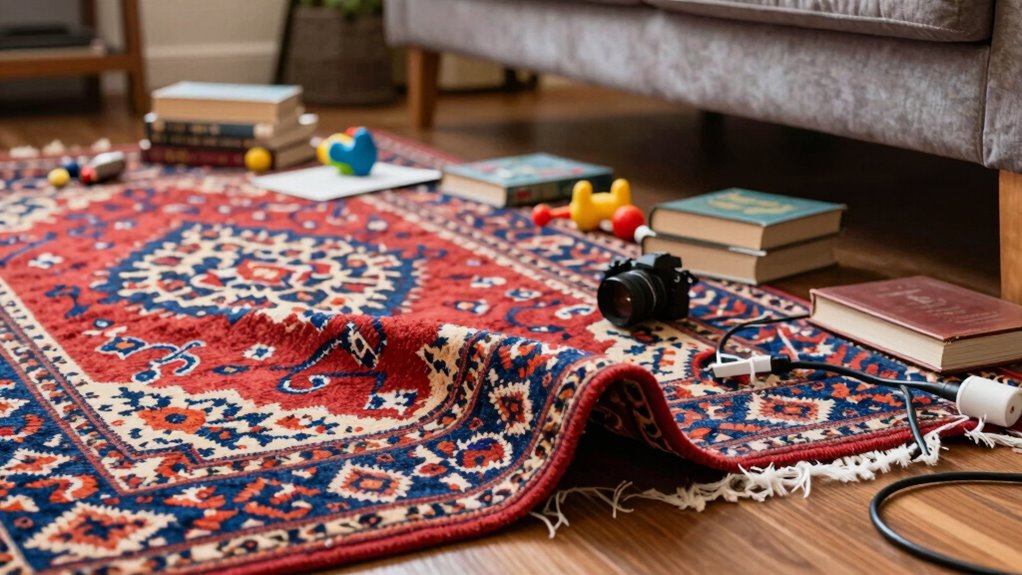

Loose rugs and clutter might seem harmless, but they secretly pose serious risks. Unsecured rugs can slip or trip you, especially in busy areas like kitchens or hallways. Clutter creates obstacles, increasing the chance of falls and fires. Small hazards often go unnoticed but can lead to dangerous accidents if overlooked. Staying vigilant and managing these hazards helps keep your home safe. Keep going to discover simple ways to prevent these unseen dangers from affecting you.

Turn quiet afternoons into listening time
- Thousands of audiobooks, podcasts and originals
- Listen on your phone, tablet or Echo — also offline
- Cancel anytime
Key Takeaways
- Loose rugs can shift or curl, creating tripping hazards often overlooked in safety assessments.
- Clutter obstructs walkways, increasing the risk of trips and falls, especially when combined with loose rugs.
- Damaged or frayed rugs pose fire risks, which can be intensified by nearby clutter and heat sources.
- Regular inspection and maintenance of rugs and clutter management are essential for preventing accidents.
- Vigilance and proactive safety measures significantly reduce risks of slips, falls, and fires in the home.
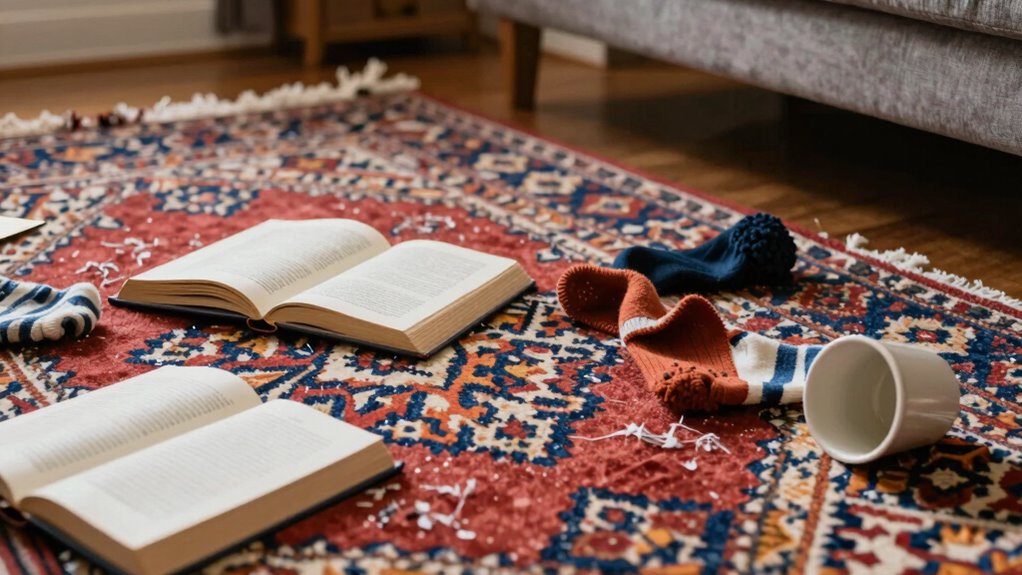
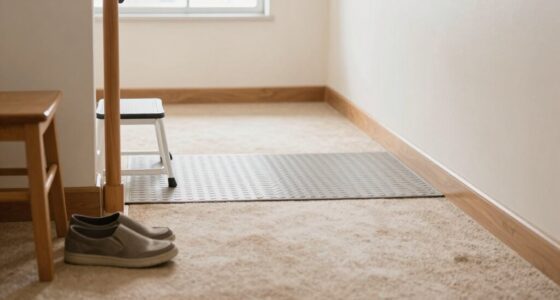
Loose rugs and clutter often seem harmless, but they pose a significant safety risk that many overlook. You might think they add to the comfort or aesthetic of your home, but they can create dangerous conditions that lead to serious injuries. One of the biggest concerns is slip prevention. When rugs are not secured properly, they can shift unexpectedly under your feet, causing you to lose your balance and fall. This is especially true in high-traffic areas like hallways, kitchens, or entryways, where the risk of slipping increases. If you don’t guarantee your rugs with non-slip pads or tape, you’re leaving yourself vulnerable to accidents. Even a small, seemingly stable rug can become a tripping hazard if it bunches or curls at the edges. Regularly inspecting your rugs for slip hazards can help prevent accidents before they happen. Additionally, using rug anchors or adhesives can provide extra security. Properly maintaining your home environment by addressing potential hazards is crucial for safety.
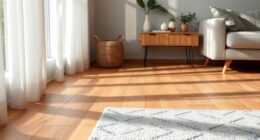
Secure rugs with non-slip pads to prevent slips and falls in busy areas of your home.
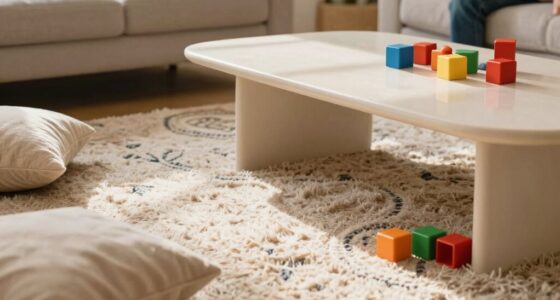
Clutter compounds this risk. When clutter accumulates on floors, it creates obstacles that are easy to trip over, especially when combined with loose rugs. You might be rushing to answer the door or grab something from the kitchen and not notice the clutter or loose edges of rugs. This oversight can lead to trips, falls, and potentially serious injuries. It’s essential to keep walkways clear and make certain rugs are firmly secured to prevent slipping. Simple steps, like regularly tidying up clutter and using rug anchors, can dramatically reduce the chances of falls. Regular clutter management also helps minimize the risk of fire hazards, especially when combined with damaged or frayed rugs. Incorporating home safety practices can further enhance your home’s security and prevent accidents.
Beyond the immediate physical injury risk, loose rugs and clutter can also pose a fire hazard. If a rug is frayed or damaged, or if clutter includes items like papers, cloth, or combustible materials, they can ignite easily if there’s a spark or heat source nearby. For example, a forgotten candle or an electrical malfunction could turn a loose rug or cluttered space into a dangerous fire scene. You need to inspect and maintain your rugs regularly, assuring they’re in good condition and properly secured, especially around heat sources or electrical outlets. Keeping clutter away from heat and making certain rugs are tightly fitted reduces the risk of fire spreading quickly. Proper storage of combustible items and avoiding clutter near heat sources are crucial steps in fire prevention.
In short, taking simple precautions like securing rugs, clearing clutter, and maintaining your environment promotes slip prevention and reduces fire hazards. These small adjustments make a big difference in keeping your home safe. You shouldn’t wait until an accident happens to realize how overlooked dangers like loose rugs and clutter can turn into serious hazards. Stay vigilant, keep your living space safe, and actively work to eliminate these hazards before they cause harm.
non-slip rug pads for hardwood floors
As an affiliate, we earn on qualifying purchases.
As an affiliate, we earn on qualifying purchases.
Frequently Asked Questions
How Can I Securely Anchor Loose Rugs?
To securely anchor loose rugs, start by using rug padding underneath to prevent slipping. Next, apply non-slip adhesives or rug grips along the edges and corners of your rug to keep it firmly in place. You can also use rug tacks or double-sided tape for extra security. Regularly check and reapply these solutions to guarantee your rug stays safe and doesn’t pose a tripping hazard.
What Are the Best Clutter Management Tips for Safety?
You should start by evaluating your space with a clear furniture arrangement that promotes easy movement. Use smart storage solutions like bins and shelves to keep clutter out of walkways, reducing trip hazards. Regularly declutter, and keep daily essentials within reach to avoid piling up. This proactive approach helps maintain a safe environment, preventing accidents and making your home more organized and inviting.
Are Certain Rug Materials More Slip-Resistant?
Some rug materials are more slip-resistant than others. For example, rubber-backed or latex-coated rugs offer better slip resistance, making them safer for high-traffic or slippery areas. Natural fibers like wool also tend to be more slip-resistant due to their textured surface. Avoid smooth materials like silk or polyester, which can be more prone to slipping. Choosing the right rug material helps prevent accidents and keeps your home safer.
How Often Should I Inspect Rugs for Safety Risks?
You should inspect your rugs for safety risks at least once a month, especially after rug cleaning or heavy foot traffic. Coincidentally, regular inspections help catch loose edges or wear that could cause slips. Focus on areas prone to slipping, and secure loose rugs immediately. Consistent checks promote slip prevention and guarantee your home remains safe, reducing the chance of accidents. Keep an eye out for any signs of deterioration during your routine inspections.
What Safety Measures Are Recommended for Homes With Children?
You should implement childproofing strategies by securing loose rugs to prevent slips and falls, and by keeping clutter minimal to reduce tripping hazards. Regularly check furniture safety, ensuring that heavy items are anchored and sharp edges are covered. Keep hazardous objects out of children’s reach, and use safety gates in doorways or staircases. These precautions help create a safer environment, minimizing risks and encouraging safe exploration.
rug anchors and adhesives for safety
As an affiliate, we earn on qualifying purchases.
As an affiliate, we earn on qualifying purchases.
Conclusion
Just like Icarus flew too close to the sun, ignoring the hidden dangers of loose rugs and clutter can lead to unexpected falls and injuries. Don’t let complacency be your downfall—take action now. Clear your pathways, secure loose ends, and stay vigilant. Remember, the smallest oversight can have the biggest consequences. Protect yourself and your loved ones by paying attention to these overlooked hazards before tragedy strikes. Your safety depends on it.
clutter storage bins and organizers
As an affiliate, we earn on qualifying purchases.
As an affiliate, we earn on qualifying purchases.
As an affiliate, we earn on qualifying purchases.
Fall Picks
fall essentials
As an affiliate, we earn on qualifying purchases.