
Oral care often gets missed in home care because caregivers may underestimate its importance or prioritize other tasks like medication management and nutrition. Challenges such as lack of training, physical or cognitive difficulties, and limited oversight can make it tempting to skip or delay routine brushing and flossing. Time constraints and caregiver burnout also play a role. If you keep exploring, you’ll discover effective ways to overcome these obstacles and improve oral health for those you care for.
Key Takeaways
- Caregivers often prioritize other tasks, viewing oral care as less urgent or routine.
- Physical and cognitive challenges hinder effective brushing and flossing in home settings.
- Lack of proper training and awareness about the importance of oral hygiene.
- Limited professional oversight reduces accountability for consistent oral care.
- Caregiver burnout and time constraints cause oral hygiene to be overlooked.
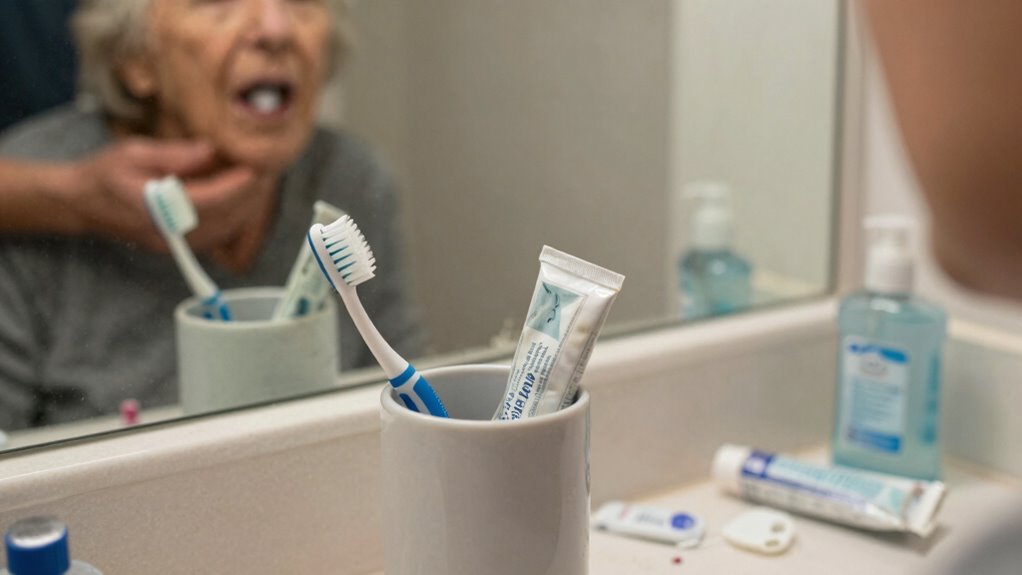
Maintaining good oral care is essential for overall health, especially when receiving home care. Many people overlook this aspect because they assume it’s less important than other health needs or because they’re simply too busy attending to more obvious medical concerns. However, neglecting oral care can lead to serious health problems, including infections, pain, and even systemic issues like heart disease. When it comes to home care, your dental hygiene and mouth health often fall by the wayside, despite their importance in maintaining overall well-being.
One reason oral care gets missed is that it’s often viewed as a routine task that can be postponed or skipped altogether. Caregivers and family members may focus more on managing medications, mobility, or nutrition, assuming that oral health can wait until the next day. Sadly, this mindset can cause plaque buildup, gum disease, and cavities to develop unnoticed. In a home setting, there’s sometimes less oversight and fewer professional check-ins, making it easier for oral hygiene to slip through the cracks. Additionally, many individuals receiving home care may have physical or cognitive challenges that make brushing and flossing difficult, further complicating efforts to maintain mouth health.
Another factor is lack of awareness or training. Family caregivers might not be fully aware of the significance of dental hygiene in overall health or may not know the proper techniques for assisting with oral care. They might think that brushing once a day is enough or believe that mouth rinses can replace brushing altogether. Without proper guidance, even well-intentioned caregivers may unintentionally neglect essential steps, leading to poor oral hygiene over time. This neglect can cause discomfort, bad breath, and increase the risk of infections, especially in vulnerable populations like seniors or those with medical conditions that impair saliva production or immune response.
Time constraints and caregiver burnout also play a role. When you’re juggling multiple responsibilities, it’s easy to prioritize medications, safety, and daily tasks over oral care. You may feel that brushing or rinsing is a minor detail compared to other pressing needs, but neglecting mouth health can have far-reaching consequences. Maintaining consistent oral hygiene routines isn’t just about fresh breath; it’s about protecting your loved one’s overall health. Recognizing that dental hygiene impacts systemic health is key to making it a regular part of home care.
Top picks for "care oral often"
Open Amazon search results for this keyword.
As an affiliate, we earn on qualifying purchases.
Frequently Asked Questions
How Can Caregivers Motivate Clients to Maintain Oral Hygiene?
You can motivate clients to maintain oral hygiene by using engaging strategies like personalized reminders and positive reinforcement. Incorporate motivational techniques such as setting small, achievable goals and offering praise for progress. Make oral care enjoyable by involving clients in choosing their toothbrushes or flavored toothpaste. By keeping the routines engaging and meaningful, you encourage clients to stay consistent, ultimately improving their oral health and overall well-being.
What Are Common Oral Health Issues Overlooked in Home Care?
You might overlook dental neglect and oral discomfort when providing home care, but both can lead to serious health issues. Common problems include cavities, gum disease, and bad breath, often caused by infrequent brushing or neglecting regular dental visits. Don’t forget to check for signs of dental neglect or oral discomfort, and encourage consistent oral hygiene routines to prevent pain, infections, and long-term damage.
How Often Should Oral Care Be Performed for Elderly Clients?
You should perform dental hygiene for elderly clients at least twice a day—morning and night—to maintain mouth health and prevent issues like infections or decay. Sometimes, a missed brush coincides with busy schedules, but consistent care is essential. Regular oral care not only keeps their mouth healthy but also boosts overall well-being. Remember, a simple routine can considerably improve their quality of life and comfort.
Are There Specific Oral Care Products Recommended for Seniors?
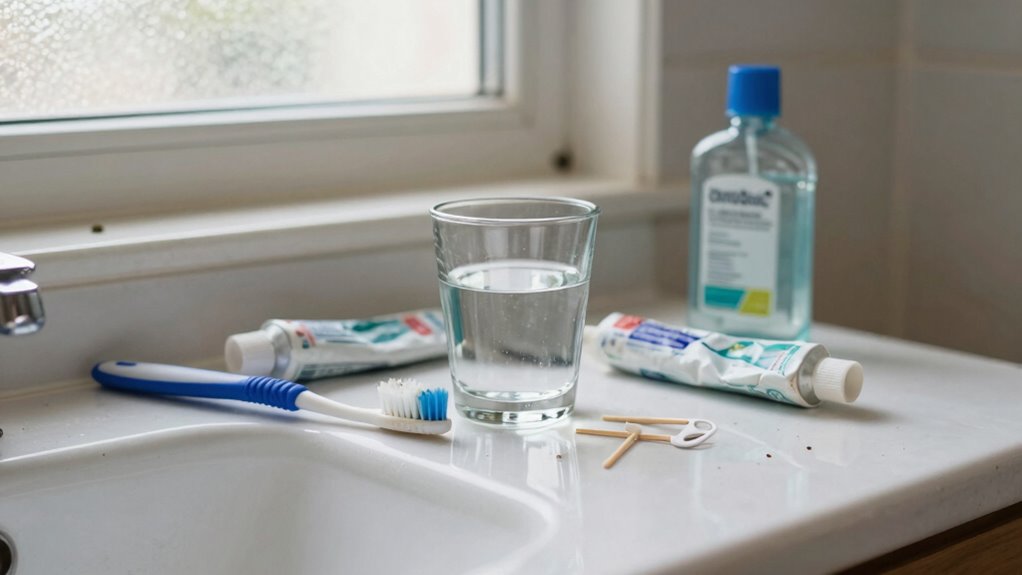
You should choose senior-friendly toothbrushes with soft bristles to gently clean teeth without irritation. A gentle mouthwash can help reduce bacteria and freshen breath without causing discomfort. Look for products specifically designed for seniors, ensuring they’re easy to handle and safe for daily use. Using these tailored products encourages consistent oral care, helping maintain oral health and overall well-being for your elderly clients.
What Training Is Available for Family Caregivers on Oral Health?
You can access professional training and caregiver education programs that focus on oral health. These courses teach you proper brushing, flossing, and identification of oral issues, boosting your confidence. Many organizations offer online or in-person sessions tailored for family caregivers. Investing in this training guarantees you provide the best oral care, helping your loved one stay healthy and comfortable, even if you’ve never cared for dental health before.
Conclusion
Neglecting oral care might seem small, but it can lead to bigger health issues down the line. Imagine a senior who skips brushing, thinking it’s not a big deal—soon, they develop painful infections that affect eating and overall health. Regular oral care keeps your loved ones comfortable and healthy. Don’t forget, a simple daily routine can prevent unnecessary pain and costly treatments, making a real difference in their quality of life.