Finding the right telehealth device for seniors involves balancing ease of use, safety features, and reliable health monitoring. The Audar E2 Senior Smartwatch stands out for its comprehensive health tracking and fall detection, making it ideal for active seniors. The JubileeTV Remote Care System offers a simple, all-in-one remote solution that’s easy to operate, perfect for less tech-savvy users. Meanwhile, the Seculife Cellular Medical Alert Smartwatch provides extensive features like GPS tracking and medical reminders, suited for those who want more connectivity and health oversight. Each of these options faces tradeoffs—more features can mean more complexity, while simpler devices might lack advanced monitoring. Keep reading for the full breakdown to find your best fit.
Key Takeaways
- Top picks balance ease of use with robust health and safety features tailored for seniors.
- Devices with fall detection and GPS are essential for active seniors or those with mobility concerns.
- Simplicity and straightforward operation are key for seniors unfamiliar with technology, making some devices more suitable for beginners.
- More advanced features like blood pressure monitoring or caregiver apps add value but can increase complexity and cost.
- Battery life and waterproofing are often overlooked but critical for reliable, daily use without interruptions.
| Audar E2 Senior Smartwatch with Fall Detection & SOS, Heart Rate, Blood Pressure, SpO₂ & Temperature Monitoring |  | Best Overall for Comprehensive Remote Monitoring and Emergency Response | Operating System: Zephyr RTOS | Additional Features: Audar telehealth cloud platform, Inbuilt cellular eSIM, No monthly subscription, Real-time & historic health monitoring | GPS: Built-in GPS | VIEW LATEST PRICE | See Our Full Breakdown |
| JubileeTV Remote Care System for Seniors |  | Best for Enhancing Connection and Remote Control Simplicity | Maximum Supported Devices: 4 | Connectivity Technology: Bluetooth, Infrared, Wi-Fi | Button Quantity: 34 | VIEW LATEST PRICE | See Our Full Breakdown |
| Elderly Senior Medical Alert System – No Monthly Fees, Calls Family/911, Landline or Cell Compatible | 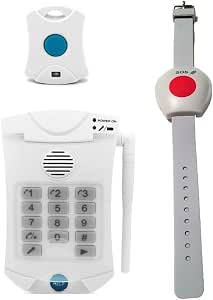 | Best No-Subscription Emergency Alert System for Basic Safety | Power Source: Corded Electric | Connectivity Technology: Wired, Wireless | Alert Type: Manual Control | VIEW LATEST PRICE | See Our Full Breakdown |
| Seculife Medical Alert Smartband for Seniors with Fall Detection and GPS |  | Best for All-in-One Safety and Vital Monitoring on a Wearable | Fall Detection: Yes | GPS Tracking: Yes | SOS Button: Yes | VIEW LATEST PRICE | See Our Full Breakdown |
| Life Alert Systems for Seniors No Monthly Fee App-Controlled with Waterproof Wrist Remote and Call Button |  | Best for Reliable, No-Cost Emergency Alerts | Compatible Devices: Smartphone | Number of Batteries: 2 A batteries included | Control Method: App, Push Button | VIEW LATEST PRICE | See Our Full Breakdown |
| COCO Emergency Alert Smartwatch for Seniors – Fall Detection, SOS Call, Heart Rate & SpO2 Monitor, Medication Reminder, Bluetooth Calling, Caregiver App, BT2-X (2026) (Silver) |  | Best for Health Monitoring and Integrated Safety | Display: 1.85” HD | Fall Detection: Enhanced with automatic alerts | Emergency SOS: Dedicated button | VIEW LATEST PRICE | See Our Full Breakdown |
More Details on Our Top Picks
Audar E2 Senior Smartwatch with Fall Detection & SOS, Heart Rate, Blood Pressure, SpO₂ & Temperature Monitoring
The Audar E2 stands out for combining extensive health tracking with cellular independence, making it ideal for seniors who need continuous monitoring without relying on a smartphone. Its built-in cellular eSIM and long battery life provide worry-free operation, surpassing simpler devices like the JubileeTV Remote Care System, which lacks vital sign sensors. However, calibration requirements for blood pressure and limited emergency alert recipients introduce some complexity. Compared to the Seculife Smartband, the E2 offers broader health metrics but at a higher price point and with more setup needs. This pick is perfect for seniors seeking a standalone device for health and emergency alerts, especially those with mobility concerns. It’s less suited for users who prefer simple remote controls or those on tight budgets. Pros include comprehensive health sensors, cellular connectivity, emergency features, and long battery life. Cons involve calibration needs, limited alert recipients, and potential costs for additional health reports. This device makes the most sense for seniors who value detailed health data and independence from smartphones.Pros:- Multiple vital sign sensors for comprehensive health data
- Built-in cellular connectivity eliminates need for a phone
- Emergency features include fall detection and SOS alerts with location sharing
- Long-lasting battery up to 10 days
Cons:- Requires calibration with a blood pressure cuff for accuracy
- Additional health reports cost extra, which may add up
Best for: Seniors with chronic health conditions who require continuous, comprehensive monitoring and emergency alert capabilities
Not ideal for: Seniors seeking a simple, low-cost device or those who prefer a device with minimal setup and calibration
- Operating System:Zephyr RTOS
- Additional Features:Audar telehealth cloud platform, Inbuilt cellular eSIM, No monthly subscription, Real-time & historic health monitoring
- GPS:Built-in GPS
- Water Resistance Level:IP67
- Battery Life:Up to 10 days active, 30 days standby
- Supported Application:Health Management App
Our verdict“This smartwatch is best for seniors who want detailed health monitoring and emergency features in a standalone device.”
JubileeTV Remote Care System for Seniors
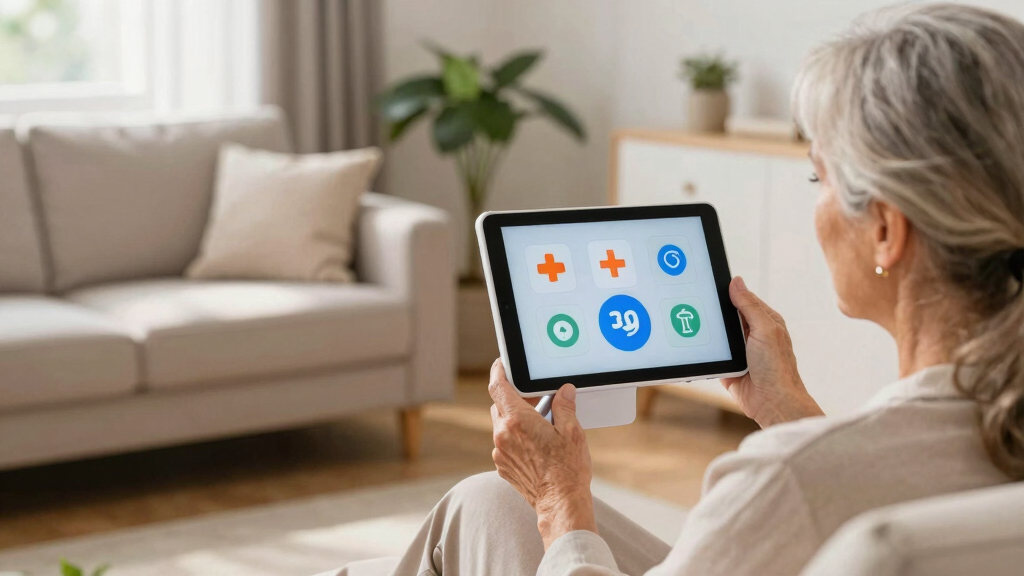
The JubileeTV Remote Care System simplifies entertainment and communication with a large, easy-to-use remote that seniors can operate via smartphone or tablet. Its intuitive interface with large buttons and voice control makes it accessible for users unfamiliar with technology, making it a good alternative to health-focused devices like the Seculife Smartband. Still, the need for a subscription plan and geographic restrictions limit its appeal for some. Unlike health-centric options, it prioritizes social connection and TV control, which may be less critical for seniors with medical monitoring needs. If a senior primarily needs to stay connected and control their entertainment effortlessly, this system is a strong choice. However, those seeking health monitoring or emergency alerts should look elsewhere. Pros include user-friendly design, voice control, and compatibility with existing TVs. Cons involve ongoing subscription costs, limited availability, and no health tracking features. This system works best for seniors wanting easy entertainment access and staying socially engaged.Pros:- Large, backlit buttons for easy operation
- Supports remote control of existing TVs without replacement
- Includes voice control and video calling features
- Enhances independence through simple interface
Cons:- Requires a membership plan for full feature access
- Limited to U.S. residents and additional subscription costs apply
- Does not provide health or emergency monitoring
Best for: Seniors who prioritize social connection and simple remote control over health monitoring
Not ideal for: Seniors needing medical alerts, vital sign tracking, or emergency response features
- Maximum Supported Devices:4
- Connectivity Technology:Bluetooth, Infrared, Wi-Fi
- Button Quantity:34
- Controller Type:Voice Control
- Range:10 Meters
- Item Dimensions:16.5″L x 9″W x 3″H
Our verdict“Ideal for seniors focused on entertainment and social connectivity, not for those needing health or safety monitoring.”
Elderly Senior Medical Alert System – No Monthly Fees, Calls Family/911, Landline or Cell Compatible
This wired medical alert system offers a straightforward solution for seniors who want emergency calling without ongoing costs. Its simplicity and waterproof panic buttons make it reliable for independent seniors, especially those with landline access. Compared with the Seculife Smartband, it lacks vital sign monitoring and GPS, but it excels in affordability and ease of setup. Its limited range and reliance on existing phone infrastructure mean it’s less suited for outdoor activities or those without landlines. For seniors primarily concerned with simple emergency alerts at home, this device provides peace of mind without monthly fees. However, users who need fall detection or real-time location tracking should consider other options. Pros include no recurring costs, waterproof design, and easy installation. Cons involve limited mobility features and dependence on landline or cell phone adapters. It’s best for seniors seeking a basic, reliable emergency alert system with minimal ongoing expenses.Pros:- No monthly fees or subscriptions for operation
- Waterproof design suitable for shower and bath use
- Easy plug-and-play setup with reliable emergency calling
- Portable remote control with 150-foot range
Cons:- Limited to landline or compatible cell phone connection
- No advanced health or location tracking features
Best for: Seniors living primarily at home who want a simple, cost-effective emergency alert system without subscriptions
Not ideal for: Active seniors needing GPS, fall detection, or health monitoring while outside the home
- Power Source:Corded Electric
- Connectivity Technology:Wired, Wireless
- Alert Type:Manual Control
- Maximum Range:150 Feet
- Item Dimensions:10 x 6 x 2 inches
- Color:White
Our verdict“Best suited for seniors who need basic, reliable emergency alerts at home without ongoing costs.”
Seculife Medical Alert Smartband for Seniors with Fall Detection and GPS
The Seculife Smartband combines fall detection, GPS, and health monitoring into a wearable device, offering a convenient all-in-one solution. Its automatic fall detection and GPS geofencing provide real-time safety alerts, making it ideal for active seniors who want mobility and security. Compared with the simpler Elderly Medical Alert System, the Seculife provides more advanced features, though it requires a monthly subscription starting at $25 and depends heavily on cellular coverage. Its user-friendly design with a large screen makes it accessible, but the limited health metrics beyond vital signs may be a drawback for those with more complex needs. This device is best for seniors who want comprehensive safety features on the go but are comfortable with ongoing costs. It’s less suitable for those seeking a basic, no-cost emergency system or minimal tech devices. Pros include fall detection, GPS, two-way calling, and waterproof durability. Cons involve subscription fees, limited health data, and reliance on cellular service.Pros:- Automatic fall detection and GPS tracking for mobility safety
- Two-way calling and emergency alerts in a lightweight band
- Waterproof and comfortable for daily use
- Includes health monitoring features like heart rate
Cons:- Monthly subscription from $25, adding ongoing costs
- Limited detailed health metrics beyond basic vital signs
- Dependent on cellular network coverage
Best for: Active seniors with outdoor routines who need real-time safety alerts and health monitoring in a wearable form
Not ideal for: Seniors preferring simple devices without ongoing costs or those with limited cellular coverage
- Fall Detection:Yes
- GPS Tracking:Yes
- SOS Button:Yes
- Heart Rate Monitor:Yes
- Blood Pressure Monitor:Yes
- Waterproof:IP67
- Subscription Required:$25/month
Our verdict“Ideal for active seniors who want mobility, safety, and health monitoring on a single wearable device with ongoing support costs.”
Life Alert Systems for Seniors No Monthly Fee App-Controlled with Waterproof Wrist Remote and Call Button
This senior alert system stands out for its straightforward, no-monthly-fee setup, making it ideal for caregivers seeking reliable emergency notification without ongoing costs. Compared with the COCO Smartwatch, which offers health monitoring and fall detection, this system focuses solely on emergency alerts and reliable connectivity. Its waterproof remote enables use in showers, a common fall hazard, and its 300-foot range supports larger homes or yards. However, it requires a Wi-Fi 2.4GHz network, which can be a hurdle for some users, and additional SMS alerts involve subscription fees. The device’s simplicity appeals to users who prioritize basic safety features over health tracking or smart home integration. Overall, this pick makes sense for seniors who need dependable emergency alerts with minimal fuss, especially in homes where smart features are unnecessary.
Pros:- Waterproof wrist remote suitable for shower safety
- Long-range connectivity up to 300 feet for larger spaces
- No monthly fees for caregiver notifications
Cons:- Requires a Wi-Fi 2.4GHz network, which might not be available everywhere
- Additional SMS notifications cost extra and involve subscription fees
Best for: Caregivers and seniors seeking a straightforward, cost-effective emergency alert system with waterproof functionality
Not ideal for: Tech-savvy seniors or families wanting health monitoring or smart home integration, as this system lacks those features
- Compatible Devices:Smartphone
- Number of Batteries:2 A batteries included
- Control Method:App, Push Button
- Maximum Range:300 Feet
- Waterproof Remote:Yes
- Smart Home Compatibility:Not Compatible
Our verdict“This system is best for seniors who prioritize simple, reliable emergency alerts without ongoing costs.”
COCO Emergency Alert Smartwatch for Seniors – Fall Detection, SOS Call, Heart Rate & SpO2 Monitor, Medication Reminder, Bluetooth Calling, Caregiver App, BT2-X (2026) (Silver)
The CoCo BT2-X Smartwatch makes the most sense for seniors who want a single device that combines fall detection, health monitoring, and caregiver connectivity. Unlike the Life Alert system, which excels at emergency notifications, this smartwatch offers comprehensive health features like heart rate and SpO2 tracking, along with automatic fall alerts that can trigger immediate emergency responses. Its large 1.85” display and simple interface are designed for easy navigation, but it requires pairing with a smartphone and caregiver app setup, which adds a layer of complexity. While it doesn’t offer the long-range connectivity of the Life Alert system, its Bluetooth calling and AI voice assistant provide a more integrated user experience. This device is ideal for seniors who value ongoing health insights and proactive safety features but are comfortable with smartphone pairing and basic tech setup.
Pros:- Enhanced fall detection with automatic emergency alerts
- Comprehensive health monitoring including heart rate and SpO2
- Large, easy-to-read display with customizable watch faces
- Remote caregiver support via app with location tracking
Cons:- Requires pairing with a smartphone and setup through the app
- Battery life details are limited, which could impact daily use
- Interface may feel basic for tech-savvy users seeking advanced features
Best for: Health-conscious seniors and families seeking a device that combines fall detection with health tracking and caregiver support
Not ideal for: Seniors who prefer standalone emergency alerts or lack familiarity with smartphone pairing and app use
- Display:1.85” HD
- Fall Detection:Enhanced with automatic alerts
- Emergency SOS:Dedicated button
- Health Monitoring:Heart rate, SpO2, sleep, stress
- Connectivity:Bluetooth calling, AI voice assistant
- App Compatibility:CoCo App for caregivers
- Reminders:Medication reminders and schedules
- Model Year:2026
Our verdict“This smartwatch is best for seniors who want integrated health and safety features in a wearable device that supports independence and caregiver connectivity.”
How We Picked
These products were selected based on a combination of performance, usability, build quality, and feature set. Priority was given to devices that balance safety with simplicity, ensuring seniors can operate them independently. We also evaluated how well each device integrates vital health metrics, the reliability of fall detection and GPS features, and overall value considering price and ongoing costs. Rankings reflect how effectively each device meets real-world senior needs while avoiding unnecessary complexity or technical barriers, helping buyers identify options suitable for various lifestyles and tech comfort levels.Factors to Consider When Choosing Senior-friendly Telehealth Devices
Choosing the right telehealth device for a senior involves considering several key factors beyond just features. The ideal device should match the user’s health needs, tech familiarity, and daily routines. It’s important to recognize that more features aren’t always better—simplicity can be a major advantage for ease of operation. Additionally, ongoing costs, device durability, and support options should influence your decision. Understanding these broader considerations helps prevent common mistakes, like overpaying for unnecessary features or selecting devices that are too complicated to use comfortably.Ease of Use and User Interface
For seniors, a device’s interface must be intuitive and straightforward. Look for large buttons, simple navigation, and clear voice prompts if available. Devices that require minimal setup and have minimal learning curves tend to be more effective, reducing frustration and increasing compliance. Avoid overly complicated menus or small screen icons that can be difficult to see or operate. Remember, the best device is one that seniors will wear and use regularly without assistance.
Health Monitoring Features
Consider what health metrics are most relevant—heart rate, blood pressure, oxygen saturation, or temperature. Devices offering multiple vital sign readings can provide a more comprehensive health overview, which is especially valuable for seniors managing chronic conditions. However, additional monitoring features often come with a higher price and complexity, so weigh whether those extras are necessary for the intended user. For less active seniors, basic fall detection and emergency calling may suffice, while more active users might benefit from GPS and activity tracking.
Safety Features and Emergency Response
Reliable fall detection, emergency SOS buttons, and GPS tracking are critical safety features. Fall detection should be sensitive enough to catch real incidents without excessive false alarms, which can cause frustration. GPS tracking offers peace of mind for seniors who are mobile, allowing caregivers to locate them quickly if needed. Devices with direct caregiver connectivity and automatic alerts tend to be more effective, but also check for false alarm protocols and ease of activating emergency functions.
Durability, Battery Life, and Waterproofing
Durability matters for everyday wear, especially if seniors are active or forgetful. Look for waterproof or water-resistant ratings to prevent damage from spills or rain. Battery life influences reliability—devices that require daily charging may be inconvenient, leading to lapses in safety coverage. Long-lasting batteries and simple charging routines help ensure the device remains operational without frequent maintenance, increasing user confidence and safety assurance.
Cost, Subscription Fees, and Support
Initial device costs vary widely, and some include ongoing subscription fees for cellular connectivity or monitoring services. Carefully evaluate whether the added monthly expense aligns with your budget and the level of service provided. Free or no-monthly-fee systems might save money upfront but could offer limited features. Additionally, consider the availability of customer support, training, and warranty options, as these can influence long-term satisfaction and device longevity.
Frequently Asked Questions
Can seniors easily operate these telehealth devices without technical skills?
Many senior-friendly telehealth devices are designed with simplicity in mind, featuring large buttons, clear displays, and minimal menus. Devices like the JubileeTV Remote Care System prioritize straightforward operation, making them suitable for users with limited tech experience. However, some features—such as GPS tracking or health monitoring—may require initial setup assistance. Choosing a device with an intuitive interface and good support can significantly reduce frustration and ensure consistent use.
Are these devices reliable for emergency situations like falls or medical crises?
Reliability in emergencies is a primary concern, and reputable devices incorporate proven fall detection and quick access SOS buttons. Devices like the Seculife Smartband and COCO Smartwatch are equipped with automatic fall alerts and easy-to-activate emergency calls. While no system is perfect, selecting devices with high sensitivity, low false alarm rates, and caregiver connectivity enhances safety. Regular testing and familiarization with emergency functions also contribute to their dependability during real incidents.
How often do these devices need charging, and is battery life sufficient for daily use?
Battery life varies significantly among telehealth devices. Some, like the Life Alert Systems, can last several days on a single charge, reducing the inconvenience of daily charging. Others, especially smartwatches with multiple sensors, may require daily or every-other-day charging. Longer battery life not only minimizes daily maintenance but also ensures constant safety coverage. When choosing a device, consider the user’s routine and whether a longer-lasting battery or easy charging routines would suit their lifestyle best.
Do these devices work with landlines, cell networks, or both?
Compatibility depends on the device model. Some, like the Elderly Senior Medical Alert System, work with landlines or cellular networks, offering flexibility based on available infrastructure. Devices with cellular capabilities, such as the Seculife Smartwatch, provide mobility and independence, especially for outdoor use. Confirming network compatibility before purchase ensures the device functions reliably in the user’s environment, avoiding potential connectivity issues during emergencies.
What should I prioritize if my loved one is very tech-averse or has cognitive decline?
For seniors uncomfortable with technology or facing cognitive challenges, simplicity is paramount. Devices with minimal buttons, clear audio prompts, and straightforward functions are best. The JubileeTV Remote Care System exemplifies ease of use, requiring no complex setup or navigation. In such cases, focusing on devices that emphasize emergency response and fall detection, rather than extensive health monitoring, can provide peace of mind without overwhelming the user. Support and training are also critical to ensure consistent use and confidence.
Conclusion
For active seniors who value comprehensive health monitoring and safety features, the Audar E2 Smartwatch offers an excellent all-around option. Those seeking a simple, budget-friendly emergency alert system may prefer the Elderly Senior Medical Alert System. If you want a device with advanced features like GPS and medication reminders, the Seculife Cellular Smartwatch stands out. Beginners and less tech-savvy users will benefit from devices designed with straightforward operation, while caregivers should prioritize solutions with reliable emergency response capabilities. Matching the device to your loved one’s lifestyle and comfort level ensures safety without sacrificing usability.