

Before moving a senior even an inch, plan carefully by involving them in the process to make them feel in control and comfortable. Pack essentials separately, label boxes clearly, and prepare a “first night” kit with medications and important items. Address emotional needs by discussing benefits of the move and visiting the new space beforehand. Focus on creating a familiar, well-lit environment to help with adjustment. For more helpful tips, keep exploring ways to facilitate a smooth shift for your loved one.
Key Takeaways
- Involve the senior in planning and decision-making to foster a sense of control and reduce anxiety.
- Visit the new residence beforehand to familiarize the senior with the new environment.
- Prepare an essential “first night” box with medications, glasses, chargers, and comfortable clothing.
- Label and organize belongings clearly for easy unpacking and to maintain emotional connections.
- Communicate openly about the move’s benefits, address concerns, and provide reassurance throughout the process.
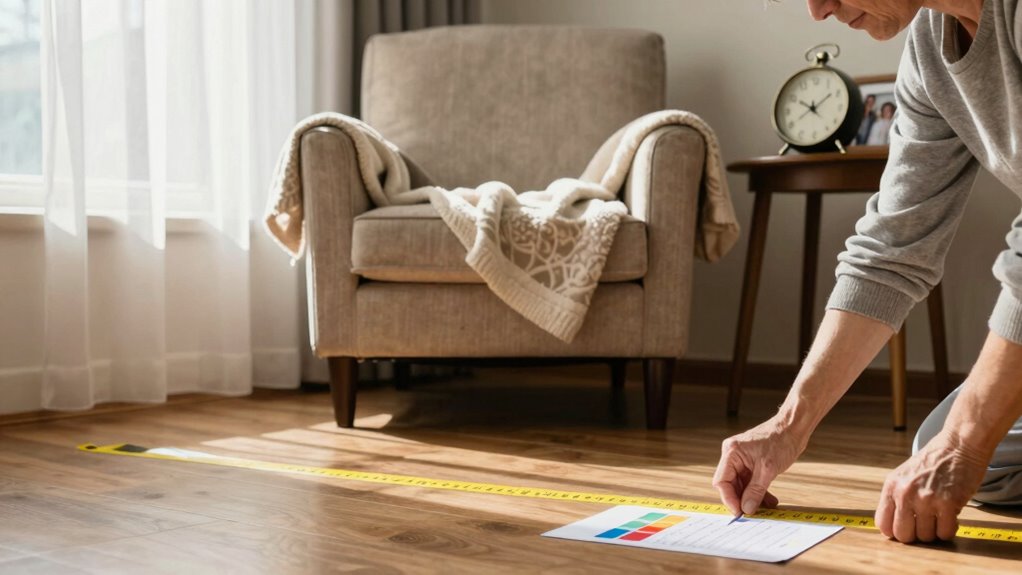
Moving a senior can be a complex process that requires careful planning and preparation. One of the first steps is understanding what packing essentials are necessary. You’ll want to focus on items that make daily life easier and more comfortable for your loved one. Think about their routines, favorite possessions, and any medical or personal needs. Pack important documents like health records, prescriptions, and legal papers separately and keep them accessible. Don’t forget essentials such as clothing, toiletries, and comfort items like blankets or photos that evoke familiarity. Label boxes clearly to streamline unpacking and guarantee nothing gets lost in transit. It’s also wise to prepare a “first night” box with essentials for immediate use—medications, chargers, glasses, and a change of clothes—so your senior can settle in comfortably without rummaging through multiple boxes.
Beyond logistics, emotional preparedness plays a crucial role. Moving can be a stressful and emotional experience for seniors, who might feel anxious about leaving their familiar environment or worried about adjusting to new surroundings. To ease their anxiety, involve them in the planning process from the start. Talk openly about what the move entails, listen to their concerns, and reassure them that their comfort and familiarity are priorities. Creating a sense of control helps reduce stress and makes the transition smoother. Spend time reminiscing about their previous home, highlighting positive memories to foster a sense of continuity and security. If possible, visit the new place beforehand so they can familiarize themselves with the layout. During packing, keep meaningful belongings accessible so your loved one can feel connected to their possessions and memories.
You also want to prepare your senior emotionally for change by discussing the reasons behind the move and the benefits it offers—like reduced responsibilities, better access to healthcare, or the company of loved ones. This transparency helps foster trust and reduces feelings of loss or uncertainty. Additionally, understanding the importance of color accuracy and adequate lighting can help seniors feel more comfortable and at ease in their new environment. Be patient and understanding as they process their emotions, and offer reassurance that their happiness and well-being are top priorities. Moving is more than just transporting belongings; it’s about supporting your loved one through a significant life change. By focusing on packing essentials and emotional preparedness, you set the foundation for a smoother transition, making the entire process more manageable and less overwhelming for everyone involved.

Bath Mat,Ultra Thin Bathroom Rugs,Rubber Bath Mats for Bathroom,No Slip Bath Rugs,Quick Dry,Machine Washable,Low Pile,Absorbent,Shower Outside,Sink,Home Decor Accessories.Grey,1'5"x2'3"(17x27Inch)
- Ultra Thin Design: Fits under doors with 0.2-inch thickness
- Quick Dry & Absorbent: Made from terry cloth for fast drying
- Non-Slip Rubber Backing: Provides safety and traction on wet floors
As an affiliate, we earn on qualifying purchases.
Frequently Asked Questions
How Do I Choose the Right Moving Company for Seniors?
To choose the right moving company for seniors, start by researching companies with good reviews and experience in senior moves. Ask for references and verify their licensing and insurance. Use a packing checklist to guarantee they handle fragile items carefully. Discuss your moving timeline upfront to confirm availability. A reliable company will be transparent, patient, and accommodating, making the process smooth and stress-free for your senior loved one.
What Legal Documents Should I Prepare Before the Move?
Think of legal documents as the map guiding your loved one’s journey. You should prepare essential legal considerations like updated wills, power of attorney, healthcare directives, and property titles. These document updates guarantee their wishes are honored and protect their interests during the move. By organizing these papers, you create a clear, unbreakable path, reducing confusion and stress, and safeguarding their future every step of the way.
How Can I Minimize Senior’s Stress During the Move?
To minimize your senior’s stress during the move, provide emotional support and reassure them throughout the process. Keep familiar surroundings intact by packing cherished items carefully and setting up their new space with familiar furniture quickly. Visit the new place beforehand if possible, so they recognize it. Stay patient, listen to their concerns, and involve them in decisions to help ease anxiety and foster a sense of control.
What Safety Measures Are Essential During Senior Relocation?
You need to prioritize home safety and emergency preparedness during a senior relocation. Make certain the new space is free of hazards like loose rugs and clutter, and install grab bars and adequate lighting. Keep emergency numbers handy and create an accessible evacuation plan. Regularly check smoke detectors and fire extinguishers. These safety measures help prevent accidents and give both you and your senior peace of mind throughout the move.
How Do I Coordinate Medical Care During the Move?
You should coordinate medical care during the move by contacting healthcare providers ahead of time to arrange medical handovers. Inform them about the move, and guarantee prescriptions, medical records, and appointments are up to date. Confirm new healthcare providers if needed, and keep a detailed list of medications and emergency contacts. This proactive approach guarantees your senior’s healthcare remains seamless and uninterrupted during the entire relocation process.

YCTMALL Rubber Bath mats Quick-Drying Non-Slip Bathroom mat Super Absorbent Bath mat Instant Dry Bath mat, Bathroom Rug in Front of The Kitchen Sink, Shower Room, Bathtub, Oval(Grey+16.9x26.7in)
- Quick Water Absorption: Soft diatomaceous earth for fast drying
- Easy to Clean: Wipes or machine washable surface
- Non-Slip & Durable: Rubber backing for safety and longevity
As an affiliate, we earn on qualifying purchases.
Conclusion
Before you move a senior, remember that thorough planning and empathy are key. While some believe seniors adapt quickly to change, research suggests that even small moves can cause significant stress if not handled carefully. By respecting their routines and involving them in decisions, you help ease the shift. Ultimately, understanding that change impacts everyone differently allows you to provide the support they need, making the move smoother and more compassionate for all involved.
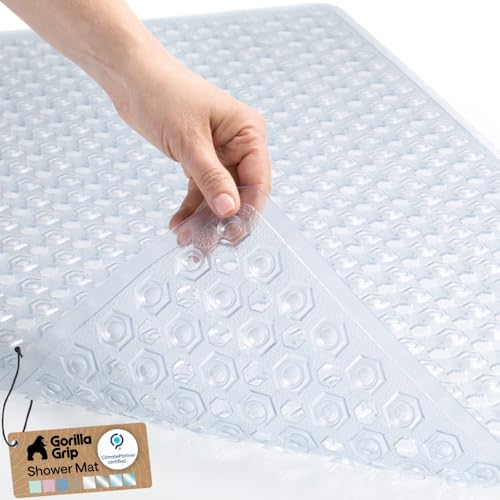
GORILLA GRIP Bath Tub Shower Mat, Bathtub Floor Liner, 35x16 Clear
- Patented Design with Suction Cups: Securely stays in place with powerful suction
- Easy Water Drainage: Drain holes prevent water pooling
- BPA-Free and Textured: Soft, pebble-textured surface for comfort
As an affiliate, we earn on qualifying purchases.

TEESHLY Bath Tub and Shower Mats, Non Slip 40 x 16 Inch Extra Large Bathtub Mat, Machine Washable Bathmat with Drain Holes, Suction Cups for Bathroom Floor, Gray
- Large Non-Slip Bath Mat: 40 x 16 inches with 362 suction cups
- Massage-Style Pebbled Design: Irregular textured surface for friction
- Optimized Drainage Holes: 327 large holes for water flow
As an affiliate, we earn on qualifying purchases.