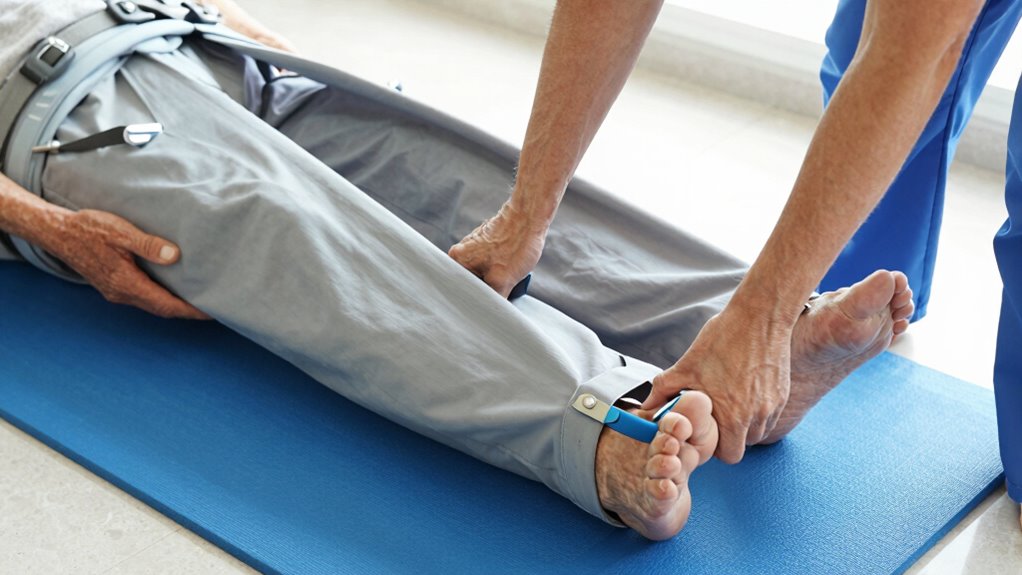

Using the right setup and proper training makes patient transfers safer and smoother. When you select the appropriate assistive devices, like sling or stand-assist lifts, you reduce risk of injury for both yourself and the patient. Correctly positioning the patient, inspecting equipment beforehand, and understanding safety protocols all contribute to confident, dignified transfers. With a strategic approach, you’ll prevent falls and strain. Keep exploring to learn how combining technology and training guarantees the safest, most respectful care.
Key Takeaways
- Proper setup ensures the right assistive device matches the patient’s mobility needs, reducing injury risks.
- Correct equipment condition and placement optimize safety during transfers.
- Proper positioning and body mechanics prevent staff injuries and enhance patient comfort.
- Staff training ensures safe device operation and adherence to safety protocols.
- Evaluating each patient’s needs beforehand creates a tailored, secure transfer process.
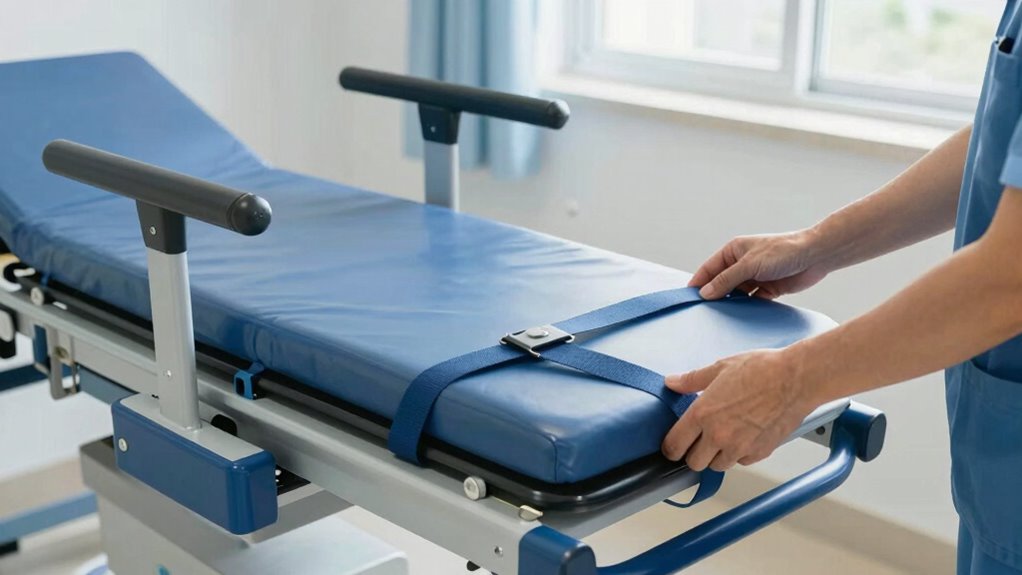
Have you ever wondered how healthcare providers safely move patients who have limited mobility? It all comes down to the right setup, which includes the effective use of assistive technology and thorough staff training. When you’re dealing with patient transfers, safety isn’t just about good intentions — it’s about ensuring the right tools and techniques are in place to protect both the patient and the caregiver.
Assistive technology plays an essential role in making transfers safer and more efficient. Patient lifts, for example, are designed to reduce physical strain and prevent injuries. These devices come in various forms, such as sling lifts and stand-assist lifts, tailored to different patient needs. By incorporating these tools, you can minimize the risk of falls or muscle strain, especially when moving patients with limited strength or balance. Properly chosen assistive technology not only makes transfers easier but also instills confidence in both staff and patients, ensuring procedures are smooth and secure. Additionally, selecting the appropriate lift requires understanding each patient’s specific mobility level and needs, which emphasizes the importance of individualized assessments and assistive technology.
However, technology alone isn’t enough. Staff training is equally significant. When you’re properly trained, you understand how to operate lifts safely, how to position patients correctly, and how to recognize signs of discomfort or distress during transfers. Training sessions should emphasize correct body mechanics, proper use of assistive devices, and adherence to safety protocols. This knowledge helps prevent accidents, reduces caregiver fatigue, and improves patient outcomes. It also fosters a culture of safety where everyone feels confident and competent. Incorporating ongoing training and education ensures staff stay current with best practices and new equipment updates. Moreover, understanding the contrast ratio of the equipment can help optimize the visual environment and ensure safety during transfers.
Combining assistive technology with thorough staff training creates a safer environment for everyone involved. When you’re familiar with the equipment and confident in your skills, transfers become more predictable and less stressful. This reduces the chance of injuries, such as strains or falls, and makes the entire process more dignified for the patient. Proper setup means evaluating each patient’s specific needs, selecting the right lift, and ensuring the equipment is in top condition before every transfer. Additionally, understanding the importance of patient safety and proper transfer techniques is crucial in reducing risks.
In essence, the safety of patient transfers depends on a strategic approach that leverages both the right assistive technology and well-trained staff. When you prioritize these elements, you’re not just moving patients — you’re creating a safer, more respectful environment that supports healing and dignity. The right setup makes all the difference, transforming potentially risky transfers into routine procedures performed with confidence and care.
Frequently Asked Questions
How Do I Choose the Right Patient Lift for Specific Needs?
You choose the right patient lift by considering comfort customization and mobility enhancement needs. Assess the patient’s weight, size, and mobility level to find a lift that offers adjustable features for comfort. Think about the environment and how easily the lift can be maneuvered. Selecting a lift with versatile attachments guarantees you improve mobility and provide safe, comfortable transfers, making the process smoother for both you and the patient.
What Training Is Required to Operate Patient Lifts Safely?
You need thorough staff training to operate patient lifts safely. This includes mastering proper lifting techniques, understanding weight limits, and safety protocols. Training ensures you handle lifts confidently and reduce risks for both yourself and the patient. Regular refreshers and hands-on practice are essential to stay proficient. By investing in proper staff training, you create a safer environment, making patient transfers smoother and more secure for everyone involved.
Are There Weight Limits for Different Types of Lifts?
Yes, there are weight limits for different types of lifts. You should always check the lift specifications, which include the weight capacity, before use. Exceeding these limits can be unsafe and cause equipment failure. Always verify the patient’s weight is within the lift’s specified capacity, and follow manufacturer guidelines closely. Properly evaluating weight limits helps prevent accidents and ensures a safe, secure transfer for both you and the patient.
How Often Should Patient Lifts Be Inspected or Maintained?
Like a trusty steed, your patient lift needs regular TLC. You should perform a lift inspection before each use and stick to a maintenance schedule recommended by the manufacturer. This guarantees safety and prevents breakdowns. Regular checks catch wear and tear early, keeping both caregivers and patients safe. Don’t forget—consistent inspections are key to maintaining the lift’s performance and longevity, just like any good piece of equipment.
Can Patient Lifts Be Used for Home Care Settings?
Yes, patient lifts can definitely be used for home care settings. They enhance home safety by reducing the risk of falls and injury during transfers. As a caregiver, you’ll find lifts make assistance easier and safer for both you and the patient. Proper setup and regular maintenance guarantee reliable performance, giving you confidence during transfers. Using a patient lift in your home promotes safer, more comfortable caregiving, especially for long-term needs.
Conclusion
Just as a skilled sailor relies on the right rigging to navigate treacherous waters, you need the proper setup to guarantee safe patient transfers. When you prioritize the right equipment and techniques, you’re not just preventing accidents—you’re building trust and confidence. Remember, the strength of a ship lies in its rigging; the safety of your patients depends on your preparation. With the right tools, you steer toward safer, smoother journeys every time.