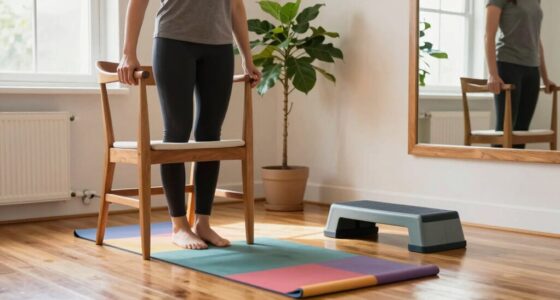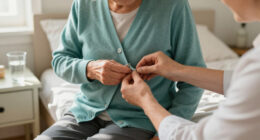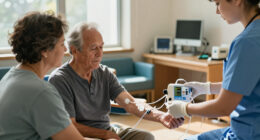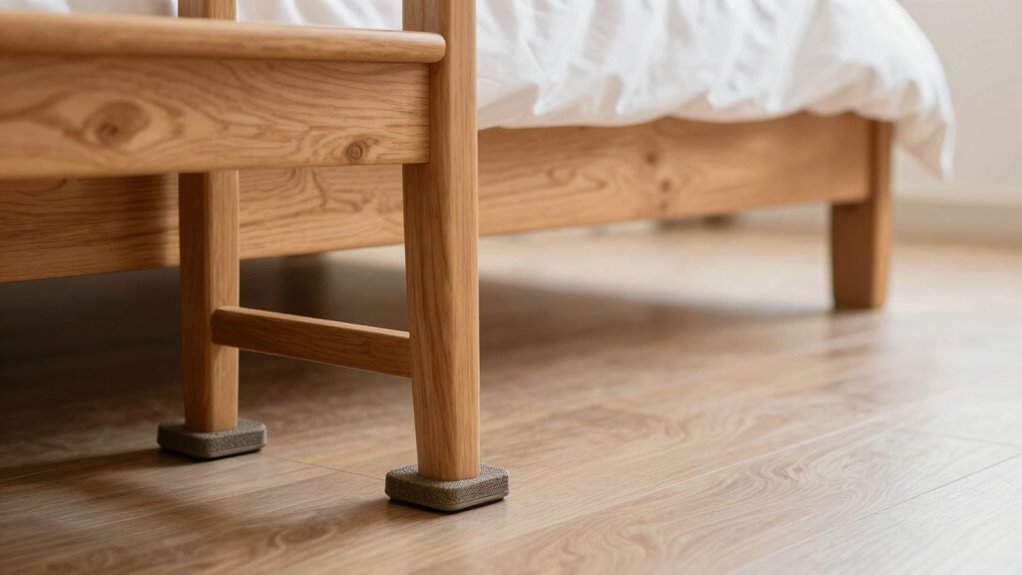
To make chair and bed exits more stable, sit upright with shoulders back, feet flat, and engage your core muscles. Use assistive devices like grab bars or transfer poles for extra support and guarantee they are within reach. Modify your environment by adjusting furniture height and keeping pathways clear. Practice slow, controlled movements, pushing through your heels and maintaining good posture. For more tips on safe transfers, you’ll discover ways to improve your stability throughout every step.

Get comfort and care essentials delivered free — and shop member deals
- Fast, free delivery on millions of items
- Access to Prime Big Deal Days deals on October 6–7
- Prime Video, Amazon Music and more included
Key Takeaways
- Ensure proper posture by sitting upright with shoulders back and feet flat before standing.
- Use assistive devices like grab bars or transfer poles positioned within easy reach.
- Modify the environment with raised surfaces or clear pathways to facilitate safer exits.
- Shift weight forward slowly and engage core muscles during transitions for stability.
- Wear footwear with good grip and practice consistent, mindful movement techniques.
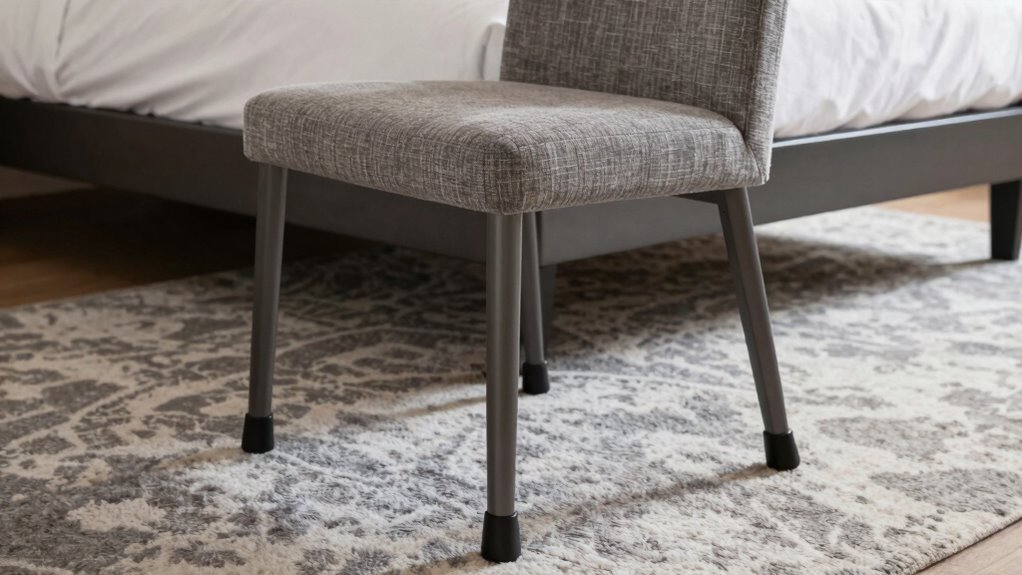
Exiting a chair or bed can be risky if stability isn’t properly maintained, especially for those with balance issues or limited strength. The key to safer transitions lies in proper posture correction and using assistive devices effectively. When you prepare to stand up, focus on sitting upright with your shoulders back and your feet flat on the floor. Maintaining good posture helps engage core muscles, providing better support and reducing the risk of losing your balance. Avoid slouching or leaning too far forward, which can shift your center of gravity and make standing more difficult.
Proper posture and assistive devices are key for safe, balanced transitions from sitting to standing.
Assistive devices play a vital role in improving stability during chair and bed exits. Tools like grab bars, transfer poles, or bedside rails offer additional support, giving you something solid to hold onto as you rise. Position these devices within easy reach before you attempt to stand, so you don’t have to stretch or reach awkwardly, which could compromise your balance. When using assistive devices, grip firmly and ensure they are securely anchored to prevent slipping or movement. Incorporating proper device placement can further enhance safety during transfers. Additionally, choosing devices that are suited to your specific needs and environment can maximize their effectiveness. Being aware of environmental modifications can also help create safer spaces for mobility.
Incorporating proper posture correction techniques can also make a significant difference. Engage your core muscles by slightly tightening your abdominal muscles as you shift your weight forward. This action stabilizes your spine and helps you rise smoothly. Keep your head aligned with your spine, and look straight ahead rather than downward, which maintains balance and prevents unnecessary strain. When standing up, push through your heels rather than your toes, as this distributes your weight evenly and gives you more control. Recognizing the importance of balance training can further improve your ability to stand safely and confidently. Using appropriate footwear can also enhance stability during transitions, as proper shoes with good grip reduce the risk of slipping. If your mobility allows, consider the use of raised surfaces like bed blocks or adjustable chairs. These modify the height of your sitting surface, reducing the effort needed to stand. When transitioning from sitting to standing, move slowly, and avoid rushing. Pause briefly at the upright position to ensure you’re stable before taking your first step. Take small, deliberate steps and keep your posture upright, with your shoulders back and chest open. Being mindful of your body mechanics during these movements can further reduce the risk of falls. Practicing these techniques consistently can boost your confidence and safety during chair and bed exits. Remember, the combination of proper posture correction, strategic use of assistive devices, and mindful movement creates a safer environment for you. Always listen to your body, and don’t hesitate to seek advice from healthcare professionals to tailor these tips to your specific needs. With practice and the right support, you can make your transitions more stable and reduce the risk of falls or injury.
As an affiliate, we earn on qualifying purchases.
Frequently Asked Questions
Are There Specific Exercises to Improve Stability During Transfers?
Yes, you can improve stability during transfers with specific exercises. Focus on balance training, like standing on one foot or heel-to-toe walks, to enhance your stability. Incorporate core strengthening exercises, such as seated marches or abdominal crunches, to support your transfers. Regular practice of these exercises can boost your confidence and safety, making chair and bed exits more stable and controlled.
How Do I Choose the Right Mobility Aids for Safety?
You should focus on assistive device selection that matches your specific needs. Consider mobility aid features like stability, weight, and ease of use. Test different options, such as walkers, canes, or grab bars, to see which feels most secure and comfortable. Consulting with a healthcare professional helps guarantee you choose the right device, improving safety during transfers and reducing fall risks. Always prioritize devices that support your balance and mobility.
What Signs Indicate a Need for Professional Assistance?
Studies show that falls are the leading cause of injury among seniors, highlighting the importance of recognizing when professional help is needed. You should seek assistance if you notice difficulty in balancing, frequent falls, or increased confusion. Home modifications and caregiver training can greatly improve safety. If these signs appear, don’t hesitate to contact professionals who can assess your situation and provide tailored support to prevent accidents and enhance stability.
Can Footwear Impact the Stability of Chair and Bed Exits?
Yes, footwear can impact the stability of your chair and bed exits. Choosing shoes with good footwear stability and appropriate shoe selection is essential. Look for shoes with non-slip soles, firm support, and a proper fit to prevent slipping or wobbling. Avoid loose or worn-out shoes, as they can compromise your balance. Proper footwear helps you maintain better grip and control, making your transfers safer and more secure.
How Often Should Safety Assessments Be Performed?
You should perform safety assessments regularly, ideally monthly, to guarantee residential safety and fall prevention. Frequent evaluations help identify hazards like loose rugs or clutter that could cause falls during chair or bed exits. By staying proactive with assessments, you reduce risks and create a safer environment. Always review the condition of footwear, flooring, and furniture stability during these checks, especially if residents have mobility challenges.
As an affiliate, we earn on qualifying purchases.
Conclusion
By taking these simple steps, you’ll turn unstable chair and bed exits into a secure, confident part of your daily routine. Remember, safety isn’t just about avoiding falls; it’s about maintaining your independence and dignity. Think of it like upgrading from a chariot to a sleek Tesla—the smoother and more stable your exits, the more you’ll enjoy your freedom. So, stay proactive and keep yourself safe—after all, even the bravest knights need a sturdy shield.
As an affiliate, we earn on qualifying purchases.
As an affiliate, we earn on qualifying purchases.
Halloween Picks
halloween
As an affiliate, we earn on qualifying purchases.