Entryways become risky faster than you notice because small hazards like water, clutter, or slick spots develop quickly and often go unnoticed. Moisture from rain or snow can create slippery surfaces over time, while clutter stacks up and blocks walkways. These hazards can turn dangerous suddenly, especially if you’re not paying close attention. Staying aware and acting quickly to clean and organize can help prevent accidents. Keep inspecting your space—there’s more to uncover about keeping entryways safe.

Turn quiet afternoons into listening time
- Thousands of audiobooks, podcasts and originals
- Listen on your phone, tablet or Echo — also offline
- Cancel anytime
Key Takeaways
- Moisture from rain or snow can create slippery surfaces gradually, often going unnoticed.
- Clutter and obstacles quickly accumulate, increasing tripping hazards without immediate awareness.
- Small spills or wet patches develop into dangerous slick spots over time.
- Routine checks and cleaning are often overlooked, allowing hazards to form unnoticed.
- People tend to focus on immediate tasks, missing subtle risks that develop in entryways.
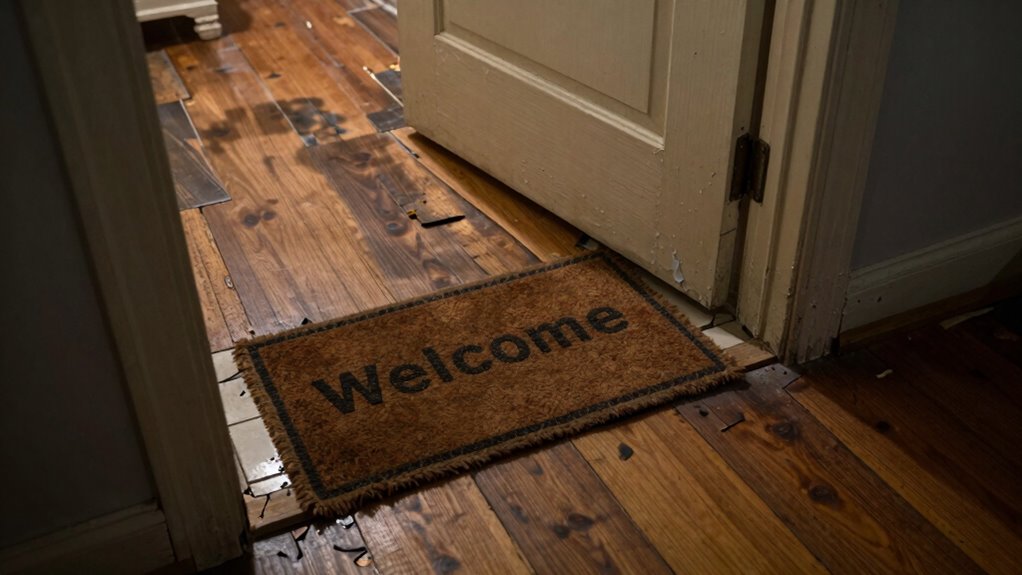
Entryways may seem safe at first, but their risks can escalate quickly without you noticing. It’s easy to assume that a clean, well-maintained entrance is harmless, but the reality is that hazards can develop in a matter of moments. One of the most common dangers lurking in this area involves slippery surfaces. Whether it’s a wet floor from rain tracked inside or a slick patch caused by melting snow, these surfaces can turn your entryway into a slip-and-fall accident waiting to happen. You might step in without thinking, and suddenly, your footing gives way, leading to injuries that could have been prevented with a simple warning or quick cleanup.
Entryways are deceptively risky, with slippery surfaces that can cause falls in moments. Stay alert and clean regularly.
Clutter hazards are another unseen threat that can make entryways risky faster than you realize. Shoes left haphazardly, umbrellas sprawled across the floor, or packages stacked in a narrow corridor all create obstacles that can trip you up. When your focus is elsewhere — perhaps you’re rushing or distracted — these clutter hazards become even more dangerous. It’s so easy to overlook the mess in the moment, but a small pile of shoes or a misplaced broom can be enough to cause a serious fall. Keeping the entryway clear isn’t just about tidiness; it’s an essential safety measure to prevent accidents.
What makes these risks particularly sneaky is how they often develop gradually. A few drops of water on the floor might seem insignificant, but over time, they create a slick surface that’s just waiting for someone to slip. Similarly, clutter can accumulate without immediate notice, especially if you’re in a hurry or don’t regularly tidy up. Without awareness, these hazards can catch you off guard, leading to injuries that could’ve been avoided with a quick cleanup or safety check. Regularly inspecting for hazardous conditions and paying attention to moisture levels can significantly reduce the chances of accidents occurring unexpectedly.
As you can see, entryways might look safe initially, but the combination of slippery surfaces and clutter hazards creates a dangerous environment that can deteriorate rapidly. Recognizing these risks and taking proactive steps—like drying floors promptly and keeping the space tidy—can save you from painful falls or other accidents. Staying alert to these subtle dangers ensures that your entryway remains a safe zone, not a hidden trap waiting to catch you off guard. Regular household safety checks can help identify potential hazards before they become accidents.
As an affiliate, we earn on qualifying purchases.
Frequently Asked Questions
How Often Should I Inspect My Entryway for Safety Hazards?
You should inspect your entryway for safety hazards at least once a season. Regular seasonal maintenance helps catch issues like loose tiles, worn-out rugs, or damaged steps early. Also, check your lighting improvements to guarantee the area’s well-lit, especially during darker months. Promptly addressing these hazards reduces risks and keeps your entryway safe. Consistent inspections help you maintain a secure, welcoming space for everyone coming and going.
What Are Common Signs of Structural Damage in Entryways?
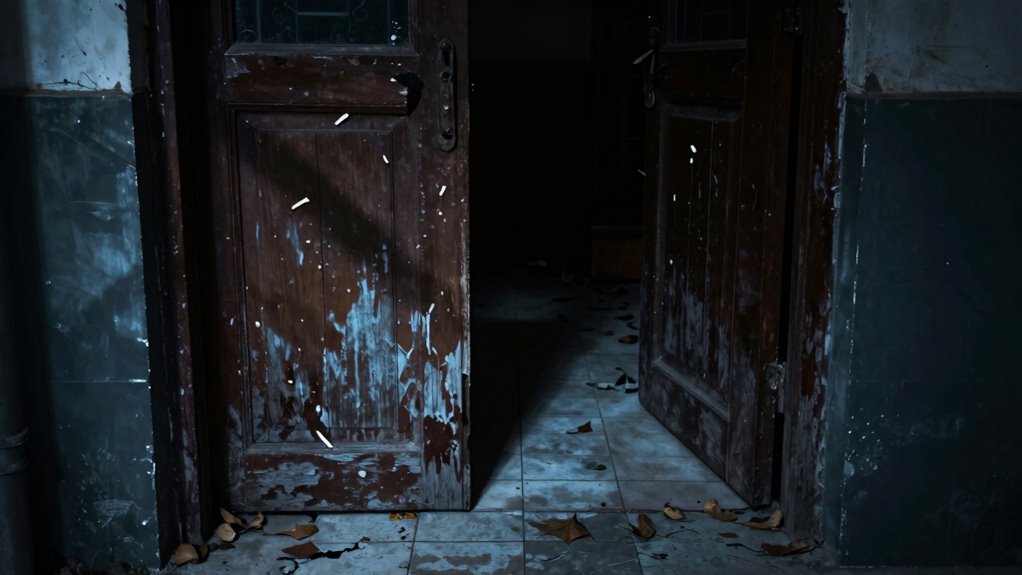
Imagine opening your door to find it jiggling in its frame—this is a sign of structural damage. Common signs include door frame cracks and entryway moisture, which weaken the structure over time. You might notice paint peeling or warping around the door. These signs indicate hidden issues, so inspecting for cracks and moisture regularly helps catch problems early before they become dangerous.
Are There Specific Materials That Deteriorate Faster in Entryways?
Certain materials in your entryway deteriorate faster due to weather-related wear and material corrosion. For instance, wood can rot and warp when exposed to moisture and humidity, while metal components like iron or steel are prone to rust from rain and snow. Additionally, rubber and plastic parts may crack or degrade over time with temperature fluctuations. Regular inspections help you catch these issues early, preventing potential safety hazards.
How Can I Prevent Common Entryway Accidents?
Imagine your entryway as the gateway to safety—bright, secure, welcoming. You can prevent accidents by ensuring proper entryway lighting, so dark corners don’t hide hazards. Install motion sensors or brighter bulbs to keep the area well-lit. Additionally, reinforce door security with sturdy locks and clear pathways, removing clutter that can cause trips. Regularly inspect the space, and you’ll create a safer, more inviting entrance for everyone.
What Safety Upgrades Are Most Effective for Entryways?
You should prioritize lighting improvements and security enhancements to make your entryway safer. Install bright, motion-activated lights to eliminate dark spots where accidents may occur. Add sturdy locks, security cameras, and an intercom system to deter intruders and increase safety. These upgrades help you quickly spot hazards and prevent unauthorized access, greatly reducing risks. Combining good lighting with security features creates a safer, more secure entryway for everyone.
entryway shoe storage bench with hooks
As an affiliate, we earn on qualifying purchases.
As an affiliate, we earn on qualifying purchases.
Conclusion
Your entryway is like a quiet guardian, silently aging and weakening beneath the surface. Before you realize it, cracks and hazards have taken root, turning a welcoming threshold into a treacherous trap. Stay vigilant, inspect regularly, and nurture this essential passage—lest its silent decay catch you unaware. Because, in the dance of safety, the tiniest overlooked step can lead to a fall you never saw coming, turning comfort into chaos in the blink of an eye.
As an affiliate, we earn on qualifying purchases.
As an affiliate, we earn on qualifying purchases.
Fall Picks
fall essentials
As an affiliate, we earn on qualifying purchases.