
When choosing a home oxygen concentrator, ask about its portability features, like size, weight, and battery life, to guarantee your loved one can maintain independence. Check safety aspects, especially power cord safety and routine maintenance needs, to prevent hazards. Inquire about the device’s ease of use and service options to keep it functioning reliably. Staying informed about safety, maintenance, and device capabilities will help you provide the best care possible—more important details await you.

Turn quiet afternoons into listening time
- Thousands of audiobooks, podcasts and originals
- Listen on your phone, tablet or Echo — also offline
- Cancel anytime
Key Takeaways
- Inquire about the device’s portability features, including size, weight, and battery life, to ensure it meets mobility needs.
- Ask about safety protocols, especially regarding power cord safety and electrical hazard prevention.
- Confirm maintenance requirements, such as filter cleaning, hardware checks, and service schedules.
- Discuss warranty coverage, availability of replacement parts, and ease of device maintenance.
- Ensure the device provides consistent oxygen delivery and inquire about self-diagnostic features and performance monitoring.

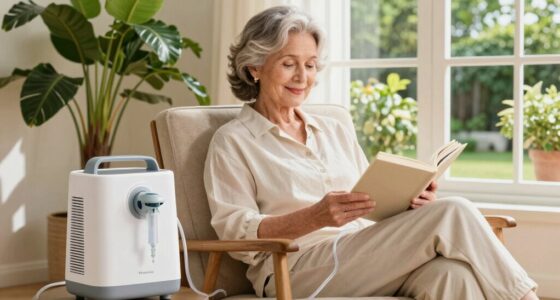
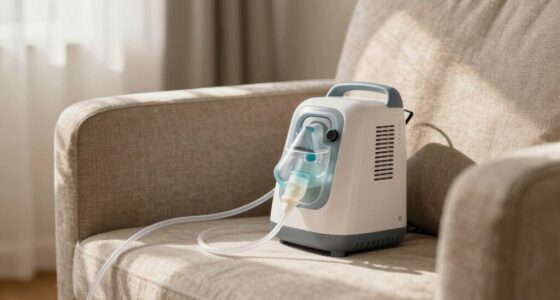
Have you ever considered how oxygen concentrators can improve quality of life for those with respiratory issues? These devices provide a steady flow of oxygen, helping individuals breathe easier and stay active at home. If you’re a caregiver exploring options, understanding the features and upkeep of these machines becomes essential. One key aspect is portable features. Modern oxygen concentrators are designed with portability in mind, allowing users to move freely within their homes or even take short trips outside. Some models come with lightweight frames, carry cases, or wheels, making transportation less of a chore. Before choosing a device, ask about its size, weight, and battery life. A portable concentrator with longer battery life means more independence for your loved one, enabling them to participate in daily activities without feeling tethered to a wall outlet. Additionally, considering power cord safety is important, especially in environments where electrical hazards could pose risks. Regular checks of electrical components can help prevent potential issues and ensure safe operation. Proper device usage and following safety protocols are essential to prevent accidents and ensure continuous, safe oxygen delivery.
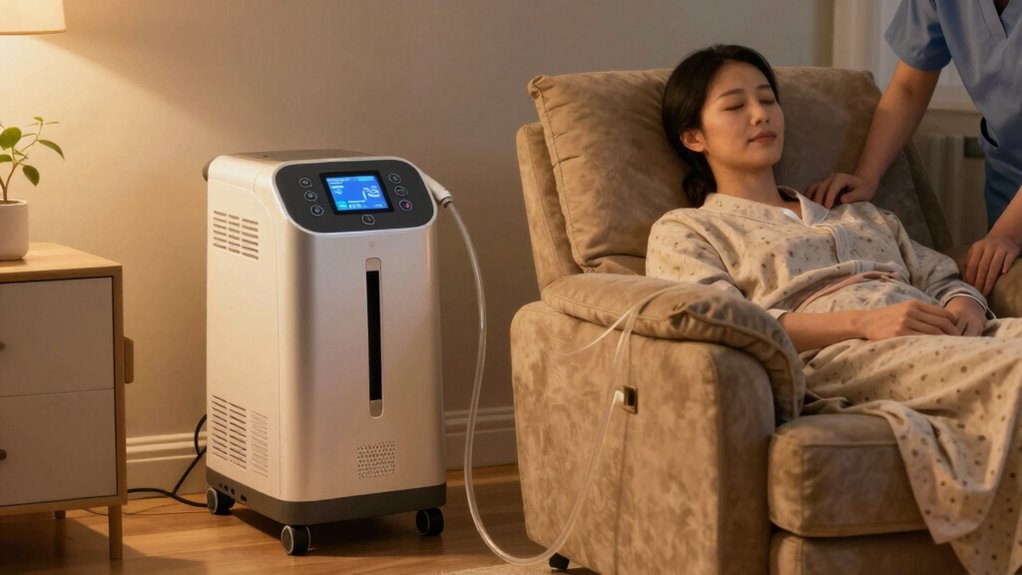
Equally important are maintenance tips. Proper upkeep guarantees the concentrator runs efficiently and prolongs its lifespan. Regular cleaning of filters and checking for any blockages help maintain excellent oxygen output. You should inquire about how often filters need replacement and whether the device has self-diagnostic features that alert you to potential issues. Keep in mind that dust, pet hair, and other debris can clog filters, so routine cleaning is a must. Additionally, always follow the manufacturer’s guidelines for power cord inspections and general hardware checks. If your loved one uses a portable device, ensure batteries are charged correctly and replaced when they no longer hold a charge. Routine maintenance plays a crucial role in ensuring safety and optimal performance. Ensuring proper device operation can prevent unexpected malfunctions and extend the lifespan of the concentrator. Proper maintenance not only guarantees safety but also reduces the risk of unexpected breakdowns, which can be inconvenient or even dangerous. Moreover, staying informed about latest technological advancements can help you identify newer features that enhance usability and safety.
When considering an oxygen concentrator for home use, ask about the ease of maintenance and whether replacement parts are readily available. Some models come with user-friendly features, making routine tasks manageable without professional help. It’s also wise to discuss service schedules and warranty coverage to avoid surprises down the line. Keep records of maintenance activities and any repairs, so you’ll have a clear history should troubleshooting be needed. Remember, a well-maintained concentrator provides consistent oxygen delivery, which is essential for health and comfort. By asking about portable features and maintenance tips upfront, you’ll be better equipped to select a device that fits your loved one’s lifestyle and ensures reliable, safe operation. This proactive approach helps foster confidence in managing their respiratory health at home.
portable oxygen concentrator with long battery life
As an affiliate, we earn on qualifying purchases.
As an affiliate, we earn on qualifying purchases.
Frequently Asked Questions
How Long Can a Home Oxygen Concentrator Run Continuously?
A home oxygen concentrator can typically run continuously for 24 hours a day, depending on the device’s oxygen flow settings and maintenance. You should regularly check the device’s lifespan and guarantee it’s functioning properly, as continuous use can affect its longevity. Proper upkeep, like replacing filters and servicing, helps maintain peak performance, so always follow the manufacturer’s guidelines to keep your concentrator running smoothly.
Are There Portable Oxygen Concentrators Suitable for Travel?
Think of portable oxygen concentrators as your travel companions—they’re designed for mobility and convenience. Yes, many models are travel-compatible, fitting easily into your bag. For example, some offer battery lives of up to 8 hours, ensuring you stay powered through sightseeing or flights. Always check the device’s weight, battery life, and travel regulations to make sure it fits your needs, so your journey stays smooth and oxygen needs are met.
What Maintenance Is Required for Home Oxygen Concentrators?
You should regularly maintain your home oxygen concentrator by replacing filters as recommended—usually every few months—to guarantee ideal air quality. Keep an eye on device calibration, and have it checked periodically by a professional to maintain accurate oxygen levels. Additionally, clean the exterior and check for any signs of wear or damage. Proper maintenance not only extends the device’s lifespan but also ensures safety and reliable oxygen delivery.
Can Oxygen Concentrators Be Used Outdoors?
Did you know that over 30% of oxygen concentrator users consider outdoor use? Yes, you can use oxygen concentrators outdoors, but you should prioritize outdoor ventilation and weather considerations. Extreme temperatures, humidity, and direct sunlight can impact their performance and safety. Always check the manufacturer’s guidelines, avoid exposing the device to rain or snow, and guarantee proper ventilation to prevent overheating and maintain oxygen quality.
What Are the Safety Precautions for Using Oxygen Concentrators at Home?
You should always prioritize oxygen safety by keeping the concentrator in a well-ventilated area away from heat sources and open flames. Make certain electrical hazards are minimized by using the proper outlet, avoiding extension cords, and checking for damaged cords or plugs. Regularly inspect the device, keep it clean, and follow the manufacturer’s instructions. Never block airflow vents, and keep the device away from water to prevent accidents and guarantee safe, effective use.
home oxygen concentrator safety features
As an affiliate, we earn on qualifying purchases.
As an affiliate, we earn on qualifying purchases.
Conclusion
Before bringing an oxygen concentrator home, ask the right questions—like keys opening a smooth journey. Let your curiosity be the compass guiding you through choices that breathe life into care. Remember, this device isn’t just a machine; it’s a steady rhythm in your loved one’s daily dance. With knowledge as your shield, you’ll navigate the path with confidence, turning uncertainty into a steady, calming stream of support that flows with love and understanding.
oxygen concentrator with self-diagnostic alerts
As an affiliate, we earn on qualifying purchases.
As an affiliate, we earn on qualifying purchases.
lightweight portable oxygen machine
As an affiliate, we earn on qualifying purchases.
As an affiliate, we earn on qualifying purchases.
Fall Picks
fall essentials
As an affiliate, we earn on qualifying purchases.