
Lower hospital beds are a key part of fall prevention because they reduce injury risks by positioning patients closer to the floor, making it easier and safer for them to get in and out. When beds are at the right height, you can also add safety features like side rails and alarms for extra protection. This simple change supports patient independence and comfort. Keep exploring how other strategies can enhance safety and care outcomes.
Open a free Amazon Business account
Business pricing, bulk buying and tax-exempt orders.
As an affiliate, we earn on qualifying purchases.
Key Takeaways
- Lower beds reduce fall height, minimizing injury severity during accidental falls.
- Proper bed height, combined with safety features like side rails and alarms, enhances fall prevention.
- Easier patient access from low beds promotes safer mobility and reduces risk during transfers.
- Lower beds support ergonomic care, decreasing caregiver fatigue and reducing handling injuries.
- Implementing low beds as part of a comprehensive fall prevention strategy improves overall safety outcomes.

Moreover, low beds support a safer environment overall. When patients are closer to the floor, the severity of injuries from accidental falls decreases, which is especially important for older adults or those with compromised balance. You can also integrate additional fall prevention measures, such as side rails or alarms, more effectively with low beds, further reducing risks. The design encourages patients to make safer movements, knowing they won’t have far to fall if they stumble. Additionally, choosing the right bed height can influence overall safety and patient mobility. Incorporating fall prevention strategies with low beds can further enhance patient safety and reduce injury rates. Research shows that natural design elements in healthcare settings can promote a calmer environment and support recovery.
In terms of patient comfort, being able to sit, lie, or get out of bed at a lower height can make a big difference in their overall experience. It fosters independence and confidence, which are crucial for mental well-being and recovery. Plus, with the bed at a comfortable height, you can provide care more comfortably, whether administering medication, assisting with hygiene, or helping with mobility exercises. A well-designed safe environment is essential to support both patient and caregiver needs effectively. When incorporating ergonomic principles, care providers can further reduce fatigue and injury risks during daily tasks.
Ultimately, low hospital beds are a smart choice for patient safety and staff efficiency. They make a real difference in reducing fall risks, improving comfort, and supporting ergonomic care practices. When every detail counts in healthcare, choosing the right bed height is a simple yet powerful step toward better outcomes for everyone involved.
hospital bed with adjustable height
As an affiliate, we earn on qualifying purchases.
As an affiliate, we earn on qualifying purchases.
Frequently Asked Questions
Are Low Hospital Beds Suitable for All Patients?
Low hospital beds aren’t suitable for all patients, especially those with limited mobility or specific medical needs. While they improve patient comfort and reduce fall risks, you need to take into account staff accessibility and the patient’s condition. For patients who require more support or have difficulty transferring, higher beds might be necessary. Always assess individual needs to ensure safety, comfort, and proper care, balancing bed height with overall safety strategies.
How Do I Choose the Right Height for a Low Hospital Bed?
Like Goldilocks seeking the perfect fit, you want a bed height that feels just right. To choose the right height, consider bed height customization options that match your patient’s mobility and comfort needs. Focus on ergonomic design, ensuring the bed’s height supports safe transfers and minimizes fall risks. Adjust the bed to a level where patients feel stable and secure, balancing accessibility with safety seamlessly.
What Safety Features Are Included in Modern Low Hospital Beds?
Modern low hospital beds include safety features like bedside alarms that alert staff if a patient tries to get out unassisted, reducing fall risks. They also have anti-slip surfaces on the bed and surrounding areas, providing extra grip and stability. These features work together to enhance patient safety, allowing you to respond quickly if a fall or injury risk arises, ensuring a secure and supportive environment.
Can Low Hospital Beds Be Adjusted for Different Patient Needs?
Imagine your bed transforming into a tailor-made throne for each patient—that’s how adjustable low hospital beds work. You can customize the bed height to guarantee maximum patient comfort and safety, making it easy to get in and out. This adaptability not only boosts comfort but also minimizes fall risks. Essentially, these beds are designed for personalized care, providing the perfect height for every individual’s unique needs.
How Do Low Hospital Beds Affect Patient Mobility and Independence?
Low hospital beds enhance patient mobility and independence by making it easier for you to get in and out of bed safely. They improve patient comfort, reducing strain and discomfort during transfers. Additionally, their height level allows caregivers to access patients more easily, promoting better assistance and safety. Overall, these beds support your autonomy and comfort, while also enabling caregivers to provide effective, accessible care without risking falls or injuries.
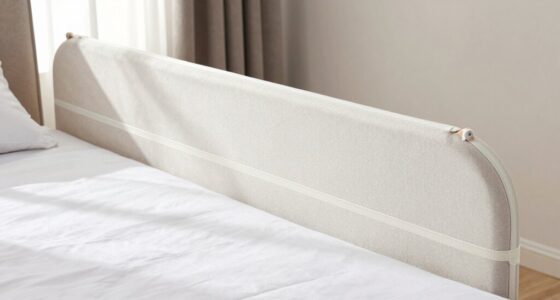
low hospital bed with side rails
As an affiliate, we earn on qualifying purchases.
As an affiliate, we earn on qualifying purchases.
Conclusion
By choosing low hospital beds, you’re taking a proactive step toward fall prevention right at the bed level. It’s a simple change that can make a big difference in patient safety. Remember, a little precaution goes a long way, and when you prioritize safety, you’re not just avoiding falls—you’re protecting lives. So, don’t wait for trouble to knock on your door; get ahead of it and make safety your top priority.
fall prevention hospital bed alarms
As an affiliate, we earn on qualifying purchases.
As an affiliate, we earn on qualifying purchases.
electric adjustable hospital bed
As an affiliate, we earn on qualifying purchases.
As an affiliate, we earn on qualifying purchases.
Fall yard work Picks
leaf blowers
As an affiliate, we earn on qualifying purchases.