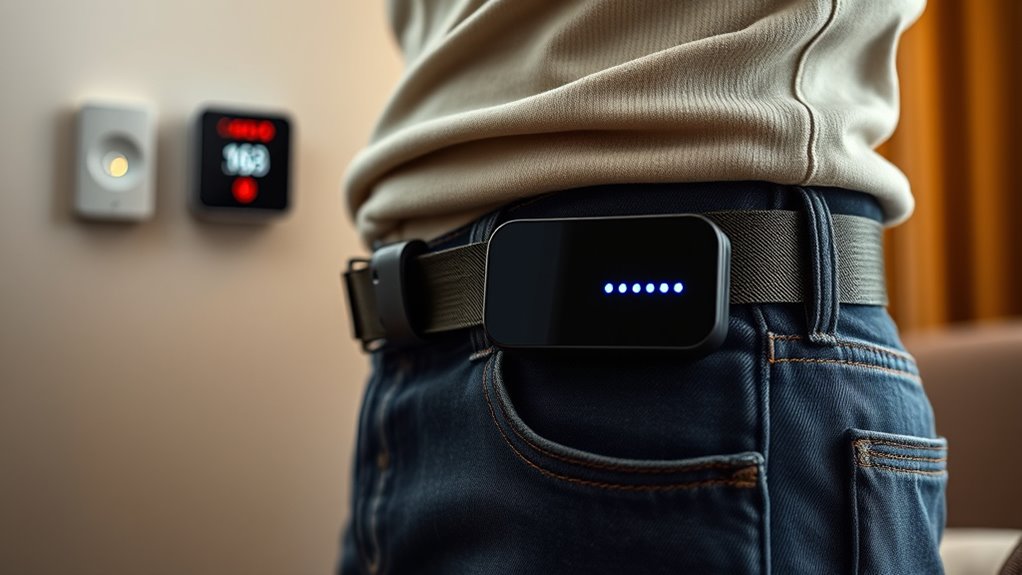

Fall detection technology uses smart sensors like accelerometers and gyroscopes to identify sudden movements typical of falls. These sensors trigger alarms that notify you or emergency services instantly, often with GPS for quick location tracking. Many systems also include two-way voice communication for reassurance. They work automatically, providing continuous safety without manual input. If you want to discover how these innovative alarms and sensors can protect your loved ones, there’s more to explore.
Key Takeaways
- Wearable devices with accelerometers and gyroscopes detect sudden movements indicative of falls.
- Automatic emergency alerts notify caregivers or emergency services immediately after a fall.
- GPS tracking helps locate individuals quickly, especially for those with wandering tendencies.
- Two-way voice communication enables direct contact with responders during emergencies.
- Additional features like portable power ensure device functionality during power outages for continuous safety.
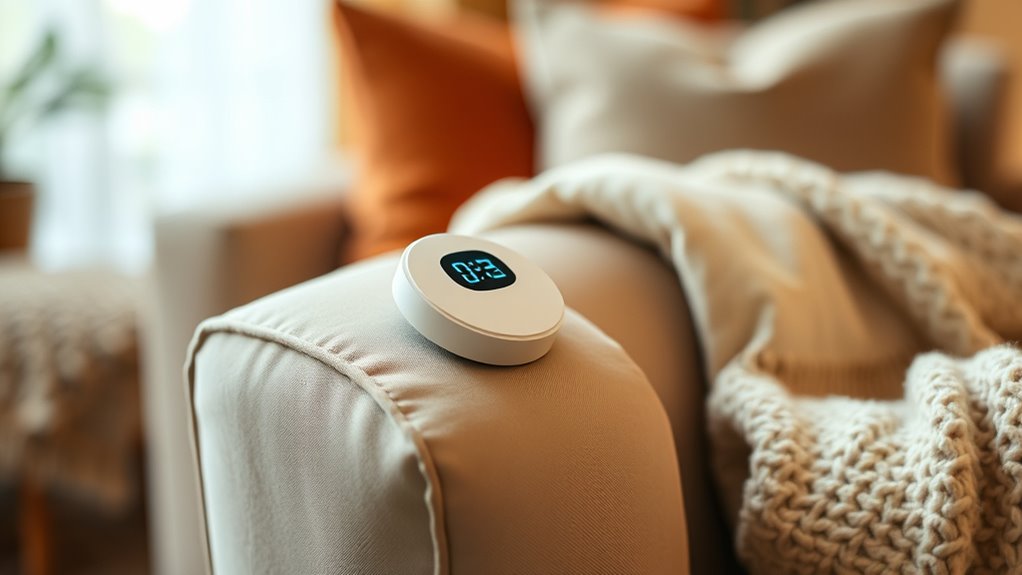
Fall detection technology has become an indispensable tool in guaranteeing safety for vulnerable populations, especially seniors. If you’re caring for an aging loved one or a friend who lives alone, understanding how wearable devices and emergency alerts work can give you peace of mind. These smart sensors are designed to recognize when a fall occurs and automatically notify you or emergency services, helping guarantee prompt assistance.
When you choose wearable devices, you’re opting for a discreet, portable solution that your loved one can wear comfortably throughout the day. These devices are equipped with accelerometers and gyroscopes that monitor movement patterns constantly. If a fall is detected—whether it’s a sudden drop or an unusual motion—the device springs into action by sending an immediate alert. This alert can be sent through a connected smartphone app or directly to a monitoring center, depending on the device’s capabilities. The key advantage of wearable devices is their ability to provide real-time data, guaranteeing that no fall goes unnoticed, even if the person is unable to call for help themselves.
Emergency alerts are at the core of fall detection technology. Once a fall is identified, these alerts are triggered automatically, bypassing the need for the individual to press a button or take any action. This feature is essential because, after a fall, the person may be injured or disoriented, making communication difficult. With emergency alerts, the system notifies family members, caregivers, or emergency services instantly. Some devices also include two-way voice communication, allowing the person on the ground to speak with responders directly, which can be critical if they need help but are unable to reach a phone. The speed and reliability of these alerts can be lifesaving, especially in cases where a fall results in serious injury or immobilization.
Many modern fall detection systems also integrate GPS tracking, so you can locate your loved one quickly if they wander or get lost after a fall. This feature adds an extra layer of security, particularly for individuals with cognitive impairments such as dementia. Additionally, some systems offer customizable settings, allowing you to tailor alerts based on your loved one’s specific needs or health conditions. Incorporating portable power solutions ensures that these devices remain functional during power outages or extended use periods, further enhancing safety and reliability.
Frequently Asked Questions
How Do Fall Detection Devices Differentiate Between Falls and Normal Activities?
Fall detection devices use motion sensors and activity recognition to tell falls from normal activities. They analyze patterns like sudden acceleration, changes in orientation, and impact forces. When sensors detect rapid, unusual movements that match fall profiles, the system triggers an alarm. Regular activities don’t produce these sharp, distinctive signals, so the device can effectively distinguish between a fall and everyday movements, ensuring timely assistance.
What Is the Average Battery Life of Popular Fall Detection Sensors?
Most popular fall detection sensors offer a battery longevity of about 6 to 12 months on a single charge or battery replacement. This device lifespan varies depending on usage, model, and features. To make certain of continuous protection, you should regularly check and maintain the device’s battery status. Choosing a sensor with longer battery life helps minimize maintenance and guarantees your loved one stays safeguarded without interruptions.
Are Fall Detection Alarms Suitable for Outdoor Use?
Yes, fall detection alarms can be suitable for outdoor use if they feature outdoor durability and weather resistance. You should look for alarms specifically designed to withstand elements like rain, dust, and extreme temperatures. These features ensure the device remains functional during outdoor activities, providing reliable protection. Always check the product specifications to confirm it’s built for outdoor environments, giving you peace of mind when your loved one is outside.
How Quickly Do Fall Alarms Notify Caregivers or Emergency Services?
Think of fall alarms as your loved one’s guardian angel, swiftly alerting emergency response teams. They typically notify caregivers or emergency services within seconds to a minute after a fall is detected. Response times vary depending on the device and network quality, but most are designed for rapid emergency response. This quick action helps guarantee your loved one gets the help they need without delay, providing peace of mind for you.
Can Fall Detection Tech Be Integrated With Existing Home Automation Systems?
Yes, fall detection tech can be integrated with your existing home automation systems. Many modern devices offer smart home integration and are compatible with popular automation platforms, allowing you to connect alarms and sensors seamlessly. This compatibility enables you to automate alerts, control devices remotely, and customize responses, providing an all-encompassing safety network. Just ensure your fall detection system supports automation compatibility for smooth integration into your home setup.
Conclusion
With fall detection tech becoming more advanced, you can stay confident that your loved ones are safer than ever. Did you know that falls are the leading cause of injury among seniors, accounting for about 32,000 deaths annually? By using smart sensors and alarms, you’re not just investing in technology; you’re providing peace of mind and timely help in emergencies. Embrace these innovations to protect those you care about most, every step of the way.