

To help a senior with arthritis manage stiff joints and pain, encourage safe, low-impact exercises like walking or swimming, and make certain they maintain a healthy weight to reduce joint stress. Adjust their environment with grab bars, non-slip mats, and ergonomic furniture for safety and comfort. Use medications as prescribed, and incorporate heat or cold therapy to soothe discomfort. Supporting their mental health with social activities can also boost well-being—continue exploring effective strategies to improve their quality of life.

Turn quiet afternoons into listening time
- Thousands of audiobooks, podcasts and originals
- Listen on your phone, tablet or Echo — also offline
- Cancel anytime
Key Takeaways
- Encourage gentle, low-impact exercises like walking and swimming to reduce stiffness and improve mobility.
- Use heat or cold therapy and supportive devices to manage pain and inflammation effectively.
- Maintain a healthy weight to lessen joint stress and prevent further joint damage.
- Create a safe, ergonomic home environment with grab bars and proper lighting to prevent falls and injuries.
- Foster emotional well-being through social activities, relaxation techniques, and mental health support to combat depression and frustration.
Understanding Arthritis and Its Impact on Seniors
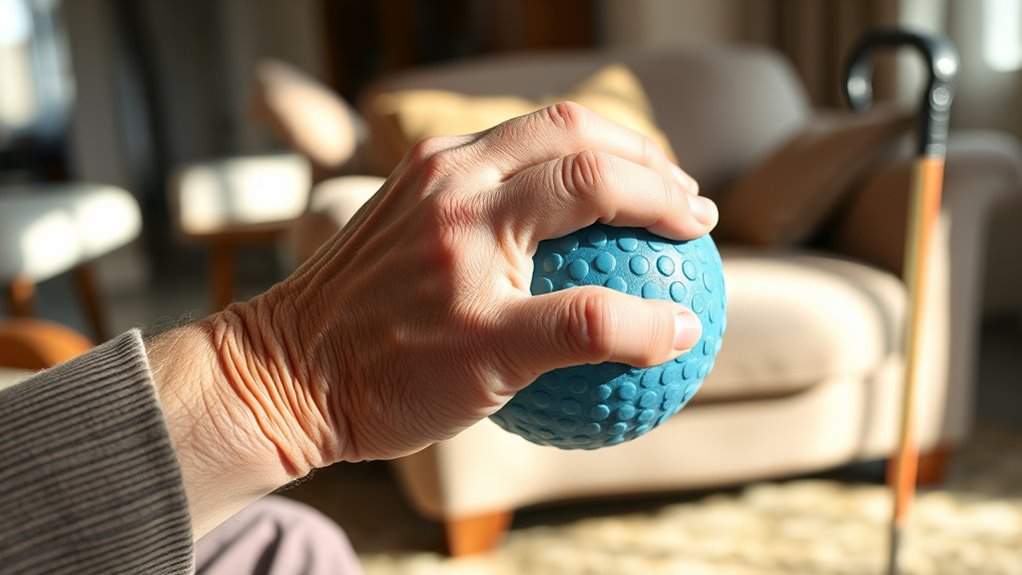
Have you ever wondered how arthritis affects older adults? It’s a common condition that increases with age, impacting over half of those aged 75 and older. Women are more likely to develop arthritis than men, and rural areas tend to have higher rates. This disease doesn’t just cause joint pain; it can lead to disability, reducing mobility and independence. Arthritis often affects daily activities, making routine tasks challenging. It’s also linked with mental health issues like depression, especially in seniors who experience persistent pain. Many older adults live with underdiagnosed or undertreated arthritis, which worsens their quality of life. Understanding how widespread and impactful arthritis is helps you better support seniors in managing their condition and maintaining their well-being. Additionally, high-quality home therapy equipment can be beneficial in providing relief and improving mobility for those affected. Recognizing arthritis management strategies is essential for improving daily living and overall health outcomes. Furthermore, incorporating telehealth services can enhance access to specialized care for seniors with mobility limitations. Addressing holistic wellness approaches can also play a significant role in managing symptoms and improving quality of life. Utilizing proper mobility aids and adaptive tools can further help maintain independence and reduce joint strain.
Recognizing Common Signs and Symptoms of Arthritis Pain

Recognizing the signs and symptoms of arthritis pain is essential for early detection and effective management. You might notice joint stiffness, especially after periods of inactivity or in the morning, lasting for 30 minutes or more. Persistent joint swelling, warmth, or tenderness can also signal inflammation. Look for decreased range of motion or difficulty moving certain joints, like the knees, hips, or fingers. You may experience sharp or aching pain during activity or even at rest. Changes in joint appearance, such as deformities or redness, are common signs. Keep an eye on these symptoms and note when they worsen or interfere with daily routines. Early recognition allows you to seek treatment sooner, helping to reduce pain and prevent further joint damage. Additionally, understanding how AI ethics influence healthcare decisions can improve management strategies for arthritis. Being aware of joint health is also crucial for maintaining mobility and reducing discomfort over time, especially when considering piercings or other body modifications that might affect joint areas. Paying attention to water-based therapies, like hydrotherapy, can also offer relief and improve joint function. Recognizing the impact of stress on inflammation may further aid in managing symptoms effectively.
Encouraging Safe and Effective Physical Activity

How can seniors with arthritis stay active safely and effectively? It’s essential to find activities that improve mobility without causing pain or injury. Start slow and listen to your body, stopping if you experience discomfort. Choose low-impact exercises like walking, swimming, or gentle stretching to protect your joints. Incorporate consistent movement into your routine to reduce stiffness and boost mood. To help you stay motivated, consider:
- Celebrating small victories in your activity goals
- Connecting with others in arthritis support groups
- Using assistive devices for added stability
- Setting a daily schedule for gentle exercise
- Focusing on activities you enjoy to stay engaged
Managing Weight to Reduce Joint Strain

Carrying excess weight puts extra stress on your joints, making arthritis symptoms worse. By adopting healthy eating habits and staying active, you can help reduce this strain and improve your mobility. Managing your weight effectively is a key step toward easing joint pain and maintaining independence.
Impact of Excess Weight
Excess weight puts additional stress on joints, especially in the hips, knees, and ankles, which are commonly affected by arthritis. This extra load accelerates cartilage breakdown, increases inflammation, and worsens pain. When you carry more weight, you’re more likely to experience:
- Greater difficulty walking or climbing stairs
- Increased joint swelling and stiffness
- Higher risk of joint damage and deformity
- Reduced mobility and independence
- Elevated chances of needing surgery or medical intervention
Losing even a small amount of weight can markedly reduce joint strain and improve your loved one’s comfort. It can also slow the progression of arthritis, helping them stay active and maintain a better quality of life. Every step toward healthier weight makes a meaningful difference in managing pain and preserving function.
Healthy Eating Strategies
Eating healthy is a vital step in managing weight and reducing joint strain for seniors with arthritis. Focus on nutrient-rich foods that support joint health and keep inflammation in check. Incorporate plenty of vegetables, fruits, lean proteins, and whole grains into your diet. Limit processed foods, sugar, and saturated fats, which can worsen inflammation. Portion control helps prevent overeating and weight gain, easing pressure on your joints. Here’s a simple overview:
| Food Group | Benefits | Tips |
|---|---|---|
| Vegetables | Reduce inflammation, fiber | Aim for colorful varieties |
| Lean Proteins | Support muscle and joint health | Include fish, chicken |
| Whole Grains | Maintain energy, control weight | Choose oats, brown rice |
Healthy eating supports weight management, easing joint strain, and improving quality of life. Incorporating anti-inflammatory foods can further enhance joint comfort and reduce pain, especially when combined with other joint-friendly practices. Paying attention to dietary choices is an essential part of a comprehensive approach to managing arthritis symptoms. Additionally, maintaining a balanced diet can help improve overall mobility and promote better joint function over time. Engaging in regular physical activity and staying hydrated are additional key strategies to support joint health effectively.
Exercise and Weight Loss
Have you considered how losing even a small amount of weight can considerably reduce joint strain and improve mobility? Shedding excess pounds eases pressure on your joints, helping you move more comfortably and lowering pain. Small lifestyle changes can make a big difference: affiliate relationships can provide access to helpful resources and support throughout your weight loss journey.
- Feel confident walking without pain or stiffness
- Regain independence in daily activities
- Reduce inflammation and swelling
- Improve your overall mood and energy
- Prevent further joint damage and disability
Exploring Pain Relief Options and Medications

What are the most effective pain relief options for seniors with arthritis? You have several choices, including medications and topical treatments. Acetaminophen is often the first-line drug due to its safety profile. NSAIDs like ibuprofen can reduce inflammation but may cause gastrointestinal issues or kidney problems, so use with caution. Topical agents such as capsaicin or diclofenac gels target pain directly and minimize systemic effects. Here’s a quick comparison:
| Medication Type | Benefits | Risks |
|---|---|---|
| Acetaminophen | Safe, effective for mild pain | Liver damage at high doses |
| NSAIDs | Reduce inflammation and pain | Gastrointestinal, kidney risks |
| Topical Agents | Target pain locally | Skin irritation |
Incorporating connected fitness devices into daily routines can also help seniors monitor joint health and activity levels, complementing medication strategies. Always consult your healthcare provider before starting or changing medications. Pain management strategies can also include physical therapy and lifestyle modifications to support joint health.
Incorporating Supportive Therapies and Modalities
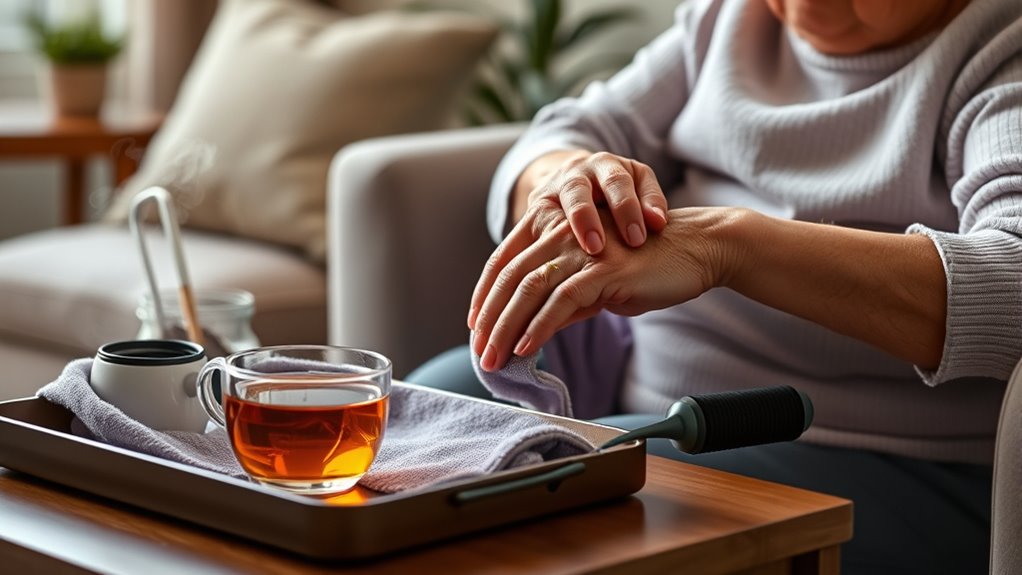
Supporting seniors with arthritis involves integrating therapies like physical therapy, which can improve mobility and reduce pain. You can also explore complementary modalities such as acupuncture or massage to help manage discomfort. Additionally, addressing mental health through psychological support strategies can boost overall well-being and treatment outcomes. Creating a comfortable home environment with ergonomic furniture and supportive home office setups can further enhance comfort and aid in managing arthritis symptoms effectively. Using wellness devices like heated pads or gentle vibration tools at home may also provide additional relief.
Physical Therapy Benefits
Physical therapy offers significant benefits for seniors with arthritis by improving joint function, reducing pain, and enhancing mobility. With targeted exercises and manual techniques, you can regain strength and flexibility, making daily tasks easier. Physical therapy also helps prevent further joint damage and reduces stiffness, allowing you to move more freely. As you work with a skilled therapist, you’ll gain confidence in managing pain and maintaining independence.
Consider these emotional benefits:
- Rediscovering the joy of simple movements
- Gaining hope for better days
- Reclaiming your independence
- Feeling empowered to stay active
- Building resilience against setbacks
Complementary Pain Modalities
Have you considered integrating complementary pain modalities into your arthritis management plan? Techniques like acupuncture, massage therapy, and heat or cold therapy can provide relief by targeting pain directly and reducing inflammation. Acupuncture may help modulate pain signals and improve joint function, while massage can ease muscle tension around affected joints. Applying heat relaxes stiff muscles, promoting blood flow, and cold packs reduce swelling and numb pain. Additionally, methods like transcutaneous electrical nerve stimulation (TENS) can interfere with pain signals and provide localized relief. These supportive therapies are often used alongside medical treatments to enhance comfort and improve mobility. Evidence-based insights support the effectiveness of these approaches in managing pain holistically. Always consult your healthcare provider before starting new modalities to ensure they’re safe and appropriate for your specific condition. Incorporating these options can help manage pain more holistically.
Psychological Support Strategies
In managing arthritis pain, addressing the psychological impact is just as important as physical treatments. Your loved one may face feelings of frustration, fear, or helplessness. Supporting their mental health can make a real difference. Consider these strategies:
- Encourage participation in counseling or therapy to process emotions and develop coping skills
- Introduce relaxation techniques like deep breathing, meditation, or guided imagery to reduce stress
- Promote social interactions to combat loneliness and foster a sense of belonging
- Suggest gentle activities like music therapy or art to express feelings and boost mood
- Educate about the connection between mental health and pain, empowering them to seek help when needed
Supporting their emotional well-being helps improve resilience, quality of life, and overall pain management.
Creating a Comfortable and Accessible Living Environment
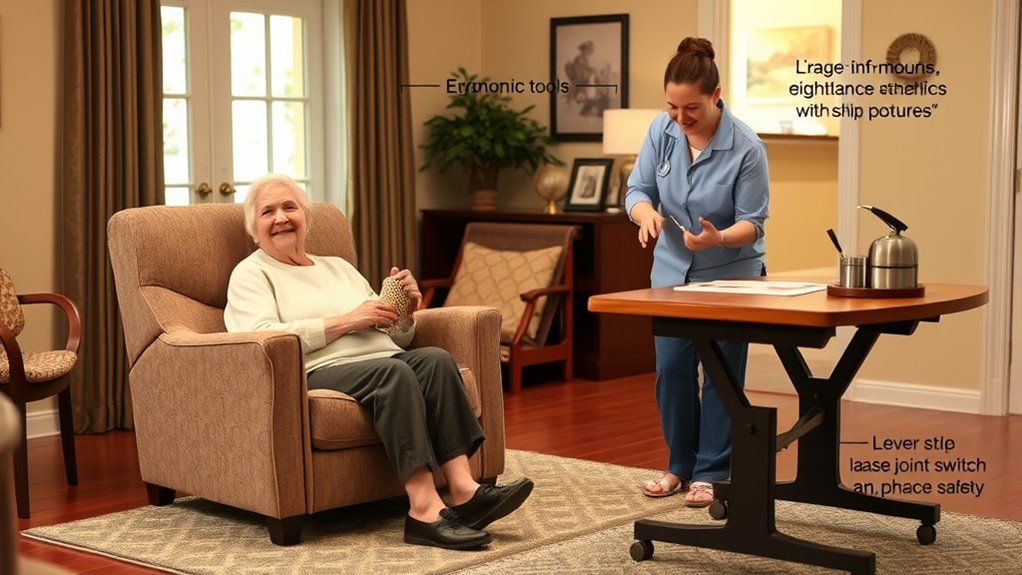
Creating a comfortable and accessible living environment is essential for seniors with arthritis, as it can considerably reduce pain, prevent falls, and promote independence. Simple modifications can make daily tasks easier and safer. Ensure walkways are clear and well-lit to prevent trips. Use grab bars in bathrooms and install non-slip mats. Rearrange furniture to minimize obstacles and provide easy access to frequently used items. Consider ergonomic tools for cooking and grooming. Regularly evaluate your home for hazards that could cause injury or strain. Incorporating ergonomic designs can further enhance safety and comfort for seniors with arthritis. Implementing adaptive equipment tailored to individual needs can also greatly improve daily functioning and reduce discomfort. Incorporating assistive technology can provide additional support and enable seniors to perform tasks more independently. Additionally, choosing ergonomic furniture can significantly improve posture and alleviate joint stress during daily activities.
Supporting Mental Well-being and Social Connections

Maintaining mental well-being and social connections is essential for seniors with arthritis, as social isolation and emotional distress can worsen pain and impair quality of life. You can help by encouraging activities that foster emotional support and companionship. Reach out regularly, whether through phone calls, visits, or virtual chats, to remind them they’re not alone. Creating opportunities for social engagement reduces feelings of loneliness and boosts resilience. Consider organizing support groups or hobby clubs tailored for seniors. Remember, emotional health directly impacts physical health, so addressing anxiety or depression is crucial.
- Offer a listening ear during tough days
- Encourage participation in community activities
- Promote hobbies that bring joy and purpose
- Connect them with mental health resources
- Foster a sense of belonging and hope
Frequently Asked Questions
How Can I Tell if My Senior’s Arthritis Pain Is Worsening?
You can tell if your senior’s arthritis pain is worsening by observing increased stiffness, swelling, or redness in their joints. Watch for more frequent or severe pain episodes, difficulty moving, or new areas affected. Notice if they become less active, experience sleep troubles, or show signs of depression or anxiety. Keep track of these changes and consult their healthcare provider for proper assessment and adjustments to their treatment plan.
What Are Non-Pharmacological Ways to Manage Arthritis Discomfort?
Sure, because who wouldn’t want to turn to magic pills first? Instead, try gentle exercise tailored to their limits, like swimming or walking. Encourage weight management to ease joint load, and use hot/cold packs for relief. Physical and occupational therapy can work wonders, plus supportive home modifications. Don’t forget to include psychological support—because even the joints need a little emotional TLC to keep pain at bay.
How Do I Encourage Activity Without Causing More Joint Pain?
You can encourage activity by suggesting gentle, low-impact exercises like walking or swimming, which help improve joint flexibility without causing pain. Start slow and gradually increase activity levels, paying attention to your senior’s comfort. Encourage regular movement breaks and incorporate activities they enjoy to boost motivation. Always listen to their signals, and if pain worsens, consult their healthcare provider for personalized guidance.
What Safety Precautions Should I Take for Home Modifications?
Did you know over 53.9% of adults aged 75+ have arthritis? To keep your loved one safe at home, install grab bars in bathrooms and non-slip mats on floors to prevent falls. Make certain pathways are clear of clutter, and add good lighting throughout the house. Use sturdy furniture for support and consider stairlifts if stairs are challenging. Regularly check for hazards to reduce injury risk and promote independence.
When Should I Seek Professional Help for Arthritis Symptoms?
You should seek professional help when your arthritis symptoms worsen or don’t improve with lifestyle changes. If you experience persistent pain, significant joint swelling, stiffness that limits movement, or if daily activities become difficult, it’s time to consult your healthcare provider. Also, seek help if you notice new symptoms like numbness, weakness, or signs of infection, as early intervention can prevent further damage and improve your quality of life.
Conclusion
By understanding arthritis and adopting these caring strategies, you can help your loved one find relief and improve their quality of life. For example, imagine helping a senior modify their home to reduce joint strain, leading to more comfortable daily activities. Small changes, like encouraging gentle exercises or supporting their mental well-being, make a big difference. With patience and compassion, you can truly make their journey with arthritis more manageable and uplifting.
Fall Picks
fall essentials
As an affiliate, we earn on qualifying purchases.