
TL;DR

Turn quiet afternoons into listening time
- Thousands of audiobooks, podcasts and originals
- Listen on your phone, tablet or Echo — also offline
- Cancel anytime
A CDC analysis of 18,301 adults hospitalized with RSV across eight seasons found that 8.6% died in hospital or within 30 days after discharge. Of the 753 deaths after discharge, 467 patients had not been discharged to hospice; the study cannot establish that RSV caused those deaths.
A CDC analysis of 18,301 adults hospitalized with RSV from 2014 to 2024 found that 8.6% died in hospital or within 30 days of discharge. Of the 753 patients who died after leaving hospital, 467 had been discharged somewhere other than hospice, a finding researchers said points to risk in the immediate post-hospital period but does not show that RSV caused each death.
The analysis covered eight RSV seasons and used data from the CDC’s Respiratory Virus Hospitalization Surveillance Network, or RESP-NET. Of the 1,565 deaths recorded during hospitalization or within 30 days after discharge, 812 occurred in hospital and 753 occurred after discharge. Among the post-discharge deaths, 286 patients had been discharged to hospice; 467 had not. Those 467 deaths represented 2.6% of all adults in the analysis.
Michael Melgar, MD, of the CDC, presented the findings at the IDWeek annual meeting on October 24, 2026. He said the group discharged somewhere other than hospice was of particular concern because patients may have gone home or to another care setting without being expected to die within a month. The study recorded deaths after hospitalization; it did not establish that RSV itself caused them.
The share of hospitalized patients who died in hospital or within 30 days after discharge varied from 7.4% in 2018-2019 to 9.7% in 2015-2016. The proportion who died after discharge somewhere other than hospice ranged from 1.8% in 2022-2023 to 3.2% in 2019-2020. Researchers also found that post-discharge deaths were associated with older age and different in-hospital outcomes, including lower recorded rates of ICU admission and invasive ventilation than deaths occurring in hospital.
The Risk May Continue After Discharge
The findings draw attention to a period that can receive less focus than the acute hospital stay: the first month after discharge. The 467 deaths outside hospice do not show that the patients were sent home prematurely or that the deaths were preventable. They do, however, identify a group whose outcomes warrant attention in discharge planning and follow-up, particularly because many patients hospitalized with RSV are older and have underlying conditions.
Melgar said the findings support stronger discharge planning and early post-discharge follow-up. They also reinforce prevention messaging for adults eligible for RSV vaccination. Those are implications raised by the researchers, rather than interventions tested in this analysis; the study did not assess whether follow-up or vaccination changed individual patients’ outcomes.
The results may matter to patients and caregivers preparing for discharge, as well as clinicians arranging ongoing care. A hospital discharge is not proof that health risks have ended. The analysis signals a need to understand which patients face continued risk and how care after hospitalization can address it, while keeping clear that the recorded deaths cannot all be attributed to RSV.
adult RSV vaccine for older adults
As an affiliate, we earn on qualifying purchases.
As an affiliate, we earn on qualifying purchases.
Eight Seasons of RSV Hospitalizations
RSV can cause illness ranging from cold-like symptoms to severe lower respiratory disease requiring hospitalization. The CDC analysis used RESP-NET, which monitors hospitalizations with laboratory-confirmed influenza, COVID-19 or RSV in 14 participating states. Researchers identified RSV hospitalizations using diagnostic codes for RSV pneumonia, acute bronchitis or acute bronchiolitis.
Adult RSV vaccines became available during the 2023-2024 season. The source report says RSV vaccines have shown 75% effectiveness against hospitalization, and the CDC recommends a one-time dose of any of three FDA-licensed vaccines for adults 75 or older, and for adults ages 50-74 at increased risk of severe RSV. Melgar said investigators did not examine vaccination status among patients hospitalized during the season when vaccines were introduced, so the analysis cannot determine whether vaccination affected its findings.
Among everyone who died in hospital or within 30 days after discharge, 81.3% were 65 or older and 89.0% had at least one underlying medical condition. These characteristics describe the group in the analysis; they do not establish that age or a specific condition caused an individual death.
“We think this latter category is the most concerning, as these patients were likely discharged home or to some higher level of care — but they were probably not expected to die within a month of the hospitalization with RSV infection.”
— Michael Melgar, MD, CDC, speaking at the IDWeek annual meeting
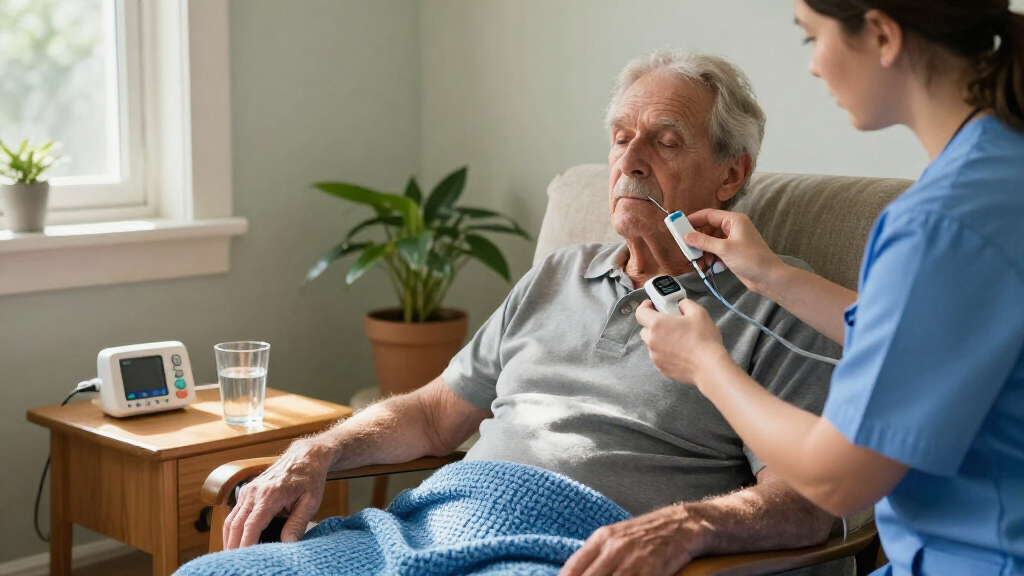
home pulse oximeter for monitoring oxygen levels
As an affiliate, we earn on qualifying purchases.
As an affiliate, we earn on qualifying purchases.
Cause and Vaccine Effects Remain Unclear
The analysis counted deaths during hospitalization and within 30 days of discharge, but deaths may not have been caused by RSV. It did not establish whether an infection, an underlying illness or another event led to each outcome. Nor does the comparison of deaths in hospital and after discharge show that one group received inadequate care.
Researchers did not assess vaccination status among hospitalized patients in the 2023-2024 season, so the data cannot show whether adult RSV vaccination changed hospitalization or death rates in this group. The study also relied on clinician-ordered testing, which may have missed some RSV hospitalizations. Because RESP-NET covers 14 states, results may not represent the entire United States.
As an affiliate, we earn on qualifying purchases.
Follow-Up and Further Study
Melgar said the findings support early follow-up after discharge and attention to discharge planning for patients hospitalized with RSV. The report does not specify a particular follow-up schedule or prescribe a new clinical protocol. Any changes to care would require decisions by clinicians and health authorities based on the wider evidence.
Further analysis that accounts for vaccination status and explores causes of post-discharge deaths could help clarify how much of the observed risk is related to RSV and which patients may need additional support. The available report does not announce a timeline for such work. For now, the CDC analysis is a signal about outcomes after hospitalization, with its limits on causation and national representativeness still in place.
caregiver medication organizer for seniors
As an affiliate, we earn on qualifying purchases.
As an affiliate, we earn on qualifying purchases.
Key Questions
How many adults in the analysis died after an RSV hospitalization?
Among 18,301 adults hospitalized with RSV from 2014 to 2024, 753 died within 30 days after discharge. Of those, 467 had been discharged somewhere other than hospice.
Does the analysis show that RSV caused those deaths?
No. The analysis recorded deaths during hospitalization or within 30 days after discharge, but the researchers said deaths may not be attributable to RSV. It does not establish the cause of each death.
Who is eligible for an RSV vaccine under CDC recommendations?
The source report says the CDC recommends a one-time dose of an FDA-licensed RSV vaccine for adults 75 or older and adults ages 50-74 at increased risk of severe RSV. People should consult a qualified health professional about personal medical decisions.
Did the study measure whether vaccination reduced deaths?
No. Investigators did not examine vaccination status among hospitalized patients in the 2023-2024 season, when adult RSV vaccines became available. The study therefore cannot determine vaccination’s effect on the reported deaths.
Can these results be applied to all U.S. adults hospitalized with RSV?
Not with certainty. RESP-NET includes data from 14 states, and the report says its findings may not be generalizable to the entire United States. Reliance on clinician-driven testing may also mean some hospitalizations were not detected.
Source: rss
Cold & flu season Picks
humidifiers
As an affiliate, we earn on qualifying purchases.