
To help your parent avoid a second stroke, encourage healthy lifestyle changes like cooking balanced meals, promoting regular exercise, and managing stress through relaxation techniques. Make certain they stick to prescribed medications and attend regular check-ups. Support avoiding smoking and limiting alcohol intake, both key risk factors. By taking these steps and staying vigilant, you can greatly reduce their risk. Keep exploring these strategies to discover more ways to safeguard their health.
Key Takeaways
- Ensure your parent follows prescribed medications strictly and attends regular doctor check-ups.
- Promote a healthy, balanced diet low in salt and saturated fats to control blood pressure.
- Encourage at least 150 minutes of moderate exercise weekly to improve cardiovascular health.
- Support smoking cessation and moderate alcohol intake to reduce stroke risk factors.
- Help manage stress through relaxation techniques like meditation, yoga, or deep breathing exercises.

Have you ever wondered how to reduce your risk of having a second stroke? It’s a common concern, and the good news is that many risk factors can be managed with practical steps. The key is making targeted lifestyle adjustments and sticking to prescribed medications. These changes can considerably lower the chances of another stroke and help your parent regain control over their health.
First, focus on lifestyle adjustments that promote heart and brain health. Maintaining a healthy weight is essential because excess weight increases the strain on blood vessels and raises blood pressure. Incorporate a balanced diet rich in fruits, vegetables, whole grains, lean proteins, and healthy fats. Reducing salt intake is also essential, as high sodium levels can elevate blood pressure, a leading risk factor for stroke recurrence. Regular physical activity, such as walking or gentle exercise, strengthens the cardiovascular system and helps control blood pressure, blood sugar, and cholesterol levels. Encourage your parent to aim for at least 150 minutes of moderate activity each week, but always consult their doctor before starting a new routine.
Managing stress is another important aspect. Chronic stress can contribute to high blood pressure and unhealthy habits like overeating or smoking. Promote relaxation techniques such as deep breathing, meditation, or yoga. Avoiding smoking altogether is critical, as tobacco narrows blood vessels and accelerates artery damage. If your parent smokes, support them in quitting through counseling or cessation programs. Limiting alcohol consumption is also wise since excessive drinking can raise blood pressure and increase stroke risk.
Medication adherence plays a key role in preventing a second stroke. Ensure your parent takes their medications exactly as prescribed. Skipping doses or stopping medication without consulting their doctor can lead to uncontrolled blood pressure, clot formation, or other complications. Use pill organizers or reminder alarms if necessary to help them stay consistent. Regular check-ups are essential to monitor how well the medications are working and to make adjustments if needed. Keep open communication with healthcare providers and report any side effects or concerns promptly.
Additionally, understanding how contrast ratio impacts visual clarity can help in selecting the right home environment to reduce stress and improve overall well-being. Combining these lifestyle adjustments with strict medication adherence creates a powerful defense against another stroke. Making these changes might seem challenging at first, but with your support and encouragement, your parent can develop habits that promote long-term health. Educate yourself about their specific risk factors and work together on setting achievable goals. The effort you put into helping them adopt these practices can make all the difference in preventing future strokes and improving their overall quality of life. Remember, small consistent steps often lead to the biggest health benefits over time.
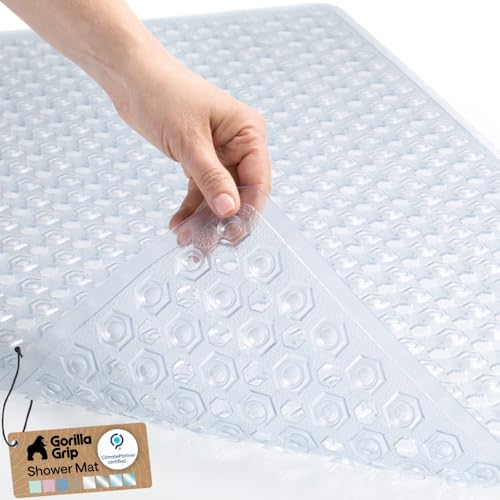
GORILLA GRIP Patented Bath Tub Shower Mat, Machine Washable Bathtub Floor Liner Mats, Suction Cups and Drain Holes to Keep Tubs Clean, Soft on Feet, Bathroom Essentials, 35x16 Inch, Clear
PATENTED DESIGN WITH POWERFUL SUCTION GRIP: a bath mat designed to securely stay in place; this patented bathtub...
As an affiliate, we earn on qualifying purchases.
Frequently Asked Questions
Can Lifestyle Changes Fully Prevent a Second Stroke?
Lifestyle changes can greatly reduce the risk of a second stroke, but they might not fully prevent it. By adopting a healthier diet modification and practicing stress management, you lower your parent’s chances. Encouraging regular exercise, medication adherence, and routine check-ups further enhance prevention. While these steps are powerful, it is crucial to stay vigilant and work with healthcare professionals to address individual risk factors effectively.
How Often Should My Parent See Their Doctor for Follow-Up?
You should schedule your parent’s doctor visits at least every 3 to 6 months, especially if they’re on medication adherence or making dietary adjustments. Regular follow-ups help monitor their health, catch issues early, and adjust treatments as needed. Nearly 60% of stroke survivors who stay consistent with doctor visits and lifestyle changes markedly reduce the risk of a second stroke, emphasizing the importance of ongoing medical care.
What Are Early Signs of a Recurring Stroke to Watch For?
You should watch for warning signals like sudden weakness, numbness, or confusion, and be alert for silent symptoms such as dizziness or blurred vision, which can indicate a recurring stroke. Quick recognition of these signs is vital, so stay attentive to any unusual changes in your parent’s behavior or physical state. Acting immediately can make a difference, ensuring they get prompt medical attention and reducing the risk of another stroke.
Are There Specific Medications to Reduce Stroke Risk?
Did you know that about 70% of stroke survivors take medications correctly? To reduce your parent’s risk, specific medications like blood thinners, antihypertensives, and cholesterol-lowering drugs are often prescribed. Ensuring medication adherence is essential, and managing blood pressure effectively helps prevent another stroke. Talk to their healthcare provider about the right medications, follow the prescribed regimen, and monitor their health regularly to keep them safe.
How Can Family Members Support Stroke Prevention Efforts?
You can support your parent’s stroke prevention by maintaining open family communication, encouraging them to follow medical advice, and helping manage their medications. Offer emotional support to boost their confidence and reduce stress, which lowers stroke risk. Regularly check in on their lifestyle choices, such as diet and exercise, and motivate them to attend health appointments. Your involvement makes a significant difference in their ongoing health and safety.

TEESHLY Bath Tub and Shower Mats, Non Slip 40 x 16 Inch Extra Large Bathtub Mat, Machine Washable Bathmat with Drain Holes, Suction Cups for Bathroom Floor, Gray
NON-SLIP LARGE BATH MAT: Our non-slip large bathtub mat offers superior coverage with its 40 x 16-inch size,...
As an affiliate, we earn on qualifying purchases.
Conclusion
By following these tips, you can be the steady hand guiding your parent away from a second stroke. Think of it as steering a ship through turbulent waters—your vigilance keeps them on course. Stay proactive with their health, encourage healthy habits, and don’t hesitate to seek medical advice. Together, you can create a safe harbor where they feel protected and empowered, turning the risk into just a distant memory on the horizon.

YINENN Bath and Shower Safety Mats 40x16 inch, Non Slip with Suction Cups for Bathroom Stall and Tub Floor, Extra Large and Machine Washable, Drain Holes Keep Bathtub Clean, Clear
Extra large bath shower safety mats: No chemical smell, vinyl quality material. Heavy duty and standard dimensions and...
As an affiliate, we earn on qualifying purchases.

ARK NATURALS Gray Muzzle Brain's Best Friend Senior Dogs Soft Chews (90 ct)
FORMULATED FOR SENIOR DOGS: Vet recommended dog chews formulated for senior dogs of all breeds 5 years or...
As an affiliate, we earn on qualifying purchases.