
To keep your senior regular and comfortable, focus on increasing their intake of fiber-rich foods like fruits, vegetables, and whole grains gradually to prevent discomfort. Confirm they drink enough water daily to soften the stool and support digestion. Encourage regular physical activity, like walking, to stimulate bowel movements. Establishing a routine and avoiding rushing can also help. If issues persist, exploring more tips will help you manage their digestive health effectively.
Key Takeaways
- Increase dietary fiber gradually with fruits, vegetables, and whole grains to promote regular bowel movements.
- Ensure adequate hydration by drinking at least 8 glasses of water daily to soften stool.
- Establish a consistent bathroom routine and avoid rushing to support natural elimination.
- Incorporate regular physical activity, like walking, to stimulate digestion and bowel function.
- Consult healthcare providers for persistent constipation or severe symptoms to determine appropriate treatment.
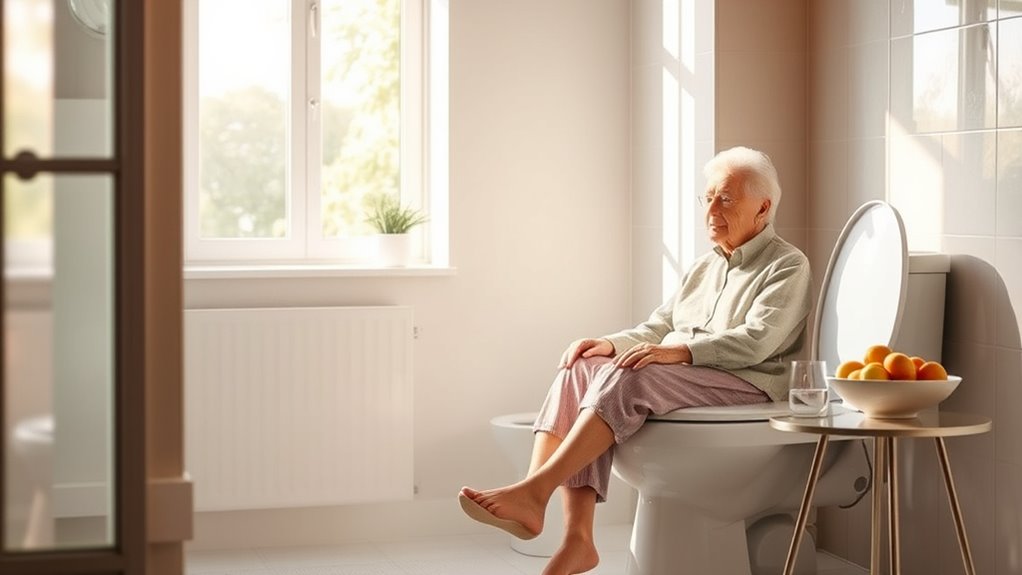
Have you ever felt bloated or uncomfortable because you couldn’t pass stool? If so, you’re not alone, especially among seniors who often face digestive challenges. Managing constipation effectively starts with understanding how your diet and habits influence your bowel movements. One of the most important factors is dietary fiber. Fiber adds bulk to your stool, making it easier to pass through your digestive system. Incorporate more high-fiber foods into your meals, such as fruits, vegetables, whole grains, and legumes. These foods not only promote regularity but also support overall gut health. Start gradually to avoid gas or bloating, and increase your fiber intake over a few days. Drinking too much fiber too quickly can lead to discomfort, so balance your diet carefully.
Hydration plays a essential role in preventing and relieving constipation. When you don’t drink enough water, your stool can become hard and difficult to pass. Hydration tips are simple but indispensable: aim to drink plenty of fluids throughout the day, especially water. Keep a water bottle nearby and sip regularly, even if you don’t feel thirsty. Avoid excessive caffeine or alcohol, as these can dehydrate you and worsen constipation. Proper hydration softens your stool, making bowel movements smoother and less painful. It also helps fiber work more effectively in your digestive system. Remember, individual hydration needs vary, but a good rule of thumb is to drink at least 8 glasses of water daily. If you’re active or live in a hot climate, you may need even more.
Balancing your fiber intake with adequate hydration is a simple yet powerful way to manage constipation. Don’t rely solely on laxatives or stool softeners; instead, focus on natural strategies like increasing your fiber-rich foods and maintaining good hydration habits. These lifestyle changes can make a significant difference in your digestive health, especially as you age. It’s also helpful to establish a regular bathroom routine, giving yourself ample time to go without rushing. Physical activity, like walking, can further stimulate your bowels and enhance digestion. If you find that these tips aren’t enough or if your symptoms persist, consult your healthcare provider to rule out underlying issues and explore other treatment options. Managing constipation isn’t just about relief—it’s about supporting your overall comfort and well-being every day. For added confidence, consider consulting resources that focus on reliable backup power, ensuring you’re prepared for any emergency that might disrupt your routine.

Amazon Basics Soft Fiber Gummies for Digestive Health and Regularity, Orange, Lemon & Strawberry Flavors, 90 Count, Pack of 1 (Previously Solimo)
Supports digestive health. Helps support regularity and digestive health.*
As an affiliate, we earn on qualifying purchases.
As an affiliate, we earn on qualifying purchases.
Frequently Asked Questions
What Are Common Medications That Cause Constipation in Seniors?
You should be aware that common medications like opioids, antacids containing aluminum or calcium, and certain antidepressants can cause medication side effects, including constipation in seniors. Diuretics and iron supplements also contribute to this issue. Be cautious of drug interactions that may worsen constipation, and always consult your healthcare provider before starting or changing medications. Monitoring your senior’s response helps manage and prevent uncomfortable, chronic constipation effectively.
How Does Dehydration Contribute to Constipation?
Dehydration leads to constipation because it disrupts electrolyte balance, making your senior’s stool hard and difficult to pass. When there’s not enough water, the kidneys struggle to maintain proper function, reducing fluid availability in the intestines. This slow movement causes stool to stay longer in the colon, worsening constipation. Ensuring your senior drinks enough water helps maintain electrolyte balance and supports healthy kidney function, promoting easier bowel movements.
Are There Specific Dietary Supplements to Prevent Constipation?
Yes, fiber supplements like psyllium or methylcellulose can help prevent constipation by adding bulk to your senior’s stool. Probiotic options, such as capsules containing beneficial bacteria, may also improve gut health and promote regularity. Encourage your senior to consult their healthcare provider before starting any new supplement, especially if they’re taking medications or have underlying health conditions. Proper hydration and a balanced diet remain essential for effective prevention.
When Should I See a Doctor About Constipation Concerns?
Ironically, constipation often whispers warnings before it shouts. You should see a doctor if you notice signs of severe discomfort, persistent pain, blood in stool, or if changes last over a week. Don’t wait for an emergency—seek care immediately if you experience severe cramping or inability to pass stool. Prompt attention guarantees your loved one stays comfortable and avoids complications, turning a silent issue into a quick solution.
Can Exercise Routines Help Alleviate Chronic Constipation?
Yes, regular physical activity can help alleviate chronic constipation by promoting healthier bowel movement patterns. When you engage in routine exercise, it stimulates your intestines, making it easier to pass stool. Activities like walking, swimming, or gentle stretching are especially beneficial. Consistency is key, so aim for at least 30 minutes most days. This not only improves digestion but also supports overall well-being and helps keep constipation at bay.
hydration water bottle for seniors
As an affiliate, we earn on qualifying purchases.
As an affiliate, we earn on qualifying purchases.
Conclusion
Remember, managing constipation is all about making simple, consistent choices—like staying active and eating fiber-rich foods. You might worry it’s just a part of aging you can’t control, but that’s not true! Small changes can make a big difference, helping you feel comfortable and confident. Don’t let constipation hold you back—take charge today, and enjoy the comfort and freedom that come with a regular routine. You’ve got this!

Spesoul Wide Womens Walking Shoes Adjustable Diabetic Shoes Breathable Zero Drop Barefoot Shoe Neuropathy Edema Nursing Shoe Wide Width Sneakers 8.5 Navy
Wide Width:these wide womens walking shoes have a wide toe box design,allowing the feet to stay their natural…
As an affiliate, we earn on qualifying purchases.
As an affiliate, we earn on qualifying purchases.
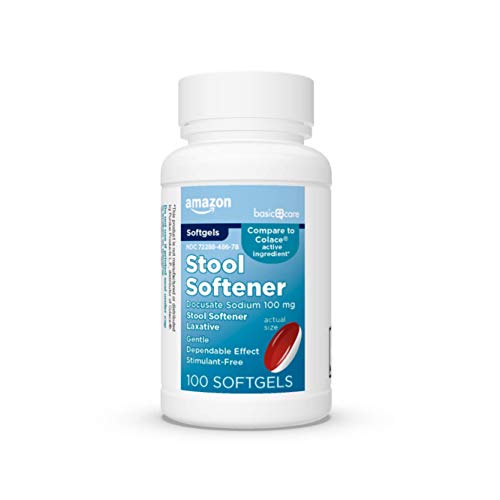
Amazon Basics Stool Softener Laxative, Docusate Sodium 100 mg, Softgels, for Constipation Relief, 100 Count (Previously Care)
SHIPMENT CONTAINS: 100 softgels of docusate sodium 100 mg stool softener laxative for gentle, effective constipation relief for…
As an affiliate, we earn on qualifying purchases.
As an affiliate, we earn on qualifying purchases.