To manage Parkinson’s at home, focus on creating a safe environment by removing tripping hazards and installing grab bars. Use assistive devices like canes or walkers, and keep them in good condition. Incorporate gentle exercises such as chair yoga or walking to improve strength and balance. Maintain a consistent routine for medication and meals, stay socially active, and make home modifications to reduce fall risks. Continue exploring these tips to learn how to enhance safety and well-being.
Key Takeaways
- Modify the home environment by removing hazards, installing grab bars, and ensuring good lighting for safety and mobility.
- Use assistive devices like walkers and sturdy chairs, maintaining and adjusting them for comfort and stability.
- Incorporate gentle exercises, such as chair yoga and walking, to improve balance, flexibility, and strength.
- Maintain a consistent routine for medication, meals, and daily activities to reduce confusion and manage symptoms.
- Engage socially through support groups and hobbies to boost emotional well-being and prevent isolation.
Modify Your Home Environment for Safety and Accessibility
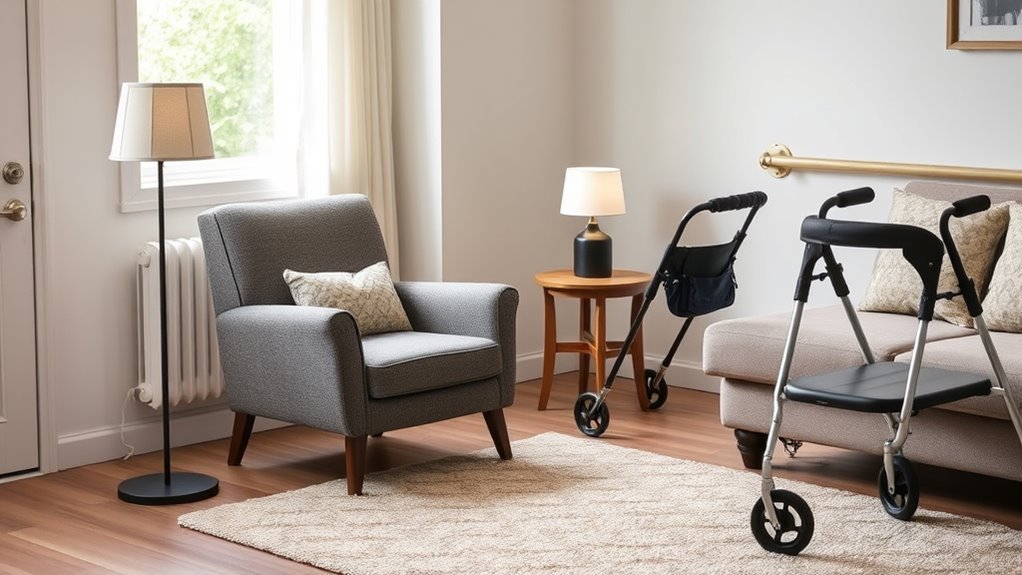
Modifying your home environment is essential to reduce fall risks and make daily activities safer for someone with Parkinson’s. Start by installing grab bars in bathrooms to provide steady support during transfers and bathing. Remove loose rugs, clutter, and cords from walkways to prevent tripping hazards. Make sure all living spaces are well-lit, including hallways and staircases, to improve visibility. Secure or anchor furniture to walls to prevent tipping if balance is lost. Keep frequently used items within easy reach—between waist and chest height—so you avoid unnecessary bending or stretching. Incorporating proper lighting techniques can further enhance safety by minimizing shadows and brightening dark corners. Additionally, utilizing mobility aids can assist with stability and confidence during movement. Conducting home safety assessments can help identify other potential hazards and ensure your environment remains as safe as possible. Regularly reviewing home modifications can help adapt the space as needs change over time, maintaining safety and independence. Making these adjustments can also help accommodate supportive home modifications that enhance independence and safety. These adjustments create a safer, more accessible environment that supports independence and reduces the risk of falls, helping you or your loved one feel more confident while traversing daily routines.
Implement Effective Mobility Support Strategies

To support mobility and reduce fall risks, it’s important to reorganize your living space for ease of movement. Rearrange furniture to create wide, clear pathways, making it easier to navigate safely. Use sturdy chairs with armrests and stable bases to provide support when sitting or standing. Remove or lock wheels on furniture to prevent unexpected movement. Keep mobility aids like canes, walkers, or scooters nearby and ensure they’re in good condition. Secure loose cords and anchor heavy appliances to prevent tripping hazards. Place frequently used items within easy reach to avoid unnecessary stretching or bending. Regularly check that pathways remain clear and well-lit. Incorporate modern assistive devices designed to enhance stability and safety at home. These strategies help you move confidently and diminish the risk of falls at home, especially when considering the importance of contrast ratio for clear visibility in different lighting conditions. Additionally, ensuring proper lighting design can further improve visibility and safety throughout the living space. Incorporating home modification strategies and understanding environmental safety principles can further optimize safety and accessibility tailored to individual mobility needs.
Incorporate Gentle Exercises and Physical Activity Routines

Incorporating gentle exercises into your daily routine can help maintain mobility and reduce stiffness. Activities like chair yoga and regular walking are easy to include and offer significant benefits. By staying active, you support your overall well-being and manage Parkinson’s symptoms more effectively. Additionally, engaging in physical activity routines can boost mood and energy levels, helping to improve quality of life. Using How to Track Progress can help you track your progress and stay motivated over time. Regular movement also promotes better sleep hygiene and can alleviate some common sleep challenges associated with Parkinson’s. Incorporating simple home-based exercises and energy-efficient cloud solutions into your planning can further enhance your ability to access resources and support remotely.
Daily Stretching Benefits
Regular gentle stretching can markedly improve flexibility, reduce stiffness, and enhance overall mobility for individuals with Parkinson’s. Incorporating daily stretches helps maintain joint range of motion and prevents muscles from tightening, which can worsen movement difficulties. Focus on gentle neck, shoulder, arm, and leg stretches, holding each movement for 10-15 seconds without forcing. Consistent stretching can also ease muscle tension and improve circulation, making daily tasks easier. It’s best to perform these stretches in a calm, comfortable environment, ideally after a brief warm-up or light activity. Remember to listen to your body and avoid overstretching or pain. Over time, these simple routines can boost your confidence in movement and help you stay active longer.
Chair Yoga Options
Chair yoga offers a gentle and accessible way to stay active for individuals with Parkinson’s, especially when mobility is limited. It helps improve flexibility, strengthen muscles, and boost circulation without putting strain on your joints. You can start with simple stretches like neck rotations, shoulder rolls, and seated twists. Incorporate breathing exercises to promote relaxation and reduce stress. Focus on movements that enhance balance and coordination, such as ankle circles or seated leg lifts. Practice regularly, aiming for short sessions multiple times a week, and listen to your body. Chair yoga can be adapted to your comfort level and abilities, making it a safe, effective addition to your daily routine. Always consult with your healthcare provider before beginning new exercises.
Walking for Mobility
Walking is one of the simplest and most effective ways to maintain mobility and overall health for individuals with Parkinson’s. Regular walking helps improve balance, strengthen muscles, and boost mood. To get started, consider these key tips:
- Incorporate daily walks into your routine, ideally in the morning or evening, to build consistency and endurance.
- Use supportive footwear to prevent slips and provide stability, especially on uneven surfaces.
- Engage in gentle movement routines like arm swings or heel-to-toe steps to enhance coordination and reduce tremors.
- Remember to practice proper body positioning during your walks to maximize stability and reduce the risk of falls.
Optimize Nutrition and Hydration for Overall Well-Being

To support overall well-being in Parkinson’s management, optimizing nutrition and hydration is essential. Focus on preparing soft, easy-to-chew meals rich in omega-3 fatty acids and fiber to boost brain health and digestion. Keep hydration levels up by drinking water regularly throughout the day, aiming for consistent intake. Offer smaller, more frequent meals to help maintain energy and reduce swallowing challenges as symptoms progress. Avoid foods that are difficult to swallow or may cause choking. Consult a dietitian familiar with Parkinson’s to tailor your diet to changing needs. Proper nutrition and hydration help improve mood, energy, and cognitive function, making daily activities more manageable. Staying well-nourished supports overall health and can slow disease progression. Additionally, using water-resistant running watches can ensure timely hydration tracking during outdoor activities, supporting your hydration goals. Adequate hydration is crucial for preventing complications such as urinary tract infections and skin issues in Parkinson’s patients.
Establish a Consistent Daily Routine and Self-Care Practices

Establishing a consistent daily routine helps manage Parkinson’s symptoms by providing structure and reducing confusion. When your day follows a predictable pattern, it’s easier to stay organized and feel in control. To make this work:
- Prioritize regular medication times to prevent symptoms from fluctuating.
- Schedule daily self-care activities, like bathing and dressing, at consistent times.
- Incorporate relaxing activities such as meditation or deep breathing to reduce stress.
Use Assistive Devices to Enhance Independence

Using the right assistive devices can make a big difference in maintaining your independence at home. It’s important to select equipment that fits your needs and learn proper techniques for their use. Regular maintenance guarantees these devices stay safe and effective over time. Incorporating home-care techniques into your routine can further optimize device performance and safety. Additionally, staying informed about lifestyle product options can help you choose the most suitable tools for your daily activities. Being aware of net worth insights related to care equipment can also guide you in making financially sound choices. Educating yourself about product durability can further ensure your devices remain reliable and cost-effective over the long term. Furthermore, understanding assistive technology trends can help you access innovative solutions tailored to your mobility needs.
Choosing Appropriate Devices
How do you choose the right assistive devices to support independence at home? First, consider your specific needs and daily challenges. Look for devices that improve safety without feeling intrusive or complicated. Second, prioritize comfort and ease of use—if a device is difficult to operate, you’re less likely to use it consistently. Incorporating smart home automation features can also enhance your environment by customizing routines and simplifying daily tasks. Lastly, consult with healthcare professionals or occupational therapists who can recommend tools tailored to your condition. Incorporating essential oils for relaxation into your environment can also promote a calming atmosphere and ease daily stress. Here are key points to keep in mind:
- Select lightweight, easy-to-hold tools to reduce strain during use.
- Opt for devices with simple mechanisms that require minimal effort.
- Choose adjustable or customizable options to fit your evolving needs.
These choices empower you to stay independent and confident at home.
Proper Device Usage Techniques
Proper device usage is essential for maintaining safety and independence at home. Always read the manufacturer’s instructions before using any assistive device. Confirm your devices are properly adjusted for your height and comfort, and practice using them until you feel confident. When transferring or moving with mobility aids, keep your posture upright and use smooth, controlled movements. Store devices in accessible locations to encourage regular use. Avoid forcing or over-relying on devices; instead, use them as intended to prevent injury. Here’s a quick guide:
| Device | Proper Technique |
|---|---|
| Cane | Keep it close to your body, move it with each step |
| Walker | Ensure all four legs are on the ground before stepping |
| Grab bars | Use them for support when standing or sitting |
| Shoe aids | Wear properly fitted shoes with non-slip soles |
| Reachers | Use for picking up items, avoid overstretching |
Regular Device Maintenance
Regular device maintenance is essential to guarantee your assistive devices remain safe and effective. When you routinely check and care for your equipment, you reduce the risk of malfunctions that could lead to falls or injuries. Keep your devices in top shape by:
- Inspecting for wear and tear—look for cracks, loose parts, or rust that can compromise safety.
- Cleaning regularly—remove dirt and debris to ensure proper function and hygiene.
- Replacing worn-out parts—update batteries, grips, or wheels as needed to maintain stability and performance.
Reduce Fall Risks With Home Safety Modifications

To effectively reduce fall risks at home, you need to make targeted safety modifications that address common hazards. Install grab bars in bathrooms near the toilet and shower to prevent slips. Remove loose rugs and clutter from walkways to eliminate tripping hazards. Ensure all areas are well-lit, especially hallways and staircases, to improve visibility. Secure furniture to walls to prevent tipping or shifting. Place frequently used items at waist or chest height, so you don’t have to stretch or bend awkwardly. Keep cords and wires out of walkways to prevent tripping. Rearrange furniture to create wide, unobstructed paths. These simple modifications can considerably lower your risk of falls, helping you stay safe and independent at home.
Manage Medication Timing With Organized Systems

Keeping track of Parkinson’s medications can be challenging, but using organized systems helps guarantee you take the right doses at the right times. You can reduce missed doses and avoid confusion by setting up simple tools.
- Use a pill organizer with separate compartments for each dose to prevent mistakes.
- Set alarms or reminders on your phone or clock to alert you when it’s time to take your medication.
- Keep medications in a consistent, visible spot to reinforce routine and avoid accidental missed doses.
Foster Social Engagement and Participatory Activities

Engaging in social activities and community participation can substantially improve mood and overall well-being for someone with Parkinson’s. You can encourage your loved one to join support groups, attend local events, or participate in hobbies they enjoy. Simple activities like book clubs, art classes, or gardening can foster a sense of belonging and purpose. Regular social interaction helps reduce feelings of isolation and depression, which are common in Parkinson’s. Make sure activities are accessible and adapted to their abilities, such as sitting instead of standing or using assistive devices if needed. Staying socially engaged promotes mental stimulation and emotional resilience. By creating supportive opportunities, you help your loved one maintain a positive outlook and strengthen their connection to the community.
Support Caregiver Wellness and Seek Community Resources
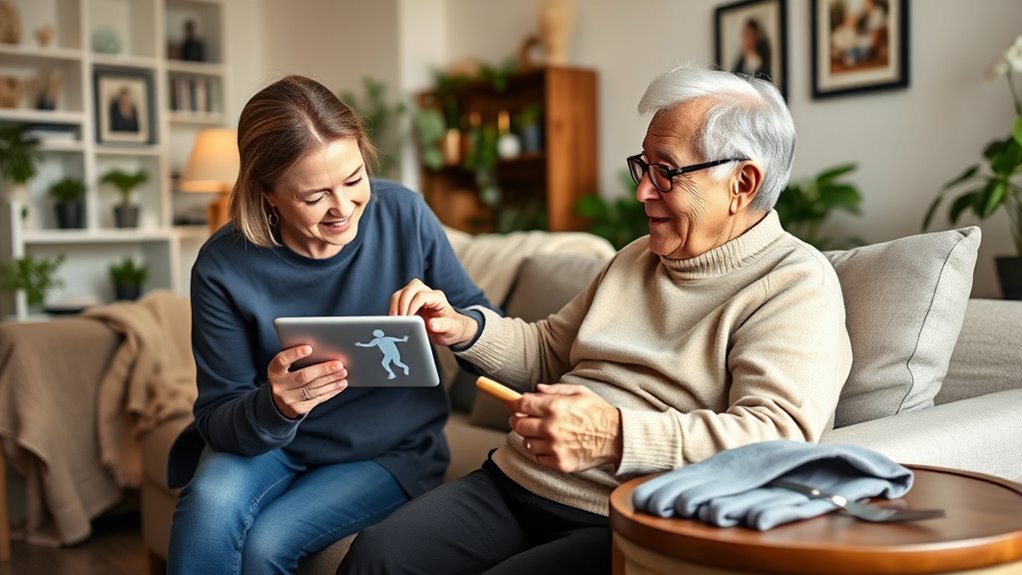
Caring for someone with Parkinson’s can be demanding, and prioritizing your own well-being is essential to provide ongoing support. When you care for yourself, you’re better equipped to handle stress and prevent burnout.
Here are three ways to support your wellness and access resources:
- Reach out to local support groups to share experiences and gain advice, reminding you you’re not alone.
- Schedule regular check-ins with healthcare providers to stay informed and get professional guidance.
- Take time for self-care activities like meditation, hobbies, or exercise to recharge mentally and physically.
Frequently Asked Questions
How Can I Adapt My Home as Parkinson’s Symptoms Progress?
As Parkinson’s symptoms progress, you should regularly reassess your home for safety hazards, like loose rugs or clutter, and make necessary modifications. Install additional grab bars, secure furniture, and improve lighting. Rearrange furniture to keep pathways clear, and consider mobility aids if needed. Adjust your routines to match changing abilities, and seek support from healthcare providers and support groups to stay informed and adapt your home environment effectively.
What Are the Best Mobility Aids for Different Stages?
Think of mobility aids like stepping stones across a stream—you need the right ones at each stage. Early on, a cane offers stability, helping you regain confidence. As symptoms progress, a walker provides more support, preventing falls. Later, a wheelchair might be necessary for longer distances. Choose aids based on your current mobility, and consult your healthcare provider to make certain they match your changing needs.
How Do I Motivate Someone With Parkinson’s to Stay Active?
To motivate someone with Parkinson’s to stay active, encourage small, achievable goals that match their energy levels. Celebrate their efforts and progress to boost confidence. Make activities enjoyable by incorporating favorite hobbies or music. Offer gentle encouragement and companionship to reduce feelings of isolation. Adapt routines to prevent frustration, and remind them of the benefits, like improved mobility and mood, to keep them engaged and motivated over time.
What Nutritional Adjustments Are Needed for Swallowing Difficulties?
You should focus on offering soft, easy-to-swallow foods like pureed fruits, mashed vegetables, and smooth soups. Incorporate foods rich in omega-3s and fiber to support overall health. Cut meals into smaller, manageable bites and serve them slowly to prevent choking. Make certain of ample hydration with thin liquids, and avoid tough, sticky, or dry foods that may be difficult to swallow. Regularly consult with a dietitian for personalized nutritional guidance.
How Can Caregivers Manage Stress and Burnout Effectively?
Managing stress and burnout is like juggling flaming torches—you need balance and support. You can do this by taking regular breaks, asking for help from family or friends, and practicing mindfulness or deep breathing techniques. Make time for your own hobbies and self-care routines, and connect with caregiver support groups for shared advice. Remember, caring for yourself helps you care better for your loved one.
Conclusion
By following these tips, you’ll transform your home into a fortress of safety and support, turning everyday challenges into manageable moments. With each small change, you’ll build an unstoppable shield against tremors and mobility hurdles, making your life smoother than ever. Remember, your effort creates a powerful ripple effect—bringing peace, independence, and confidence that can conquer even the toughest days. Keep pushing forward; your home is your greatest weapon in the fight for quality of life!