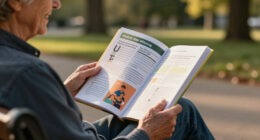
As a caregiver, you should watch for signs like tingling, numbness, or burning sensations in your loved one’s hands and feet, which suggest neuropathy. Keep an eye out for any sudden vision changes or blurry eyesight, as these could indicate developing eye problems. Regular foot checks and monitoring for infections or ulcers are essential. Stay alert to any symptoms of organ issues, and the more you learn now, the better you can support their health and prevent serious complications.
Key Takeaways
- Monitor for early signs of neuropathy, such as tingling, numbness, or burning sensations in extremities.
- Watch for sudden changes in vision or difficulty seeing clearly, and ensure regular eye exams.
- Remind to adhere to medication and blood sugar monitoring to prevent long-term complications.
- Observe for foot ulcers, infections, or unexplained pain, and promote proper foot hygiene and inspections.
- Encourage regular medical checkups to detect kidney, heart, or dental issues early and support overall health.

Diabetes can lead to serious complications if not managed properly, affecting nearly every part of your body. As a caregiver, your role is essential in helping your loved one stay on top of their condition. One of the most important areas to focus on is blood sugar management. Keeping blood sugar levels within the target range reduces the risk of long-term damage to nerves, blood vessels, and organs. Consistent blood sugar monitoring provides real-time insight into how well the diabetes management plan is working. It’s critical that your loved one adheres to their medication regimen, as prescribed by their healthcare provider. Medication adherence helps stabilize blood glucose levels, preventing dangerous fluctuations that can cause immediate symptoms and contribute to chronic complications over time.
Managing blood sugar levels is vital to preventing serious diabetes complications and protecting overall health.
When blood sugar isn’t properly controlled, nerve damage, known as neuropathy, can develop. This condition often begins with tingling, numbness, or burning sensations in the feet and hands. As a caregiver, you should watch for signs of nerve issues, such as decreased sensation or unexplained pain. If neuropathy progresses, it can lead to serious infections or ulcers, especially on the feet, which may go unnoticed due to numbness. Regular foot inspections, proper hygiene, and prompt medical attention for any injuries are essential in preventing severe complications. Managing blood sugar effectively and encouraging consistent medication use markedly lowers the risk of neuropathy.
Vision loss is another common, yet preventable, complication of diabetes. High blood sugar levels can damage the tiny blood vessels in the eyes, leading to diabetic retinopathy. As a caregiver, you need to make sure your loved one keeps up with regular eye exams. Early detection through routine screenings can catch problems before they worsen, preserving vision. Maintaining good blood sugar control through disciplined medication adherence and diet helps slow or prevent the progression of eye damage. It’s also helpful to note any sudden changes in vision and report them immediately to healthcare providers.
Other complications include kidney disease, cardiovascular issues, and dental problems, all linked to poor blood sugar management. Your involvement in their daily routine—reminding them to take medications, encouraging healthy eating, and supporting regular medical checkups—can make a meaningful difference. Educate yourself about the importance of maintaining stable blood sugar levels and adhering to prescribed treatments. Doing so not only reduces the risk of developing these serious complications but also improves your loved one’s quality of life. Your proactive care can be the key to preventing or delaying these potentially devastating health issues associated with diabetes.

Diabetic Foot Monofilament Test Kit, 10g Neuropathy Screening Tool, Pack of 2, White
MEDICAL GRADE: Professional 10-gram monofilament testing device designed specifically for diabetic foot neuropathy screening and assessment
As an affiliate, we earn on qualifying purchases.
As an affiliate, we earn on qualifying purchases.
Frequently Asked Questions
How Can Caregivers Detect Early Signs of Diabetic Neuropathy?
You can detect early signs of diabetic neuropathy by performing regular sensory assessments, paying close attention to changes in sensation like numbness, tingling, or burning, especially in the feet and hands. Keep an eye out for discomfort during nerve damage detection tests, and encourage your loved one to report any unusual sensations. Early detection through these assessments helps prevent further nerve damage and manage symptoms more effectively.
What Are the Best Ways to Prevent Diabetic Vision Loss?
To prevent diabetic vision loss, you should maintain good blood sugar control and schedule regular eye exams. Keeping blood sugar levels stable reduces the risk of damage to blood vessels in the eyes. Regular eye exams catch problems early, allowing for timely treatment. Encourage your loved one to follow their healthcare provider’s advice, stay consistent with checkups, and manage their diabetes diligently to protect their eyesight long-term.
How Does High Blood Sugar Contribute to Kidney Complications?
High blood sugar acts like a corrosive force, damaging blood vessels that supply your kidneys. When blood vessel damage occurs, kidney function declines because these vessels can’t filter waste effectively. Over time, this stress can lead to diabetic nephropathy, risking kidney failure. To protect your kidneys, keep blood sugar levels in check, supporting healthy blood flow and preventing the damage that leads to serious complications.
Are There Specific Dietary Changes to Reduce Complication Risks?
You should focus on making dietary adjustments that help control blood sugar levels and reduce complication risks. Prioritize balanced nutrient intake by choosing whole grains, lean proteins, and plenty of vegetables while limiting processed foods and sugars. Drinking enough water and monitoring portion sizes also help. These small changes support better blood sugar management, which in turn lowers the chances of developing serious complications, keeping both you and your loved ones healthier.
When Should Caregivers Seek Medical Help for New Symptoms?
You should seek medical help immediately when symptoms escalate from mild to urgent, like sudden vision loss or severe pain. Don’t neglect signs that point to emergency issues, such as difficulty breathing, chest pain, or sudden weakness. Prompt action can prevent serious complications, so trust your instincts—if new symptoms feel alarming or worsen quickly, contact healthcare providers right away. Acting fast ensures the best care and safety for your loved one.
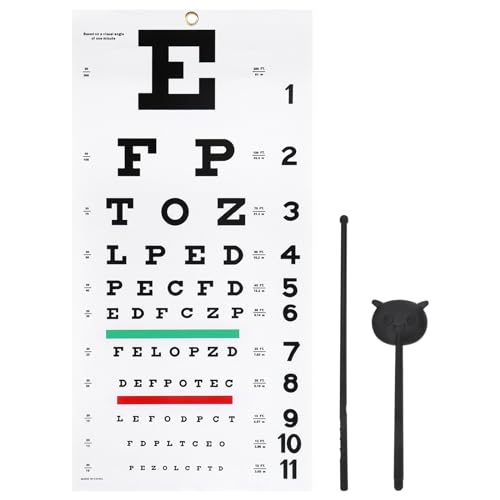
Smgda Eye Chart, Complete Snellen Eye Exam Kit, for Eye Exams 20 Feet 22×11 Inches Low Vision Eye Test Charts with Eye Occluder and Pointer
Complete eye exam kit: includes an 11×22 inch Snellen eye chart and 1 pack eye occluders and Pointer…
As an affiliate, we earn on qualifying purchases.
As an affiliate, we earn on qualifying purchases.
Conclusion
Remember, diabetes is a journey through a winding path. Watch for signs like numbness or blurred vision—your guiding stars. Stay vigilant, for these symptoms are signals, lanterns illuminating hidden dangers. With care, you can steer clear of the stormy clouds ahead. Trust your watchful eye and gentle touch to navigate this course. Every step taken in awareness keeps the shadows at bay, lighting the way toward health and hope for your loved one’s future.

Ascensia CONTOUR NEXT GEN Blood Glucose Monitor All-In-One Kit with 20 Test Strips, Accurate Blood Sugar Monitor, Easy-to-Use Glucose Meter, Portable and Reliable Diabetes Testing Kit
CLINICALLY PROVEN ACCURACY: Track and manage your diabetes confidently with our reliable blood glucose monitoring system. Readings that…
As an affiliate, we earn on qualifying purchases.
As an affiliate, we earn on qualifying purchases.

Dr. Scholl's Men's 4 Pack Diabetic and Circulatory Non Binding Ankle Casual Sock, Black, Shoe Size 7-12 US
This product is accepted by the APMA (American Podiatric Medical Association) for promoting good foot health.
As an affiliate, we earn on qualifying purchases.
As an affiliate, we earn on qualifying purchases.