
TL;DR

Turn quiet afternoons into listening time
- Thousands of audiobooks, podcasts and originals
- Listen on your phone, tablet or Echo — also offline
- Cancel anytime
Recent reports indicate that using HEPA air purifiers might lead to improved brain function after just one month. While preliminary findings generate interest, scientific confirmation is still pending. This trend highlights potential health benefits of air quality management.
Emerging reports indicate that using HEPA air purifiers could lead to measurable improvements in brain function after only one month of use. While this trend is drawing attention from both the public and health researchers, definitive scientific evidence remains limited. The development matters because it suggests a possible, accessible intervention for cognitive health, especially amid rising concerns over air pollution and indoor air quality.
According to recent trend signals, there has been a notable increase in interest and coverage regarding the potential cognitive benefits of HEPA air purifiers. Some preliminary observational data and anecdotal reports suggest that individuals using these devices experience improvements in focus, memory, and mental clarity within four weeks of consistent use. However, these claims are primarily based on early-stage studies and personal accounts, with no large-scale clinical trials yet published to confirm causality or quantify the effect.
Experts caution that while the connection between air quality and brain health is supported by existing research, the specific claim that HEPA purifiers alone can boost brain function in such a short timeframe is not yet scientifically established. The trend appears to be driven by increased public awareness of indoor air pollution’s impact on health, coupled with growing interest in non-pharmaceutical interventions for cognitive enhancement.
Potential Cognitive Benefits of Air Purifiers
If confirmed, the idea that HEPA air purifiers can improve brain function within a month could have significant implications for public health. It would suggest a simple, accessible method to potentially enhance mental performance and reduce cognitive decline, especially in urban or polluted environments. This could influence consumer behavior, indoor air quality standards, and future research priorities. However, without robust scientific validation, these claims remain speculative, and health authorities urge caution in interpreting early findings.
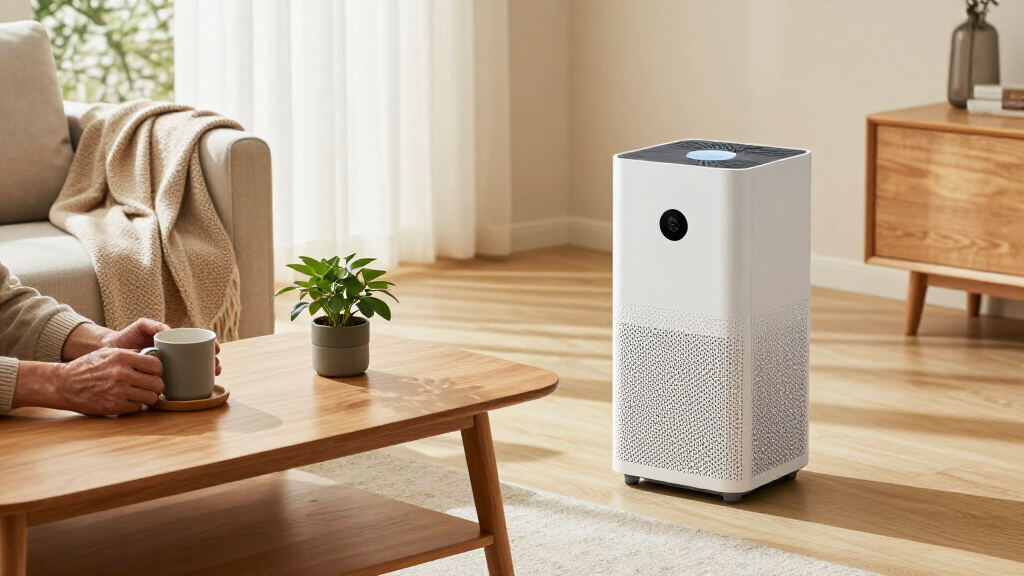
HEPA air purifier for indoor air quality
As an affiliate, we earn on qualifying purchases.
As an affiliate, we earn on qualifying purchases.
Rising Interest in Indoor Air Quality and Cognitive Health
The current surge in coverage about HEPA air purifiers and cognitive benefits aligns with broader concerns over indoor air pollution, which has been linked to respiratory and neurological health issues. Studies over the past decade have established that poor air quality can impair cognitive functions, especially in vulnerable groups like children and the elderly. The recent spike in search interest and media coverage appears to be driven by anecdotal reports and preliminary research suggesting that improving indoor air may have immediate mental health benefits. Despite this, no definitive scientific consensus has yet emerged confirming that HEPA filters can produce rapid cognitive improvements.
As an affiliate, we earn on qualifying purchases.
Unverified Nature of the Cognitive Claims
It remains unclear whether the reported improvements in brain function are directly caused by HEPA air purifiers or are influenced by placebo effects, lifestyle changes, or other factors. No peer-reviewed studies have yet definitively demonstrated a causal relationship or quantified the magnitude of any potential benefit. Researchers stress that current evidence is largely anecdotal or preliminary, and further rigorous clinical trials are needed to substantiate these claims.
As an affiliate, we earn on qualifying purchases.
Next Steps in Research and Public Awareness
Scientists are expected to initiate controlled studies to test the hypothesis that HEPA air purifiers can improve cognitive function within a short period. Meanwhile, health agencies may issue guidance based on emerging but unconfirmed data. Public interest is likely to continue rising, prompting consumers to consider air quality improvements as part of their health routines, despite the lack of definitive proof. Researchers and policymakers will monitor ongoing studies to determine whether these early signals hold under scientific scrutiny.
air purifier with real HEPA filter
As an affiliate, we earn on qualifying purchases.
As an affiliate, we earn on qualifying purchases.
Key Questions
Can HEPA air purifiers really improve my brain function in just one month?
There is currently no conclusive scientific evidence confirming that HEPA air purifiers can boost brain function within a month. Most reports are anecdotal or preliminary, and further research is needed to verify these claims.
What is the basis for the recent interest in this topic?
Public and media interest has increased due to early reports and a surge in online searches about the potential cognitive benefits of air purifiers, driven by concerns over indoor air quality and health.
Are there risks associated with relying on air purifiers for cognitive health?
Currently, there are no known risks from using HEPA air purifiers as directed. However, relying solely on them for cognitive improvement without scientific backing may lead to misplaced expectations.
What should I do if I want to improve my indoor air quality now?
Using HEPA air purifiers can be part of a broader strategy to improve indoor air quality, including regular ventilation, reducing pollution sources, and maintaining cleanliness. Consult health professionals for personalized advice.
Source: rss
Cold & flu season Picks
humidifiers
As an affiliate, we earn on qualifying purchases.