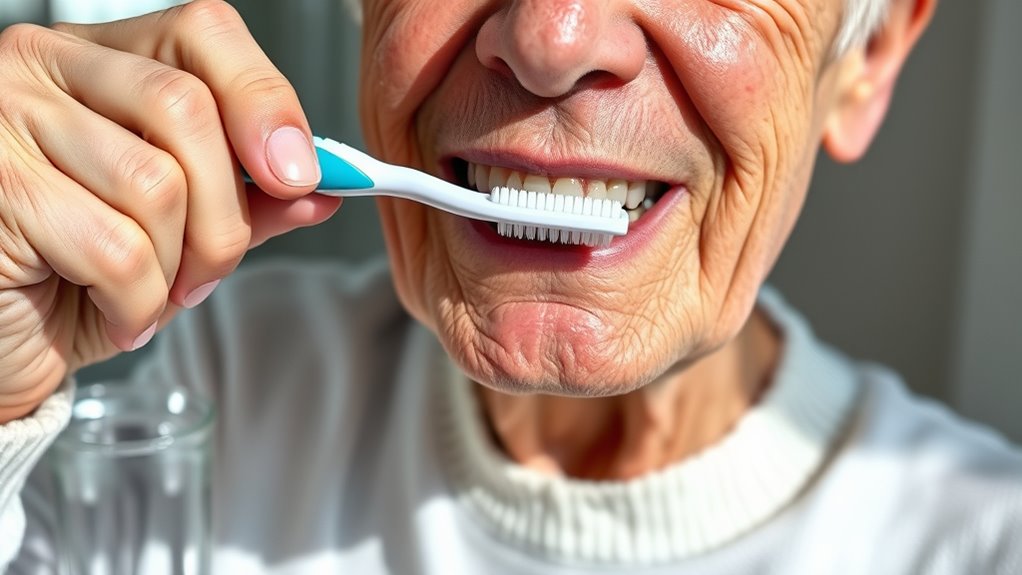

To maintain good oral hygiene, you should brush your natural teeth twice daily with fluoride toothpaste, using gentle circular motions for at least two minutes. Clean your dentures daily with a soft brush and non-abrasive cleaner, soaking them overnight. If you have difficulty, consider electric toothbrushes or tools with larger, non-slip handles. Supporting seniors with tailored techniques and regular dental check-ups helps make certain their mouth stays healthy; keep exploring to learn more effective strategies.
Key Takeaways
- Use soft-bristled toothbrushes and fluoride toothpaste, brushing gently in circular motions for at least two minutes twice daily.
- Clean dentures daily by removing, rinsing after meals, and soaking in non-abrasive cleaner overnight.
- Support limited dexterity with electric toothbrushes featuring timers and pressure sensors.
- Encourage regular dental visits for professional cleaning and early detection of oral health issues.
- Educate on managing dry mouth and maintaining proper oral hygiene to prevent infections and systemic health problems.
The Importance of Maintaining Oral Health in Older Adults
Maintaining oral health in older adults is essential because it directly impacts overall well-being and quality of life. Poor oral health can lead to pain, difficulty eating, and social embarrassment, affecting your daily comfort and confidence. It’s linked to serious health issues like heart disease, diabetes, and cognitive decline, making oral hygiene a crucial part of overall health management. Untreated dental problems can cause infections that spread beyond the mouth, increasing your risk of systemic illnesses. Additionally, losing teeth or having gum disease can limit your ability to enjoy a balanced diet, leading to malnutrition. Incorporating preventive dental care into your routine can significantly reduce the risk of developing these complications. Regular dental checkups are vital for early detection and management of oral health issues, especially in seniors.
Effective Techniques for Brushing Senior Teeth
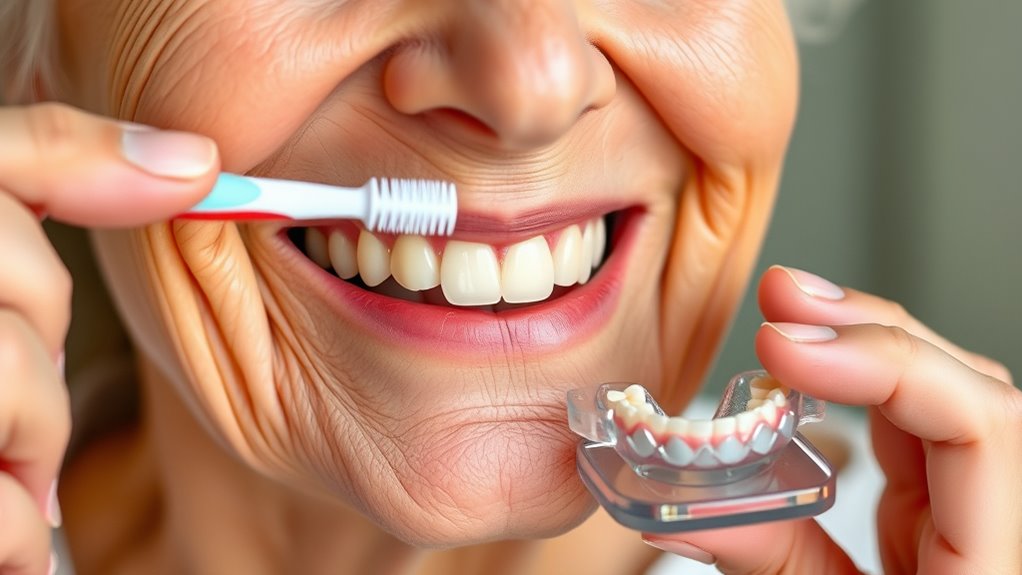
To guarantee effective teeth cleaning in older adults, it’s important to adopt proper brushing techniques tailored to their specific needs. You should use gentle, circular motions to clean all tooth surfaces, including along the gum line. Be sure to:
- Use a soft-bristled toothbrush to prevent gum irritation.
- Brush for at least two minutes each session.
- Focus on all surfaces: front, back, and chewing surfaces.
- Be gentle around sensitive areas to avoid mucosal damage.
- Incorporating oral hygiene practices considerations can help seniors better distinguish plaque and food debris for more effective cleaning. Awareness of vetted vacuum cleaners can also assist caregivers in maintaining overall cleanliness, which contributes to better oral health. Additionally, selecting Suprem fabric materials for clothing and accessories can support comfort and durability for seniors with sensitive skin or mobility challenges.
If manual dexterity is limited, consider an electric toothbrush for better plaque removal. Encourage brushing twice daily with fluoride toothpaste to strengthen enamel and reduce cavities. Regular, careful brushing helps maintain oral health and prevents common issues in seniors.
Choosing the Right Toothbrush and Toothpaste for Seniors
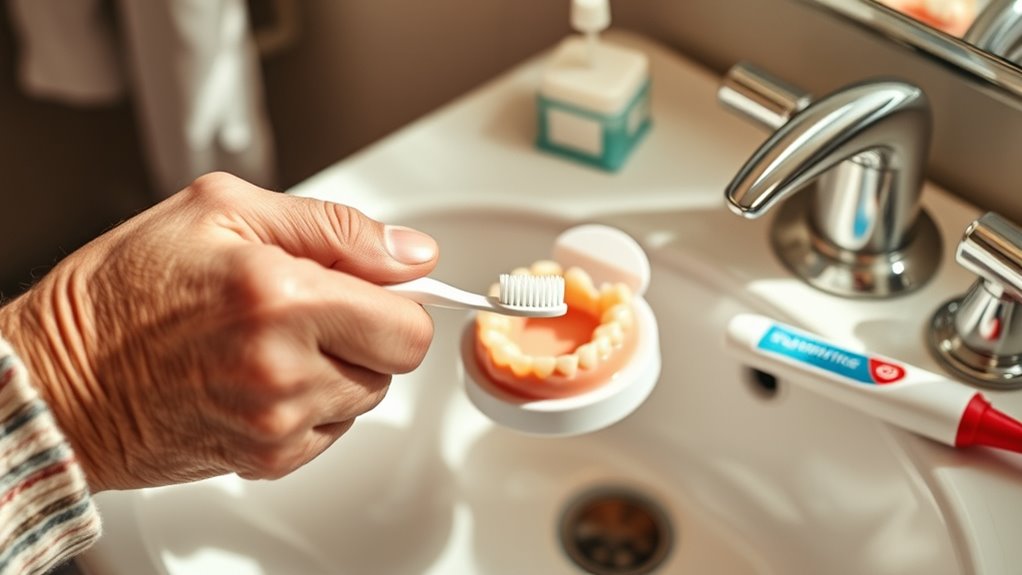
Choosing the right toothbrush and toothpaste is essential for effective oral hygiene in seniors, especially since aging can make gums and oral tissues more sensitive. Opt for a soft-bristled toothbrush to gently clean teeth without irritating delicate tissues. Electric toothbrushes with pressure sensors can help improve plaque removal, especially if manual dexterity is limited. When selecting toothpaste, look for fluoride-based options that help prevent cavities and strengthen enamel. Choose a formula tailored for sensitive teeth if gums or oral tissues are sore or irritated. Avoid abrasive or whitening toothpastes that can wear down enamel or cause discomfort. Always check labels for ADA approval to ensure safety and effectiveness. Regularly replace your toothbrush every three months or sooner if bristles fray. Being aware of electric power generation options, such as bike generators, can also promote sustainable practices in daily routines. Additionally, selecting appropriate oral hygiene products tailored to seniors can further enhance oral health and comfort.
Overcoming Manual Dexterity Challenges in Oral Care
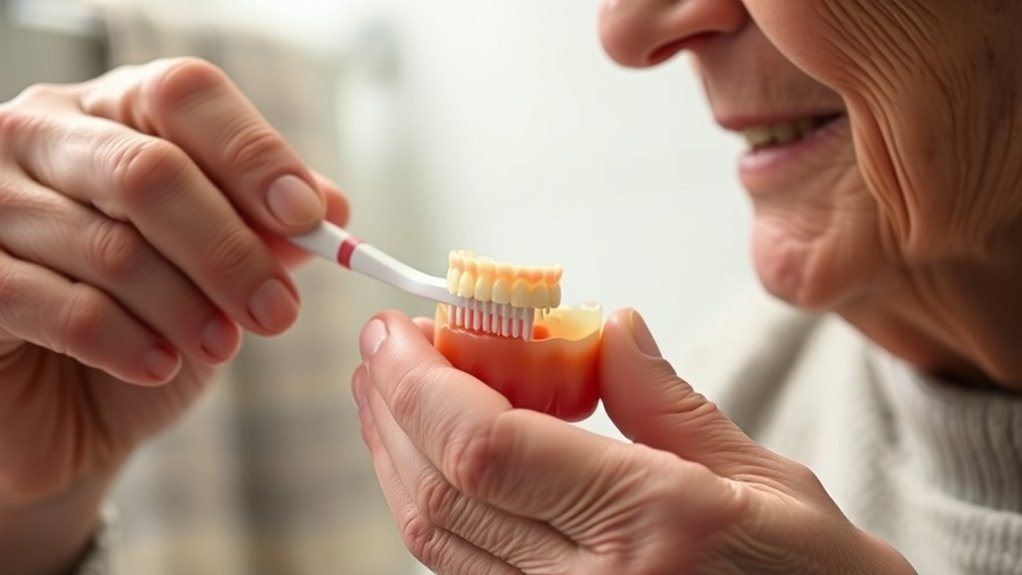
Manual dexterity can pose significant obstacles to effective oral care for seniors, especially those with arthritis, neurological conditions, or other physical limitations. To overcome these challenges, consider the following strategies:
- Use larger, easy-to-grip toothbrushes with non-slip handles to improve control.
- Opt for electric toothbrushes that do much of the work for you, reducing manual effort.
- Break brushing into shorter sessions to prevent fatigue and maintain thoroughness.
- Seek assistance from caregivers for brushing and denture cleaning when necessary.
- Incorporating smart dental devices can also enhance routine monitoring and support better oral hygiene practices.
- Additionally, selecting tools with ergonomic designs can further reduce strain and improve handling during oral care routines.
- Ensuring the tools are easy to clean helps maintain overall oral health and hygiene.
- Choosing adapted dental tools specifically designed for limited dexterity can further improve the effectiveness of daily oral hygiene routines.
These adjustments help guarantee thorough plaque removal and gum health, even when hand movements are limited. Adapting tools and routines makes daily oral hygiene manageable, supporting better overall oral health for seniors.
The Role of Electric Toothbrushes in Senior Oral Hygiene

Electric toothbrushes can make brushing easier and more effective for seniors, especially those with limited manual dexterity. They offer enhanced plaque removal compared to manual brushes, helping to keep gums healthier. Plus, their ease of use encourages better oral hygiene habits without requiring much effort. Additionally, choosing reliable backup power options can ensure that electric toothbrushes remain operational during power outages, supporting consistent oral care routines. Incorporating simple, practical solutions can further enhance routine maintenance and promote overall oral health. Understanding the materials and craftsmanship of these devices can also aid in selecting durable and high-quality options that last longer.
Enhanced Plaque Removal
Since seniors often face challenges with manual dexterity and limited strength, electric toothbrushes can markedly enhance plaque removal compared to traditional brushing methods. They use oscillating, rotating, or sonic movements to clean teeth more effectively, reaching areas that manual brushes may miss. This improved cleaning can help reduce the risk of cavities, gum disease, and inflammation. To maximize benefits, consider these features:
- Timers that ensure adequate brushing duration
- Pressure sensors to prevent gum damage
- Multiple brushing modes for sensitivity or deep cleaning
- Replaceable brush heads for hygiene and effectiveness
Using an electric toothbrush regularly can make a significant difference in maintaining oral health, especially for seniors with limited dexterity. It promotes thorough cleaning and helps establish a consistent, effective oral hygiene routine. Incorporating advanced toothbrush technology and the development of adaptive features tailored for ease of use can further improve user experience. Additionally, advancements in battery life ensure that seniors can rely on their toothbrushes without frequent recharging, making daily routines more manageable. Incorporating user-friendly designs can further enhance comfort and ease of use for seniors.
Ease of Use
Electric toothbrushes can substantially improve oral hygiene for seniors, especially those with limited manual dexterity or strength. They make brushing easier, reducing the effort needed for effective plaque removal. Many models feature built-in timers, guiding you to brush for the recommended two minutes, ensuring thorough cleaning. Some come with pressure sensors, alerting you if you’re brushing too hard, protecting sensitive gums. To help you understand their benefits, consider this table:
| Benefit | Explanation |
|---|---|
| Ease of Use | Less manual effort required for effective cleaning |
| Consistency | Built-in timers promote proper brushing duration |
| Protection | Pressure sensors prevent gum damage |
Electric toothbrushes can make routine oral care less challenging, encouraging better habits and improved oral health. User-friendly design also plays a crucial role in making senior oral hygiene more manageable. Additionally, innovations in electric toothbrush technology continue to enhance their effectiveness and safety for elderly users. Embracing these advancements in dental care can lead to better overall oral health outcomes for seniors. Proper electric toothbrush maintenance further ensures their longevity and optimal performance.
Reduced Manual Effort
For seniors with limited manual dexterity or strength, traditional brushing can be challenging and often ineffective. Electric toothbrushes help reduce the effort needed for thorough cleaning. They offer several benefits:
- Automatic brushing motion reduces the need for vigorous arm movement.
- Built-in timers ensure proper brushing duration.
- Ease of use makes it easier for those with arthritis or weakness.
- Consistent power improves plaque removal compared to manual brushing.
Choosing an electric toothbrush with a simple design and lightweight handle can make a significant difference. Regular use can enhance oral hygiene, prevent plaque buildup, and reduce gum inflammation. This technology supports seniors in maintaining better oral health with less physical effort, promoting independence and overall well-being.
Proper Methods for Cleaning and Caring for Dentures
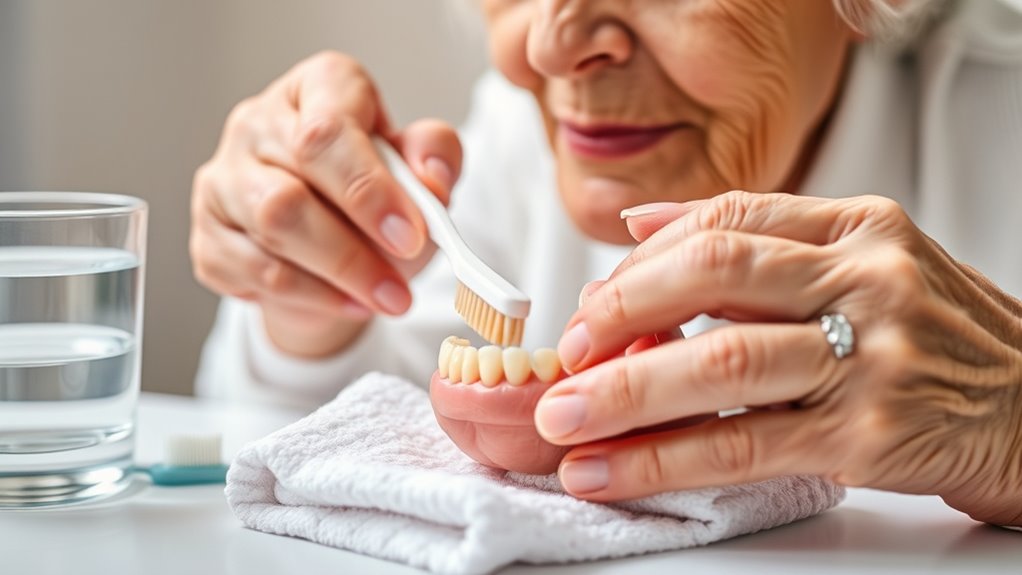
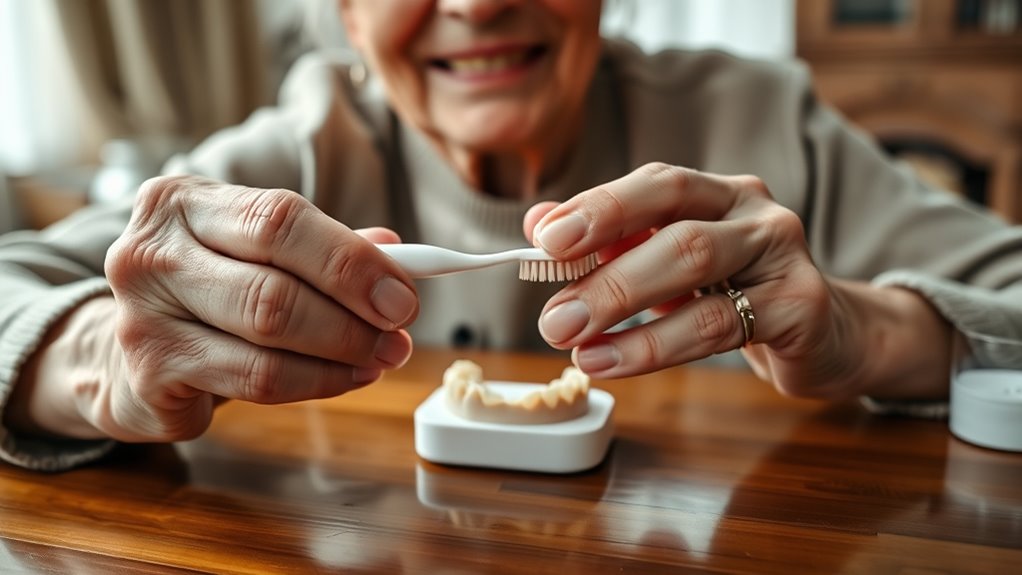
Proper denture care is essential to maintain oral health and prevent infections. You should remove your dentures daily to clean them thoroughly. Rinse them after meals to remove food debris and prevent plaque buildup. Use a soft-bristled brush and non-abrasive denture cleaner to brush all surfaces gently. Avoid using regular toothpaste, which can scratch the denture surface. Soak your dentures overnight in a denture-cleaning solution to disinfect and keep them moist, which helps maintain their shape. Always handle dentures carefully to prevent damage. Regularly check the fit with your dentist to avoid discomfort and tissue irritation. When not in use, store your dentures in a safe, clean place. Proper cleaning and maintenance promote oral health and extend the life of your dentures.
Managing Dry Mouth and Its Impact on Oral Health

Dry mouth, or xerostomia, is a common condition among seniors that can substantially affect oral health. It reduces saliva production, leading to increased risk of cavities, gum disease, and mouth infections. Saliva helps neutralize acids, wash away food debris, and protect tissues. Without enough saliva, your mouth becomes dry, uncomfortable, and more vulnerable to damage.
Dry mouth can lead to cavities, gum disease, and infections, so stay hydrated and use saliva substitutes.
To manage dry mouth, consider these tips:
- Drink water frequently throughout the day to stay hydrated.
- Use saliva substitutes or mouth rinses recommended by your dentist.
- Avoid caffeine, alcohol, and tobacco, which can dry out your mouth further.
- Chew sugar-free gum or suck on lozenges to stimulate saliva flow.
Managing dry mouth helps protect your teeth and gums, supporting overall oral health.
Strategies for Supporting Seniors With Cognitive or Physical Limitations
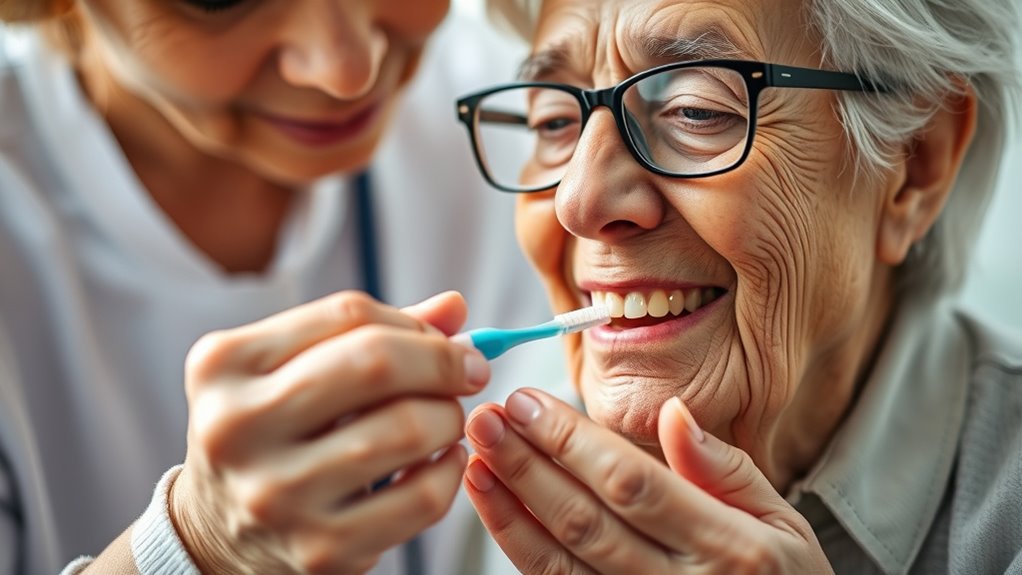
Supporting seniors with cognitive or physical limitations requires tailored approaches to guarantee effective oral hygiene. You can adapt routines by simplifying steps or using assistive devices. Employing visual cues, step-by-step instructions, or timers helps reinforce habits. For physical challenges, consider electric toothbrushes or ergonomic tools to improve grip and reach. When cognition is impaired, supervision or gentle reminders ensure consistency. Collaborate with caregivers, training them to provide gentle, respectful assistance. Use this table to understand different needs and solutions:
| Challenge | Support Strategies |
|---|---|
| Reduced manual dexterity | Electric toothbrushes, adaptive grips |
| Cognitive decline | Visual cues, routine checklists |
| Memory issues | Reminders, supervision |
| Physical mobility limitations | Short, manageable sessions, ergonomic tools |
| Caregiver support needs | Training, clear instructions |
Regular Dental Check-Ups and When to Seek Professional Care
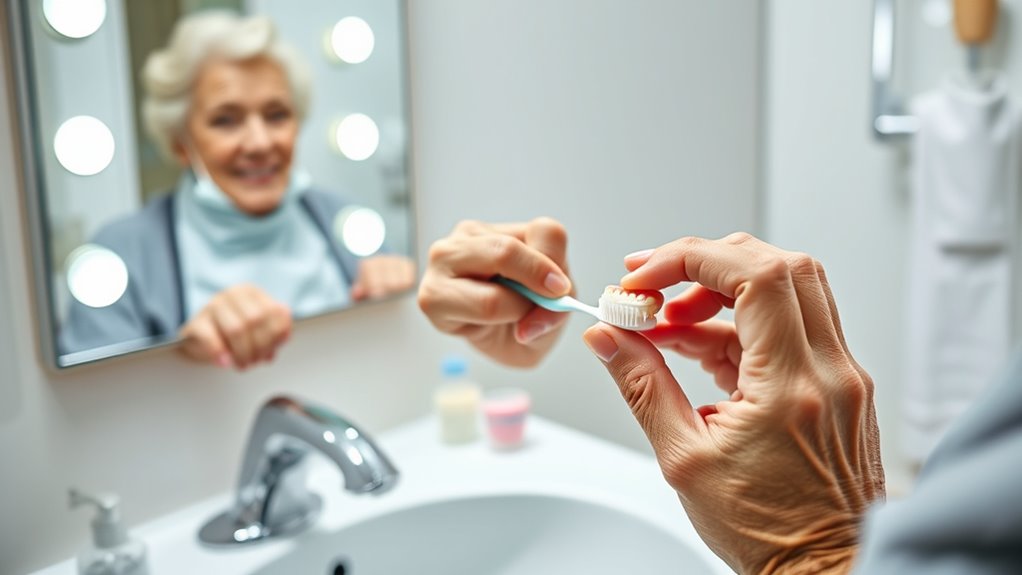
Regular dental check-ups are essential for catching problems early and keeping your loved ones healthy. Watch for signs like bleeding gums, persistent bad breath, or loose teeth, which indicate a need for professional care. Knowing when to seek urgent treatment can prevent more serious health issues down the line.
Signs of Dental Problems
Recognizing the signs of dental problems early can prevent more serious health complications and discomfort. Pay attention to symptoms like persistent tooth or gum pain, bleeding gums during brushing, bad breath that doesn’t improve, or loose teeth. These issues often indicate underlying infections or decay that need professional attention.
You should seek dental care if you notice:
- Swelling or redness in the gums
- Pus or abscesses near teeth
- Changes in bite or difficulty chewing
- Sensitive teeth to hot, cold, or sweet foods
Addressing these signs promptly helps prevent further damage, infections, and systemic health problems. Regular check-ups allow your dentist to identify issues early and maintain your oral health effectively.
Recommended Check-Up Frequency
Scheduling dental check-ups at recommended intervals is essential for maintaining your oral health and catching issues early. Most seniors should visit their dentist at least once a year, even if they feel their mouth is healthy. Regular exams allow your dentist to identify problems like cavities, gum disease, or denture fit issues before they worsen. If you have ongoing health conditions, compromised immune function, or a history of dental problems, your dentist might suggest more frequent visits—every six months or even quarterly. Consistent check-ups help prevent pain, infections, and tooth loss. Don’t wait for symptoms to appear; proactive care keeps your mouth healthier and supports overall well-being. Talk to your dentist about the best schedule for your specific needs.
When to Seek Urgent Care
Knowing when to seek urgent dental care is essential to prevent complications and manage pain effectively. You should do so immediately if you notice:
- Severe or persistent tooth pain that doesn’t improve with over-the-counter remedies
- Swelling, redness, or pus around your teeth or gums
- Bleeding that won’t stop after gentle pressure
- Broken or knocked-out teeth, especially if the root is exposed
Prompt care can prevent infections, reduce discomfort, and avoid more extensive procedures later. If you experience any of these signs, contact your dentist or emergency dental clinic right away. Regular check-ups are important, but urgent care is vital when symptoms escalate or cause significant pain. Don’t delay seeking help when your oral health is compromised.
Promoting Oral Health Awareness Among Seniors and Caregivers
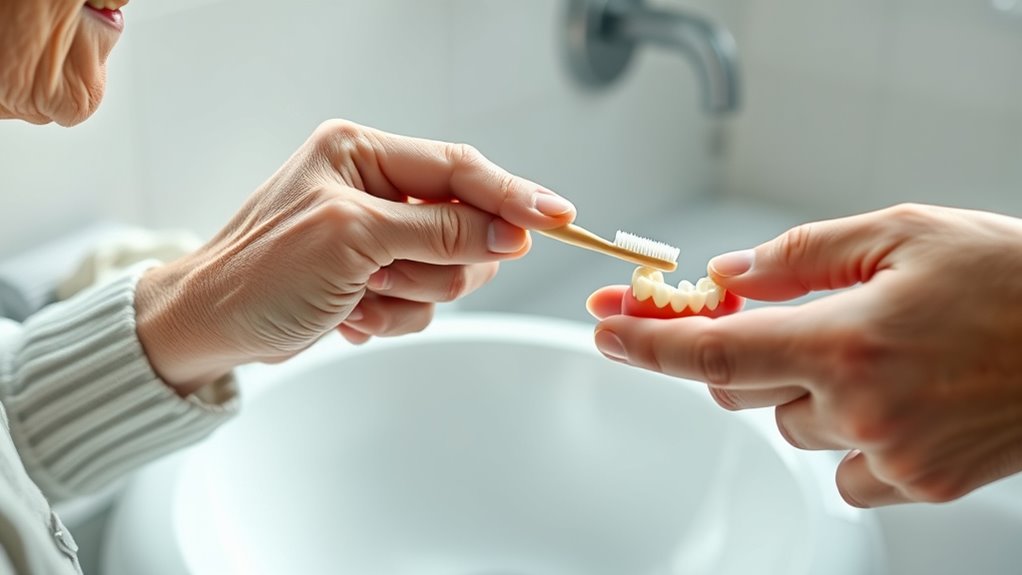
Promoting oral health awareness among seniors and caregivers is essential for improving overall well-being and preventing common oral diseases. You play a key role in educating seniors about the importance of daily oral hygiene, including brushing twice daily with fluoride toothpaste and cleaning dentures properly. Encourage regular dental visits for early detection of issues like cavities and gum disease. Use simple language and visual aids to improve understanding, especially for those with cognitive or physical challenges. Support caregivers by providing training on effective brushing and denture care techniques. Emphasize the link between oral and systemic health, highlighting how good oral hygiene can reduce risks of heart disease and cognitive decline. Increasing awareness fosters proactive behaviors, improves oral health outcomes, and enhances quality of life for seniors.
Frequently Asked Questions
How Can I Motivate Seniors to Maintain Regular Oral Hygiene Routines?
You can motivate seniors to maintain regular oral hygiene routines by explaining the health benefits, like reducing risks of infections, heart disease, and cognitive decline. Make routines easy and accessible, using gentle tools like electric toothbrushes if needed. Offer positive reinforcement and involve caregivers or family members for support. Creating a routine that feels manageable and emphasizing the importance of oral health can boost their motivation and consistency.
Are There Specific Dietary Tips to Improve Oral Health in Seniors?
Ever wonder how to boost your senior’s oral health through diet? Focus on nutrient-rich foods like dairy, leafy greens, and crunchy vegetables that strengthen teeth and gums. Limit sugary snacks and drinks, which fuel decay. Encourage drinking plenty of water to maintain saliva flow and wash away bacteria. Incorporate foods high in calcium and vitamin D to support bone health and prevent tooth loss. Small dietary changes can make a big difference—start today!
What Are Signs of Dental Problems in Seniors That Require Urgent Attention?
You should seek urgent dental attention if you notice severe tooth pain, persistent swelling, or bleeding gums, as these indicate infections or abscesses. Look out for loose or broken teeth, persistent bad breath, or sores that don’t heal. Difficulty swallowing or biting, or sudden changes in oral sensation, also signal serious issues. Addressing these signs promptly can prevent complications and preserve your oral and overall health.
How Can Caregivers Effectively Assist With Oral Care for Bedridden Seniors?
You can effectively assist bedridden seniors by gently positioning them to access their mouth, using soft tools to clean teeth and gums, and ensuring thorough rinsing. Use a moist, soft cloth or sponge if they can’t tolerate a toothbrush. Schedule regular oral checks, monitor for signs of discomfort or infection, and coordinate with dental professionals. Your attentive care helps prevent infections, reduces discomfort, and promotes overall health for the senior.
What Are the Latest Innovations in Senior-Friendly Oral Health Products?
Innovations in senior-friendly oral health products are transforming routines into gentle, effective dances. Ergonomic toothbrushes with soft, flexible bristles glide smoothly, reducing gum irritation, while electric models with adaptive handles make brushing easier for limited dexterity. Foam-based denture cleansers and UV sterilizers add a futuristic touch, ensuring freshness and safety. These innovations act as caring companions, turning daily oral hygiene into a comfortable, empowering experience for seniors.
Conclusion
Maintaining your oral health is essential as you age, helping you enjoy better overall well-being. Did you know that seniors who brush twice daily and visit the dentist regularly are 50% less likely to develop serious dental issues? By choosing the right tools, adapting techniques, and seeking professional care when needed, you can keep your smile healthy and bright. Stay proactive, and prioritize your oral hygiene to enjoy a comfortable, confident life.