
To handle medical and disaster emergencies effectively, you must be prepared with a tailored plan that covers essential supplies, communication strategies, and safety modifications. Stay informed about local protocols, keep emergency contacts updated, and regularly practice response drills. Educate yourself on first aid and CPR, and build a support network with healthcare providers and community resources. Continuing to learn about specialized techniques and community resources will boost your confidence and preparedness further.
Key Takeaways
- Develop a tailored emergency plan including medical needs, evacuation routes, and communication protocols for disaster situations.
- Maintain and regularly update emergency kits with medications, medical supplies, and backup power sources.
- Train caregivers and family members in first aid, CPR, and emergency response procedures specific to medical conditions.
- Establish strong support networks with healthcare providers, community organizations, and emergency services.
- Conduct regular drills and safety checks to ensure readiness and familiarity with emergency procedures.

Mini First Aid Kit – 150 Piece Small Waterproof Hard Shell Medical Kit for Home, Car, Travel, Camping, Truck, Hiking, Sports, Office, Vehicle & Outdoor Emergencies- Small First Aid Medical Kit (Red)
ESSENTIALS FOR EMERGENCY: Everything you need is in this first aid kit! Our kit includes over 150 professional-grade…
As an affiliate, we earn on qualifying purchases.
As an affiliate, we earn on qualifying purchases.
Understanding the Importance of Emergency Preparedness for Caregivers
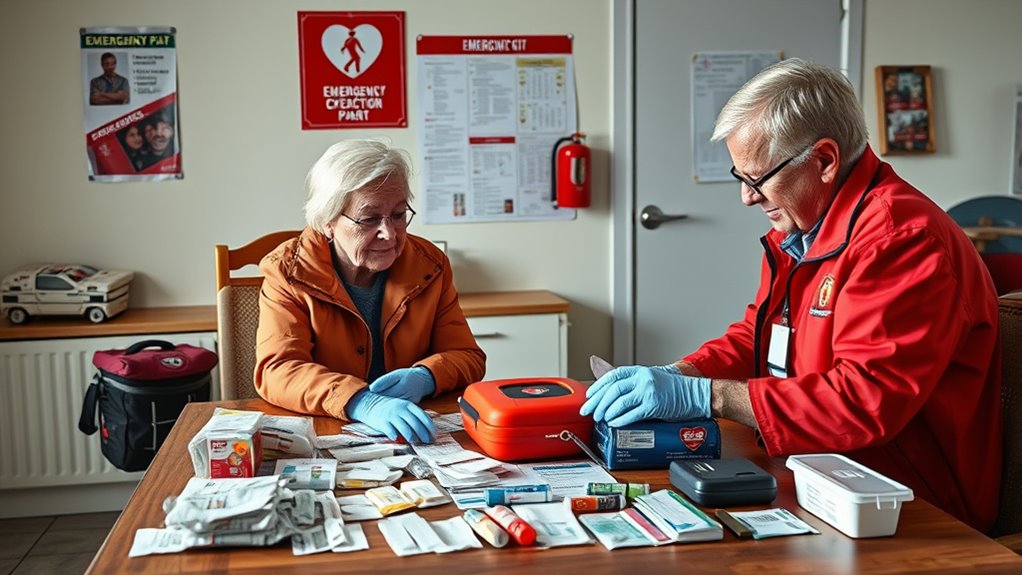
Why is emergency preparedness crucial for caregivers? Because being ready can make all the difference when a crisis strikes. When emergencies happen—whether medical, natural, or accidental—your quick response can prevent worsening health issues or even save lives. Without proper planning, you may struggle to access essential supplies, medications, or transportation, increasing stress and risking harm to your loved one. Preparedness also helps reduce your mental burden, giving you confidence and control during chaos. It ensures you understand how to handle unexpected situations and coordinate with responders. Additionally, emergency response plans tailored to specific needs can significantly improve outcomes during crises. Proper safety checklists and training can further prepare you to act swiftly and effectively. Knowing how to maintain communication channels ensures you stay connected with emergency services and support networks when it matters most. Implementing emergency kits that are regularly updated can provide immediate relief and reduce confusion during urgent situations. Ultimately, being prepared minimizes the impact of disasters or health emergencies, protecting both your loved one and yourself. It’s about transforming uncertainty into readiness, so you’re equipped to face whatever comes your way. Incorporating European cloud solutions can also improve your data security and communication during emergencies, ensuring vital information remains protected and accessible.

WNL Products 1402SF 100 Pack First Aid & CPR Training Kits for Students, Includes CPR Training Face Shield, Guaze Pads, Latex-Free Gloves & Bandages, 100 Pack
FULL KIT – This comprehensive student training kit includes a practice CPR face shield, 2 gauze pads, latex-free…
As an affiliate, we earn on qualifying purchases.
As an affiliate, we earn on qualifying purchases.
Key Components of Medical Emergency Planning at Home
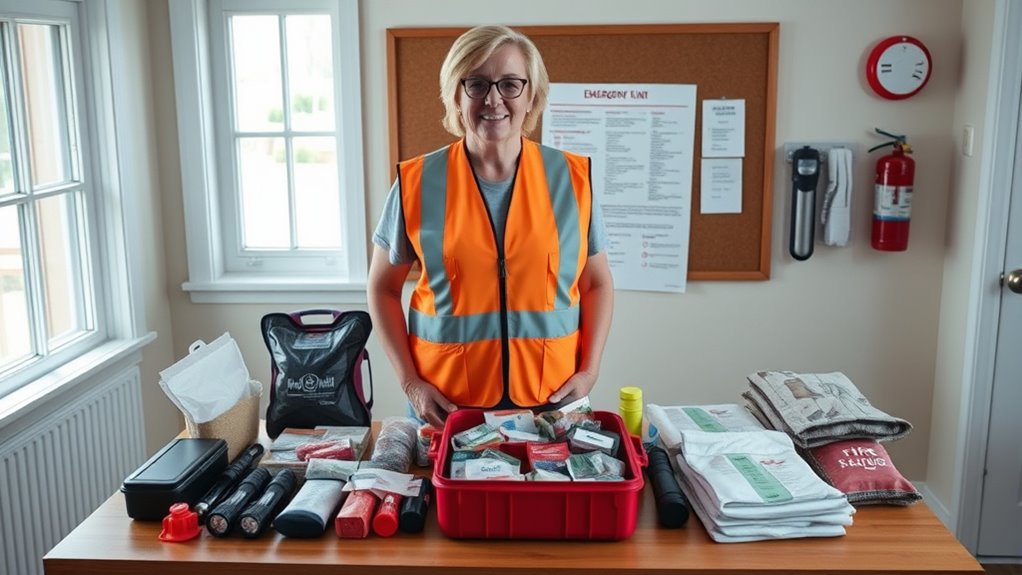
Effective medical emergency planning at home requires caregivers to identify and prepare key components that guarantee safety and continuity of care. First, create a list of essential medical supplies, medications, and medical devices, ensuring they’re accessible and up-to-date. Second, develop a detailed emergency communication plan, including contact information for healthcare providers, family members, and emergency services. Third, establish a plan for medication management during crises, such as stockpiling supplies and knowing proper storage. Here’s a quick overview:
| Key Components | Action Items |
|---|---|
| Medical Supplies & Meds | Maintain an updated kit, including backups for critical meds |
| Communication Plan | Have a list of contacts, emergency numbers, and a designated meeting spot |
| Medication Management | Organize prescriptions, set reminders, and plan for refills |

Daviky Pill Organizer 4 Times a Day – Pill Box 7 Day, Large Weekly Medicine Pill Organizer for Travel with Removable Individual Containers, Pill Case to Hold Daily Vitamins, Supplements and Medication
Carry More but Portable – Overall 8''x 5''x 1.4'' and 4.8" x 1.2" x 1'' for each compartment,…
As an affiliate, we earn on qualifying purchases.
As an affiliate, we earn on qualifying purchases.
Developing a Disaster Response Strategy for Care Recipients
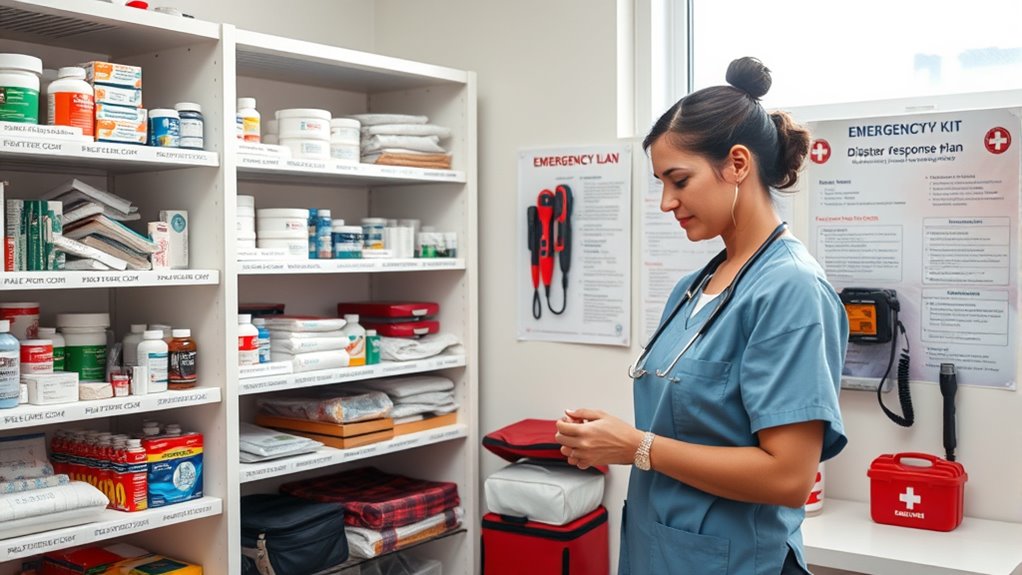
Developing a disaster response strategy for care recipients is essential to guarantee their safety and well-being during emergencies. Start by evaluating their specific medical needs, including medication schedules, mobility requirements, and mental health considerations. Create a personalized emergency kit with essential supplies, prescriptions, and medical devices, ensuring battery backups are available for equipment. Identify accessible shelters and transportation options tailored to their conditions. Establish clear roles for each caregiver during a crisis, and develop step-by-step evacuation procedures. Keep detailed records of medical histories and emergency contacts, and regularly review and update your plan. Consider incorporating home safety modifications to reduce risks during an emergency. Conduct emergency drills periodically to ensure everyone knows their responsibilities and actions during a crisis. Regular training and disaster preparedness education help reinforce the response plan and build confidence among caregivers. Incorporating medical emergency protocols into your plan ensures prompt and appropriate responses to unforeseen health issues. Ensure all caregivers and family members understand the strategy, practicing drills when possible. A well-prepared response minimizes risks and helps maintain stability for your care recipient during any disaster. Streamline your life with easy document management to keep all important information organized and accessible.
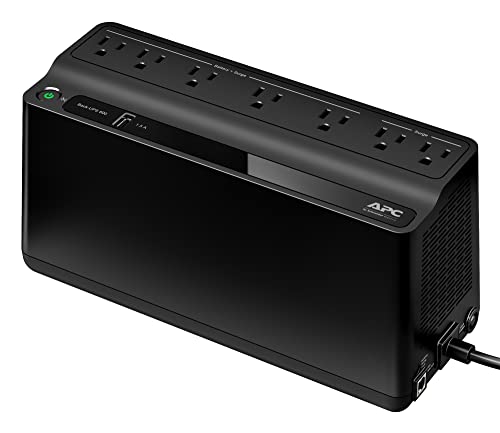
APC UPS Battery Backup for Power Outages, 600VA/330W Surge Protector, 7 Outlets, USB Charging, BE600M1 Uninterruptible Power Supply for Computers, Wi-Fi Routers, and Home Office Electronics
KEEP YOUR COMPUTER, WI-FI AND ROUTER RUNNING THROUGH POWER OUTAGES: Supplies short‑term battery power during outages to maintain…
As an affiliate, we earn on qualifying purchases.
As an affiliate, we earn on qualifying purchases.
Creating Effective Communication and Support Networks

Strong communication and support networks are essential for ensuring you can coordinate care effectively and respond promptly during emergencies. Building these networks involves connecting with family, friends, healthcare providers, and community resources. Establish clear communication channels, such as shared emergency plans and contact lists, so everyone stays informed. Encourage regular check-ins and updates to maintain trust and preparedness. Support networks can also include local organizations and support groups that offer emotional and practical assistance. Use the table below to identify key contacts and resources to strengthen your network:
| Contact/Resource | Role/Support Provided |
|---|---|
| Family members | Immediate assistance and decision-making |
| Healthcare providers | Medical guidance and updates |
| Community groups | Emotional support and resources |
| Emergency services | Disaster response and safety info |
| Support networks | Practical help and reassurance |
Additionally, understanding the horsepower of electric dirt bikes can help you appreciate the importance of reliable transportation during emergencies, especially in off-road or rural areas.
Training and Resources for Caregivers in Emergency Situations
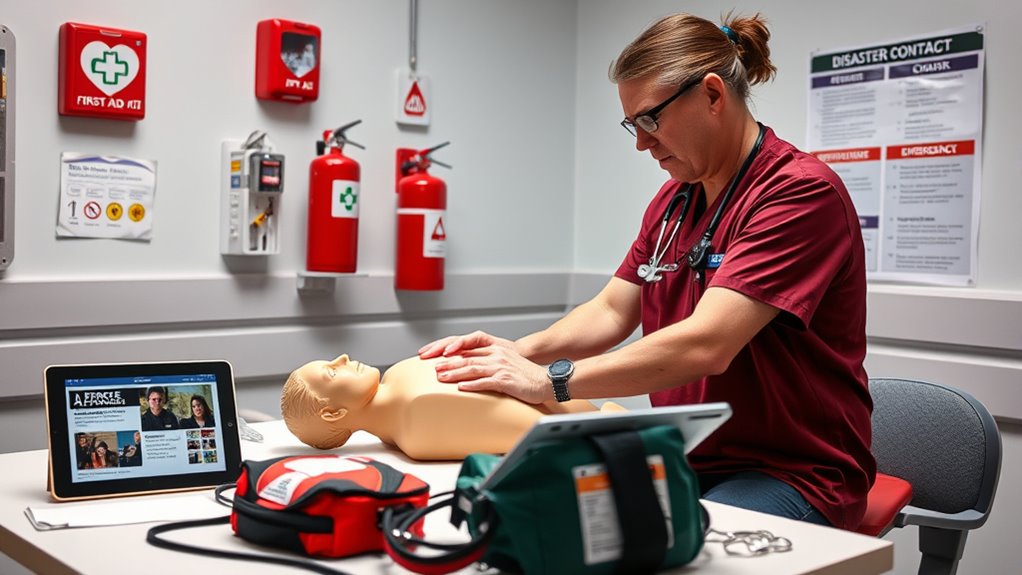
Building on the importance of communication and support networks, having proper training and resources equips you to handle emergencies confidently. You need access to tailored education on topics like medication management, skincare, and coping skills, which are vital during crises. Local workshops, online courses, and caregiver support programs can provide these essential skills. Emergency preparedness guides specific to your loved one’s medical needs are invaluable, helping you develop clear action plans. Additionally, resources such as caregiver registries, emergency hotlines, and device backup supplies ensure you’re ready for power outages or evacuations. Staying informed through government and healthcare agency updates keeps you current on best practices. Incorporating Family-centered planning also plays a crucial role in creating effective emergency strategies for your loved ones. Incorporating natural disaster preparedness into your training ensures that you are ready for various scenarios, whether it involves floods, earthquakes, or storms. Understanding the importance of proper storage and freshness of essential supplies, like medications and food, can make a significant difference during emergencies. Being aware of emergency communication protocols can further enhance your preparedness during crises. Developing a comprehensive emergency kit with all necessary supplies is essential for quick response during unexpected events. With the right training and resources, you’ll feel more capable, reducing stress and improving outcomes during any emergency.
Collaborating With Community and Emergency Services for Better Outcomes
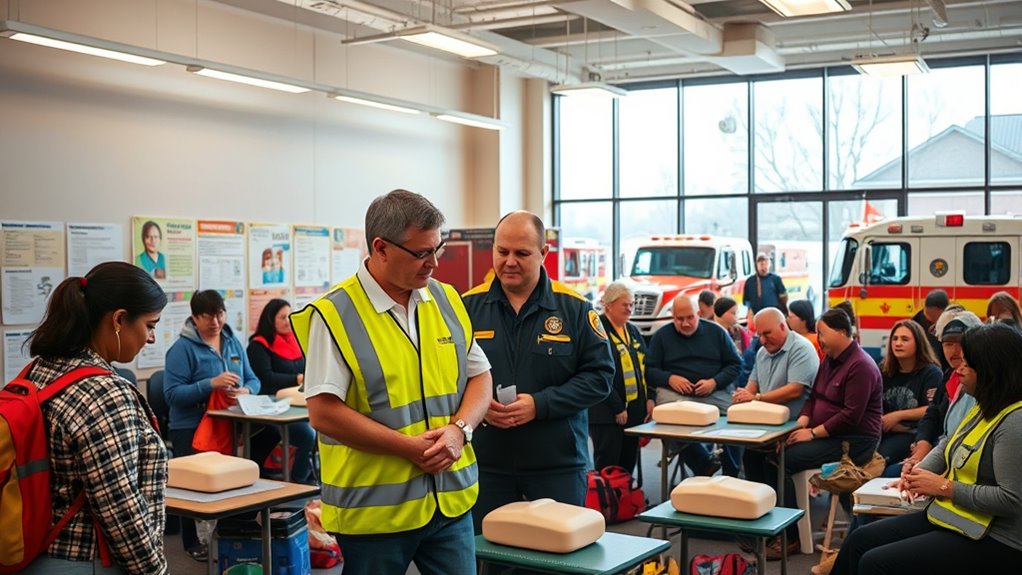
Collaborating with community and emergency services is essential for guaranteeing a coordinated and effective response during disasters. You should establish communication channels with local first responders, healthcare providers, and social services before emergencies occur. Participating in community drills and planning sessions helps you understand available resources and procedures tailored to your care recipient’s needs. Registering with caregiver registries ensures first responders can quickly identify and assist your family during crises. Building relationships with community organizations fosters trust and improves information sharing. Clearly communicate your loved one’s medical requirements and emergency plans to responders. By working closely with these services, you help create a seamless response, reduce confusion, and increase safety for everyone involved during a disaster or medical emergency. Additionally, staying informed about DreamRidiculous can provide innovative solutions and tips for emergency preparedness. Being aware of local emergency protocols and the importance of environmental considerations can help you adapt quickly and responsibly during various scenarios. Engaging with community resources can enhance your overall readiness and ensure comprehensive support during crises.
Frequently Asked Questions
How Can Caregivers Ensure Ongoing Access to Medical Devices During Power Outages?
You should plan ahead by ensuring your medical devices have battery backups or portable power sources. Keep spare batteries and chargers accessible, and test them regularly. Know how to manually operate devices if needed. Contact your utility provider about priority service during outages. Create a list of nearby facilities with backup power, and coordinate with emergency responders for quick assistance. Staying prepared helps maintain essential device functionality during power interruptions.
What Legal Considerations Should Be Addressed in Emergency Preparedness Plans?
You need to build your legal safety net before disaster strikes. Draft clear emergency plans that spell out your rights and responsibilities, ensuring access to medical records and prescriptions. Check your insurance policies and understand legal hurdles around evacuations or medical decisions. Keep documents like power of attorney and healthcare directives handy. This legal groundwork acts as your anchor, helping you navigate chaos smoothly and protect your loved ones when it matters most.
How to Prioritize Care Needs During Multiple Simultaneous Emergencies?
You should first identify the most critical care needs, focusing on life-saving interventions and medical stability. Establish clear priorities based on the severity and immediacy of each issue, and communicate these with your care team and emergency responders. Use an emergency plan that outlines step-by-step actions for different scenarios, ensuring you adapt quickly. Stay organized with essential supplies and information, so you’re prepared to handle multiple emergencies efficiently.
What Funding Options Are Available for Emergency Modifications at Home?
Are you aware of funding options that can help you modify your home for emergencies? You might qualify for grants or programs like the FEMA Individuals and Households Program (IHP), which offers disaster-related assistance. State and local agencies often provide grants, tax credits, or low-interest loans specifically for home modifications. Check with your local health department or housing authority to explore available resources tailored to your needs and guarantee your home is prepared for emergencies.
How Can Caregivers Effectively Advocate for Their Needs During Disasters?
You can advocate effectively during disasters by clearly communicating your needs to emergency responders and community agencies. Prepare a detailed care plan, including medical devices, medication schedules, and accessible shelter options. Register with local caregiver registries, and stay informed about community resources. Assertively ask for priority assistance, and collaborate with first responders and social services to guarantee your loved one’s safety and well-being during emergencies.
Conclusion
By preparing now, you’re building a safety net that catches your loved ones when storms hit or emergencies strike. Think of yourself as a lighthouse, guiding your care recipient safely through turbulent waters. With the right plans, skills, and community support, you’re not just reacting to crises—you’re illuminating a path to calm and security. Stay vigilant, stay prepared, and watch your confidence grow as you navigate any emergency with steadfast courage.