

To avoid neglecting yourself, prioritize scheduling your doctor visits, regular exercise, and proper rest as non-negotiable commitments. Planning these activities in advance helps you stay consistent, catch health issues early, and maintain mental and physical resilience. Setting aside time for self-care reduces stress, prevents burnout, and enhances your overall well-being. Staying proactive in managing your health is essential; keep going, and you’ll discover practical ways to make it a lasting habit.
Key Takeaways
- Schedule regular doctor visits and workouts as non-negotiable appointments to ensure consistency and early health issue detection.
- Plan weekly meals and rest periods to maintain energy, reduce impulsive choices, and support overall well-being.
- Set consistent bedtimes and incorporate relaxation practices to improve sleep quality and mental clarity.
- Prioritize self-care activities to build resilience, reduce stress, and prevent burnout.
- Treat health routines as essential commitments to foster discipline and maintain long-term physical and mental health.

Taking control of your health means proactively scheduling your doctor visits, exercise sessions, and rest periods rather than leaving them to chance. When you plan ahead, you’re more likely to stay consistent, which is crucial for maintaining good mental health and overall well-being. Regular check-ups can catch potential issues early, while scheduled workouts help reduce stress and boost your mood. Don’t wait until symptoms worsen; make appointments a priority and treat them as non-negotiable commitments. This mindset keeps your health at the forefront and prevents neglecting your needs amidst busy days.
Equally important is integrating nutrition planning into your schedule. Proper nutrition supports your mental health by stabilizing mood, improving focus, and reducing anxiety. When you plan your meals ahead, you ensure your body gets the nutrients it needs, preventing impulsive eating that often leads to unhealthful choices. Set aside time each week to prepare balanced meals rich in fruits, vegetables, lean proteins, and whole grains. Having a plan in place minimizes decision fatigue and helps you stick to healthier habits. Consistent nutrition planning also boosts your energy levels, making it easier to stay active and manage stress effectively.
In addition to scheduling, keep in mind that resting is a crucial part of your health routine. Rest isn’t just about sleep; it includes taking breaks during the day to reset your mental state. Prioritize sleep by setting a consistent bedtime and creating a calming pre-sleep routine. Incorporate moments of relaxation into your daily schedule, whether through meditation, reading, or deep breathing exercises. These practices help reduce cortisol levels, improve mental clarity, and foster resilience against daily stressors. When you treat rest as an essential part of your schedule, you’re less likely to burn out or feel overwhelmed, which directly benefits your mental health.
Furthermore, understanding the importance of body recovery through proper rest and sleep can significantly enhance your overall health and resilience.
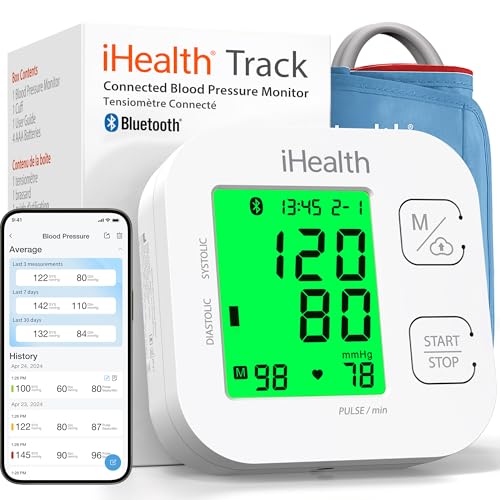
iHealth Track Smart Upper Arm Blood Pressure Monitor with Wide Range Cuff that fits Standard to Large Adult Arms, Bluetooth Compatible for iOS & Android Devices
Clinically Accurate: Easy Operation by two buttons, Advanced Accuracy, No Calibration required.
As an affiliate, we earn on qualifying purchases.
As an affiliate, we earn on qualifying purchases.
Frequently Asked Questions
How Can I Prioritize Self-Care When Busy?
To prioritize self-care when busy, you should create simple self-care routines that fit your schedule, like quick workouts or relaxing breaks. Use time management strategies such as blocking out specific times for exercise, rest, and doctor visits. Remember, putting yourself first isn’t selfish—it’s essential. Make self-care a non-negotiable part of your routine, and you’ll find it easier to stay balanced and energized throughout your busy days.
What Are Signs I Need Immediate Medical Attention?
When your body whispers urgent concerns, don’t overlook it—signs like chest pain, severe shortness of breath, sudden weakness, or intense bleeding signal emergency symptoms needing immediate medical attention. If these occur, head to urgent care or call emergency services right away. Trust your instincts; acting promptly can be life-saving. Remember, listening to your body’s urgent messages ensures you get the care you need without delay.
How Do I Find Time for Regular Exercise?
To find time for regular exercise, prioritize it by incorporating workout planning into your daily schedule. Set realistic goals to boost your exercise motivation, and choose times when you’re most energetic, like mornings or lunch breaks. Even short sessions count, so be flexible. Consistency is key, so treat your workouts like important appointments, and you’ll build a habit that fits into your busy life effortlessly.
What Are Quick Relaxation Techniques for Busy Days?
On busy days, take a few moments for quick relaxation techniques like mindful breathing and quick stretches. Focus on deep breaths to calm your mind and reduce stress, inhaling slowly through your nose and exhaling through your mouth. Then, do simple stretches like neck rolls or shoulder shrugs to release tension. These small practices can refresh you instantly, helping you stay focused and energized throughout your hectic schedule.
How Can I Track My Health Appointments Effectively?
You can track your health appointments effectively by setting appointment reminders on your phone or calendar, so you never forget key dates. Using digital health logs helps you keep a record of your visits, treatments, and symptoms. Make it a habit to review these logs regularly, and sync reminders across devices for seamless management. This way, staying organized and proactive about your health becomes simple and stress-free.

TriggerPoint Grid 1.0 Foam Roller – 13" Multi-Density Massage Roller for Deep Tissue & Muscle Recovery – Relieves Tight, Sore Muscles & Kinks, Improves Mobility & Circulation – Targets Key Body Parts
IMPROVE MUSCLE RECOVERY – Multi-density GRID features a three-dimensional surface that provides more efficient muscle recovery by promoting…
As an affiliate, we earn on qualifying purchases.
As an affiliate, we earn on qualifying purchases.
Conclusion
Remember, you hold the brush to paint your well-being. When you carve out time for doctor visits, exercise, and rest, you’re nurturing a vibrant garden within. Picture yourself walking through lush paths, feeling the warm sun on your skin, and breathing in fresh, rejuvenating air. Prioritize yourself like this, and you’ll cultivate a life full of energy and balance. Don’t let your health fade into the background—seize each moment to care for your own foundation.

yescool Weighted Blanket for Adults (20 lbs, 60” x 80”, Grey) Cooling Heavy Blanket for Sleeping Perfect for 190-210 lbs, Queen Size Breathable Blanket with Premium Glass Bead, Machine Washable
🌙【CHOOSE RIGHT WEIGHT】: Weighted blanket which owns 7%- 10% of your body weight is recommended. For example, a…
As an affiliate, we earn on qualifying purchases.
As an affiliate, we earn on qualifying purchases.
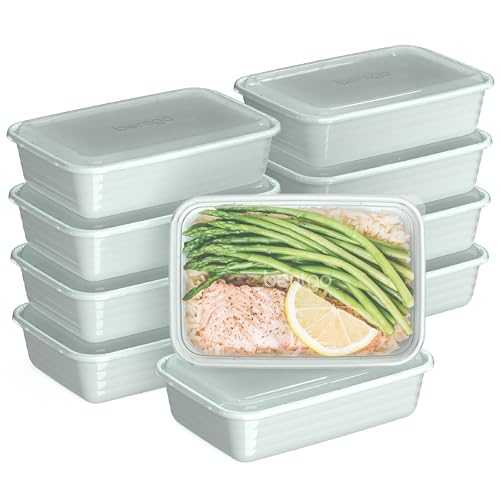
Bentgo Prep – 20-Piece 1-Compartment Reusable Meal Prep Containers with Lids, PFAS & BPA Free Materials, Durable, Microwave, Freezer, & Dishwasher Safe To Go Food Storage (Mint)
#1 Brand Pick for Meal Prep Containers: Bentgo is the top pick for meal prep containers!* This lightweight,…
As an affiliate, we earn on qualifying purchases.
As an affiliate, we earn on qualifying purchases.