
To make snacks more useful in senior care, focus on nutrient-dense ingredients like fruits, vegetables, nuts, and whole grains that provide essential vitamins, fiber, and energy. Control portions with small containers to prevent overeating and promote mindful eating. Combine textures and flavors—like fresh fruit with nuts or yogurt—to boost appeal and satisfaction. Create a calming environment with soothing sounds or gentle lighting, which encourages better intake. Keep exploring for even more ideas to enhance senior snack time.
Listen free for 30 days with Audible
Thousands of audiobooks and originals — cancel anytime.
As an affiliate, we earn on qualifying purchases.
Key Takeaways
- Incorporate nutrient-dense ingredients like fruits, vegetables, and nuts to boost essential vitamin and mineral intake.
- Serve in small, manageable portions to promote portion control and prevent overeating.
- Combine healthy ingredients for balanced snacks that support sustained energy and satiety.
- Create a calming mealtime environment with soothing sounds and lighting to enhance relaxation and appetite.
- Enhance visual and tactile appeal to increase interest and enjoyment during snack consumption.
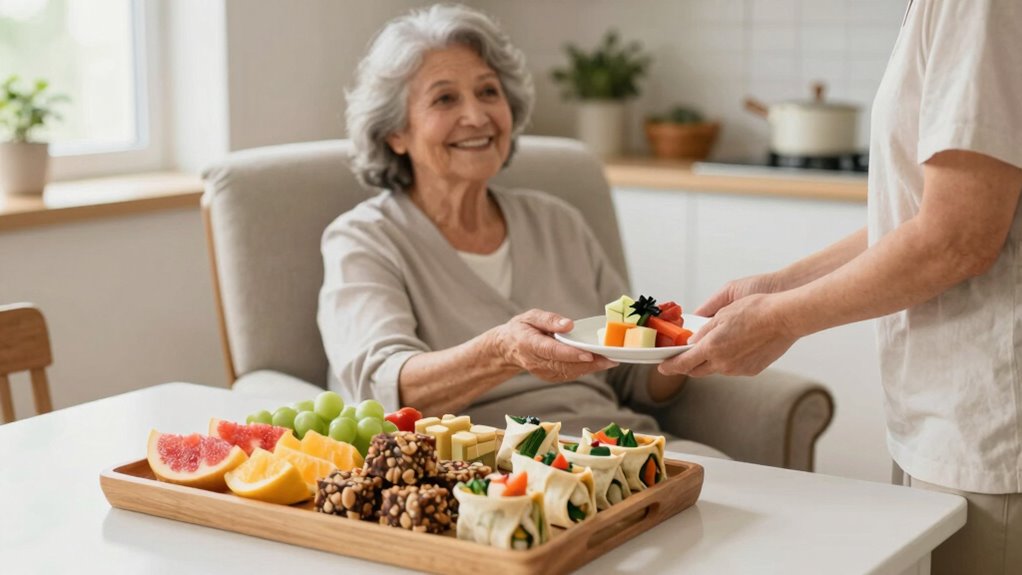
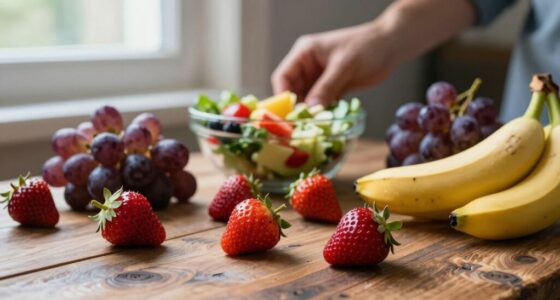
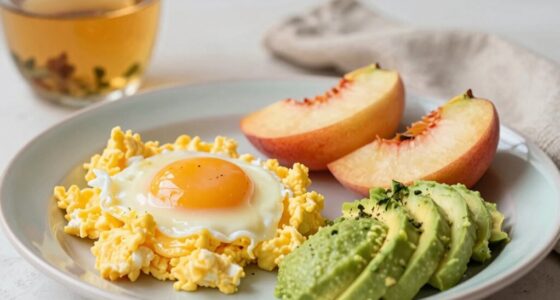
Snacks can play a vital role in senior care when they’re thoughtfully chosen and prepared to meet specific health needs. When you select snacks with healthy ingredients, you’re supporting better nutrition and overall well-being. Focus on incorporating nutrient-dense foods like fresh fruits, vegetables, nuts, and whole grains. These foods provide essential vitamins, minerals, and fiber, helping seniors maintain energy levels, support digestion, and prevent deficiencies. Avoid processed snacks high in added sugars, sodium, or unhealthy fats, as they can undermine health goals and contribute to chronic conditions such as hypertension or diabetes.
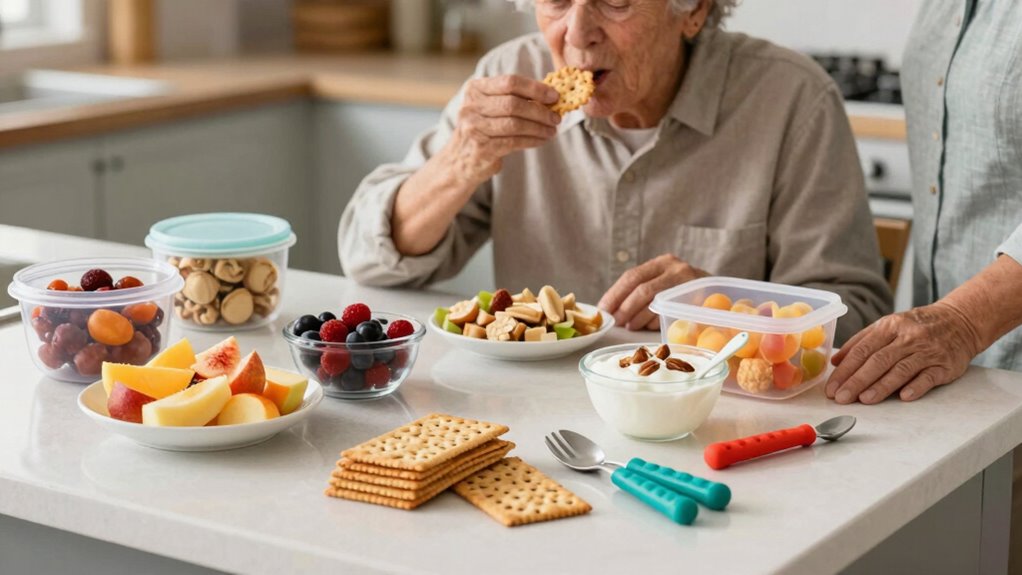
Portion control is equally important when making snacks for seniors. Large servings can lead to overeating and discomfort, especially for those with limited appetite or digestive issues. Use small bowls, containers, or snack-sized portions to help regulate intake naturally. This approach encourages mindful eating and prevents waste. When preparing snacks, aim for single-serving sizes that make it easier for seniors to eat comfortably without feeling overwhelmed. Proper portion control also allows you to monitor nutritional intake more effectively, ensuring they receive the right amount of calories and nutrients without excess.
You can also make snacks more useful by combining healthy ingredients thoughtfully. For example, pair fresh fruit with a handful of nuts to provide a balance of natural sugars, healthy fats, and protein. This combination supports sustained energy and keeps hunger at bay longer. Incorporate dairy or dairy alternatives like yogurt or cheese to add calcium and probiotics, which are beneficial for bone health and digestion. When making snacks, consider textures as well—soft, easy-to-chew options are preferable for seniors with dental issues or swallowing difficulties. Additionally, sound healing science suggests that incorporating calming sounds or gentle vibrations during snack time can enhance relaxation and mindfulness, contributing to a more enjoyable experience. Creating a positive mealtime environment with soothing music or gentle lighting can also promote better appetite and social interaction during snack times. Creating a relaxing atmosphere can further encourage seniors to enjoy their snacks and foster a sense of well-being. Furthermore, paying attention to sensory appeal by enhancing visual and tactile aspects can make snacks more attractive and appetizing, encouraging better intake and enjoyment.
nutrient-dense senior snack containers
As an affiliate, we earn on qualifying purchases.
As an affiliate, we earn on qualifying purchases.
Frequently Asked Questions
Are There Specific Snacks Recommended for Seniors With Dietary Restrictions?
Yes, you should choose snacks that meet seniors’ dietary restrictions. Opt for low sugar options like fresh fruit slices or unsweetened yogurt to reduce sugar intake. For gluten-sensitive seniors, go for gluten-free choices such as rice cakes, nuts, or gluten-free crackers. These snacks help manage health conditions while providing essential nutrients. Always check labels and consult with healthcare providers to confirm the snacks align with individual dietary needs.
How Can Snacks Improve Seniors’ Nutritional Intake Effectively?
Snacks can be a gentle boost to seniors’ nutrition when you choose healthy alternatives and add flavor enhancements. By offering nutrient-dense options like nuts, dried fruits, or yogurt, you support their dietary needs. Enhancing flavors with herbs or natural spices makes snacks more appealing, encouraging better intake without overwhelming their palate. This approach helps make certain seniors receive essential nutrients while enjoying the process of snacking itself.
What Are the Best Snacks to Boost Seniors’ Energy Levels?
To boost seniors’ energy levels, offer snacks rich in healthy carbs and proteins, like nuts, yogurt, or fruit. Incorporate healthy hydration by providing water-rich options such as watermelon or cucumber slices. Use portion planning to prevent overfeeding and guarantee manageable servings. This approach keeps their energy steady, supports hydration, and promotes overall well-being, making snack time both enjoyable and beneficial.
How Should Snacks Be Stored to Maintain Freshness for Seniors?
Like a treasure chest guarding precious gems, you should store snacks in airtight storage containers to preserve freshness. Use snack packaging that’s resealable or vacuum-sealed for convenience and extended shelf life. Keep these containers in a cool, dry place away from sunlight, ensuring snacks stay crisp and nutritious. Proper storage not only maintains quality but also makes it easier for seniors to access healthy options whenever they need a quick energy boost.
Can Snacks Help With Managing Seniors’ Chronic Health Conditions?
Snacks can play a crucial role in managing seniors’ chronic health conditions by promoting healthy hydration and supporting cognitive enhancement. You can offer hydrating snacks like fruit and yogurt to prevent dehydration, which is common in seniors. Nutritious options such as nuts or berries boost brain health and memory. By carefully selecting snacks, you help seniors maintain better health, energy, and mental clarity throughout their day.
small portion snack bowls for seniors
As an affiliate, we earn on qualifying purchases.
As an affiliate, we earn on qualifying purchases.
Conclusion
Incorporating nutritious snacks into senior care isn’t just about convenience; it’s about enhancing health and well-being. Some might worry snacks could lead to weight gain or disrupt meal routines, but when chosen wisely, they support energy levels and fill nutritional gaps. By selecting wholesome options and offering them thoughtfully, you guarantee seniors enjoy tasty treats that boost their health without compromise. After all, good snacks can be a simple yet powerful way to care more effectively.
As an affiliate, we earn on qualifying purchases.
calming music for elderly mealtime
As an affiliate, we earn on qualifying purchases.
As an affiliate, we earn on qualifying purchases.
Fall Picks
fall essentials
As an affiliate, we earn on qualifying purchases.