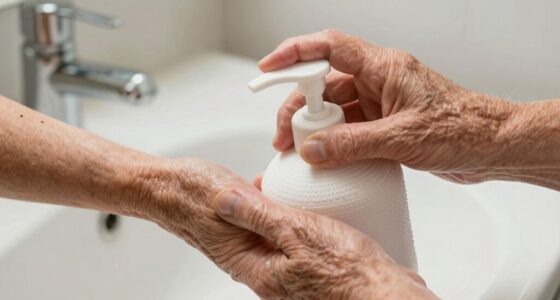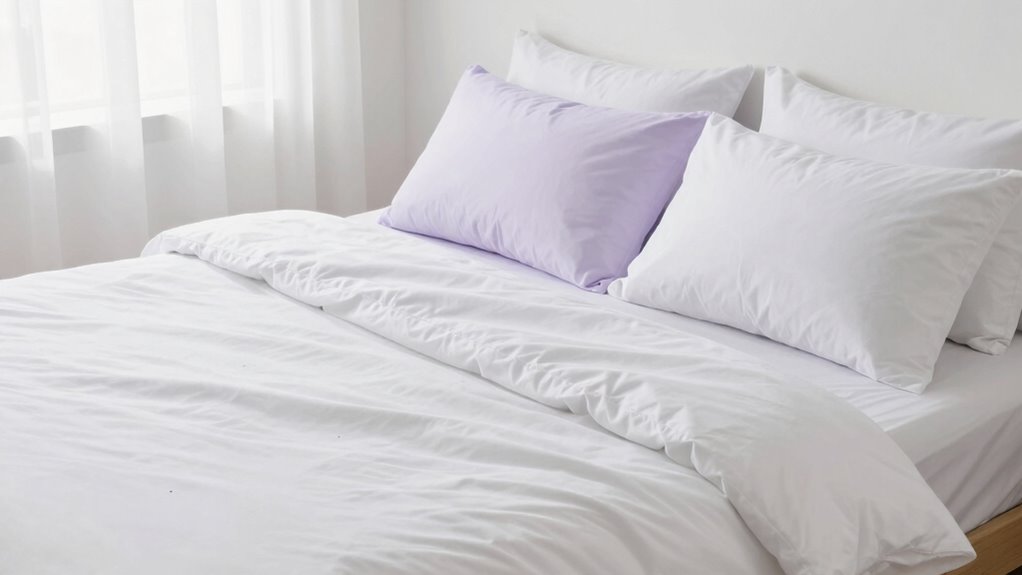

Clean bedding is essential for your health, sleep quality, and overall well-being. It creates a comfortable environment that helps you fall asleep faster and stay asleep longer. Regular washing reduces allergens like dust mites, pet dander, and mold, which can trigger allergies and asthma. It also prevents bacteria and fungi from thriving, protecting your skin and preventing infections. By maintaining clean bedding, you support better rest and a healthier life—discover more reasons why it truly matters.
Play games included with Prime
Start a Prime free trial and play with Amazon Luna on your devices.
As an affiliate, we earn on qualifying purchases.
Key Takeaways
- Clean bedding improves sleep quality by creating a hygienic environment that promotes restful, uninterrupted rest.
- Regular washing reduces allergens like dust mites, pet dander, and pollen, preventing allergy and asthma symptoms.
- Maintaining cleanliness prevents bacteria and fungi buildup, lowering the risk of skin irritations and infections.
- Fresh bedding enhances psychological comfort, relaxation, and supports consistent sleep routines.
- Prioritizing bedding hygiene boosts overall health, energy, and mental well-being by preventing illness and promoting cleanliness.
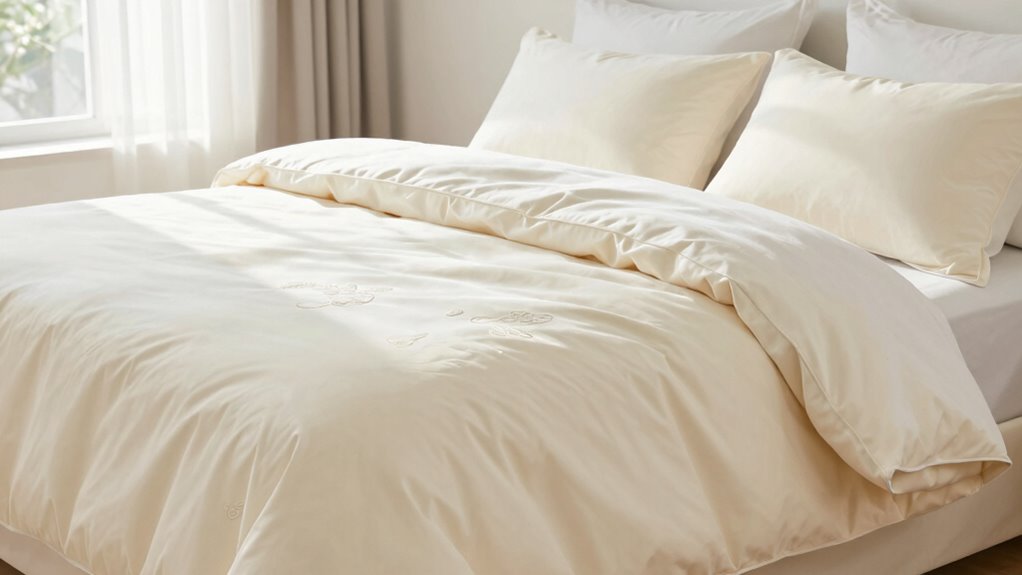
Many people underestimate how much their bedding impacts overall health and well-being. The way you care for your sheets, pillowcases, and blankets directly influences your sleep hygiene, which plays a *pivotal* role in your daily health. Good sleep hygiene isn’t just about getting enough rest; it’s about creating an environment that promotes restful, uninterrupted sleep. Clean bedding contributes *considerably* to this environment by reducing the presence of dust, dirt, and bacteria that can disrupt your sleep cycle. When your bedding is fresh, it’s easier to fall asleep quickly and stay asleep longer, leading to more restorative rest.
Clean bedding greatly enhances sleep quality by reducing dust, dirt, and bacteria that can disrupt rest.
Beyond sleep hygiene, allergen control is a *key* reason to keep your bedding clean. Over time, allergens like dust mites, pet dander, mold spores, and pollen settle into your sheets and pillowcases. These allergens can trigger allergies and asthma, causing symptoms like sneezing, congestion, itchy eyes, and breathing difficulties. Regularly washing your bedding at high temperatures helps eliminate these irritants, making your sleep environment safer and more comfortable. If you’re prone to allergies, consider using hypoallergenic pillow covers and mattress protectors, which act as barriers against allergens and make cleaning more effective.
Cleaning your bedding isn’t just about removing visible dirt; it’s about maintaining a *healthier* environment for your body. When you neglect regular washing, you allow bacteria and fungi to thrive, potentially leading to skin irritations or infections. Bedding that’s left unwashed for too long can harbor sweat, oils, and dead skin cells, which provide nourishment for bacteria. This buildup can cause skin breakouts or exacerbate existing skin conditions. By establishing a routine of washing your bedding weekly or bi-weekly, you ensure a cleaner, fresher sleep space that promotes better skin health and reduces the risk of infections.
Another important aspect is that clean bedding encourages better sleep habits overall. When your sheets are fresh and smell clean, you’re more likely to look forward to bedtime. Consistent cleanliness creates a *reassuring* environment, helping you relax and unwind after a long day. *Furthermore*, it reduces the presence of pests like dust mites and bed bugs, which are notorious for affecting sleep quality and causing discomfort. Maintaining a clean sleeping environment also fosters a sense of routine and discipline, which can positively influence your overall sleep hygiene.
In essence, your bedding isn’t just a comfort item; it’s a *crucial* part of your health. Regular washing and allergen control are simple, effective ways to improve your sleep quality, protect your skin, and prevent allergy or asthma symptoms. When you prioritize clean bedding, you’re investing in better sleep, better health, and a more refreshed you each morning.
As an affiliate, we earn on qualifying purchases.
Frequently Asked Questions
How Often Should I Wash My Bedding for Optimal Hygiene?
You should wash your bedding at least once a week for ideal hygiene. Regular laundry frequency helps remove dirt, sweat, and allergens, ensuring better bedding maintenance. If you have allergies or sensitive skin, consider washing more often, like twice a week. Don’t forget to change pillowcases and duvet covers regularly, as they accumulate oils and bacteria. Keeping a consistent laundry routine keeps your sleeping environment fresh, healthy, and comfortable.
Can Unclean Bedding Cause Allergies or Asthma?
Unclean bedding can definitely trigger allergies or asthma. Dust mites thrive in unwashed sheets, causing allergic reactions and worsening asthma symptoms. If you have chemical sensitivities, residual detergents or fabric softeners in unwashed bedding can also irritate your respiratory system. Regularly washing your bedding helps reduce dust mites and chemical residues, creating a healthier sleeping environment and minimizing allergy or asthma flare-ups.
What’s the Best Way to Remove Stubborn Stains From Bedding?
Did you know that over 60% of people struggle with stubborn stains on bedding? To remove them, act quickly with stain removal techniques, like applying a mixture of baking soda and water or a specialized fabric care product. Gently scrub and let it sit before washing. For best results, always follow fabric care labels. This approach helps eliminate tough stains and keeps your bedding fresh and clean.
Does Clean Bedding Improve Sleep Quality Significantly?
Yes, clean bedding can considerably improve your sleep quality. When your sleep environment is fresh and inviting, you’re more likely to relax and rest deeply. High-quality bedding materials combined with regular washing reduce allergens and bacteria that can disrupt sleep. By maintaining clean bedding, you create a healthier, more comfortable sleeping space, helping you fall asleep faster and enjoy more restorative sleep throughout the night.
Are There Specific Detergents Recommended for Sensitive Skin?
Yes, there are specific detergents recommended for sensitive skin. You should look for hypoallergenic detergents that are free from harsh chemicals and dyes, which can irritate your skin. Fragrance-free options are also a good choice, as added fragrances often cause allergic reactions. These types of detergents help keep your bedding clean without causing skin irritation, making your sleep environment safer and more comfortable.
mattress protector for allergies
As an affiliate, we earn on qualifying purchases.
As an affiliate, we earn on qualifying purchases.
Conclusion
Think of your bedding as the foundation of a cozy home—if it’s dirty, everything else feels off. Regularly washing your sheets isn’t just about comfort; it’s about creating a sanctuary that nurtures your health and well-being. Like tending a garden, consistent care keeps your environment fresh and vibrant. So, don’t overlook the importance of clean bedding; it’s the quiet hero that supports your daily comfort and long-term health.
As an affiliate, we earn on qualifying purchases.
high temperature laundry detergent for bedding
As an affiliate, we earn on qualifying purchases.
As an affiliate, we earn on qualifying purchases.
Fall yard work Picks
leaf blowers
As an affiliate, we earn on qualifying purchases.