To help seniors feel more comfortable during showers, create a safe and organized routine by keeping essentials within reach and using assistive devices like grab bars and a shower chair. Make sure the bathroom is well-lit, ventilated, and free of clutter to prevent slips. Take your time, use mild soaps, and rinse thoroughly. Focus on gentle drying and dressing, and adjust the environment for independence and safety. If you continue, you’ll discover more ways to enhance comfort and confidence.

Turn quiet afternoons into listening time
- Thousands of audiobooks, podcasts and originals
- Listen on your phone, tablet or Echo — also offline
- Cancel anytime
Key Takeaways
- Keep essentials within easy reach and organize the shower space for independence and ease of use.
- Use safety aids like grab bars and shower chairs to enhance stability and confidence during bathing.
- Maintain a comfortable water temperature and gentle washing techniques to prevent skin irritation.
- Ensure proper lighting and ventilation to create a safe, glare-free, and comfortable environment.
- Establish a consistent routine to promote familiarity, reduce anxiety, and support independence in showering.

Taking regular showers is essential for maintaining good hygiene and overall health, especially for seniors. A consistent shower routine not only keeps you clean but also boosts your confidence and sense of independence. If you live alone or in an assisted setting, establishing a comfortable, efficient routine can make a big difference in how you feel each day. When you’re managing mobility challenges, investing in the right mobility aids can help you maintain your independence while guaranteeing safety and comfort during showers.
Start by preparing everything you need before you step into the shower. Keep your soap, shampoo, towel, and any other essentials within easy reach. Using shower caddies or shelves mounted at accessible heights helps prevent unnecessary bending or stretching, which can be difficult if your mobility is limited. If you have mobility aids like grab bars or a shower chair, make sure they are securely installed and positioned where you’ll need them most. These aids provide stability and reduce the risk of slips or falls, giving you confidence as you move around. Additionally, understanding the importance of contrast ratio in your environment can help you optimize lighting and reduce glare, making your shower space safer and more comfortable. Incorporating proper lighting design can further enhance safety by ensuring your bathroom is well-lit without harsh shadows or excessive brightness.
When you’re ready to shower, take your time and move deliberately. If you use a mobility aid, like a walker or a cane, consider a shower chair or bench to sit on. Sitting reduces fatigue and gives you a stable seat, making the process safer and more comfortable. If standing for long periods isn’t feasible, a shower chair allows you to clean yourself thoroughly without overexerting. Remember to keep your water at a comfortable temperature to avoid burns, as sensitivity can sometimes decrease with age. Using assistive technology such as handheld showers can make rinsing easier and more effective, especially for those with limited mobility.
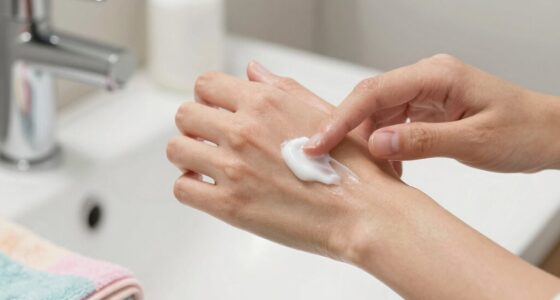
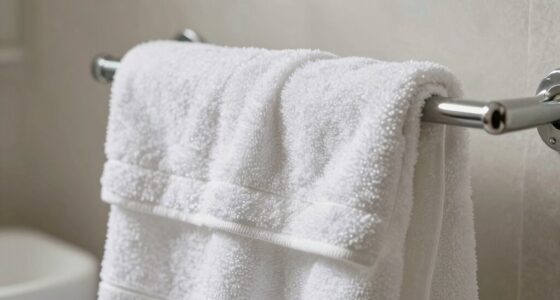
As you wash, focus on gentle, thorough cleaning—using mild soap to prevent skin irritation. Rinse carefully, making sure no soap residue remains, especially in areas prone to irritation or infection. Once you’re done, take your time to dry off completely, especially in areas prone to moisture buildup, to prevent skin issues. Wrap yourself in a soft towel, and use your mobility aids to help you stand or sit securely as you dry and get dressed. Incorporating indoor air quality considerations, such as proper ventilation, can also help keep your skin healthy and reduce discomfort caused by excess humidity.
Maintaining a steady, organized shower routine with the right tools helps you stay independent longer. It encourages you to take control of your hygiene while minimizing potential hazards. Making small adjustments, like installing grab bars or using a shower chair, ensures that your routine remains safe and comfortable, fostering a sense of autonomy and well-being. When you approach your shower with preparation and the right aids, you’ll find it easier to enjoy each shower, knowing you’re taking care of yourself confidently and safely.
As an affiliate, we earn on qualifying purchases.
Frequently Asked Questions
How Often Should Seniors Shower to Maintain Hygiene?
You should shower about two to three times a week to maintain personal hygiene and support skin health. Regular bathing helps remove dirt, sweat, and bacteria, reducing the risk of infections. However, if your skin becomes dry or irritated, consider shorter, more frequent showers with gentle soap. Adjust your routine based on your skin’s needs, outdoor activity level, and doctor’s advice to stay clean and comfortable without compromising skin health.
Are There Specific Shower Products Recommended for Seniors?
You’ll find that luxury bath products and fragrant shower gels can make a big difference in your shower routine. Look for gentle, moisturizing options designed for sensitive skin, with mild fragrances to avoid irritation. Products with added vitamins or oatmeal can soothe and nourish your skin. Selecting those specifically made for seniors guarantees comfort, safety, and a touch of indulgence, making every shower a relaxing and enjoyable experience.
How Can Caregivers Assist Seniors During Showers?
You can assist seniors during showers by using assistive devices like grab bars, shower chairs, and handheld showers to guarantee safety. Offer emotional support by staying nearby, speaking calmly, and encouraging them throughout the process. Respect their independence while gently guiding them when needed, and always check that the environment is secure and comfortable. Your attentive presence helps seniors feel more confident and relaxed during their shower.
What Safety Equipment Can Prevent Slips and Falls?
Think of safety equipment like a sturdy safety net beneath a tightrope. You can prevent slips and falls by installing non-slip mats on the shower floor, giving your loved one a firm grip on each step. Grab bars are essential anchors, providing support and stability. Together, these tools create a safer shower environment, helping seniors feel more confident and secure during their routine.
How to Address Seniors’ Privacy Concerns During Showers?
To address seniors’ privacy concerns and preserve their dignity during showers, guarantee they have control over their bathing environment. Use privacy curtains or screens, and offer them a shower chair for comfort. Communicate openly about their preferences, and always knock before entering. Respect their wishes, and involve them in decisions about their shower routine, making them feel secure and respected throughout the process.
As an affiliate, we earn on qualifying purchases.
Conclusion
By following this shower routine, you’ll help seniors stay comfortable, safe, and fresh every day. Remember, a gentle approach and proper support make all the difference—think of it as their own personal spa day, no matter the era. Just like the timeless elegance of a Victorian bath, creating a calming routine fosters dignity and independence. With patience and care, you turn a simple shower into a moment of comfort that lasts a lifetime.
As an affiliate, we earn on qualifying purchases.
handheld shower head for seniors
As an affiliate, we earn on qualifying purchases.
As an affiliate, we earn on qualifying purchases.
Cold & flu season Picks
humidifiers
As an affiliate, we earn on qualifying purchases.