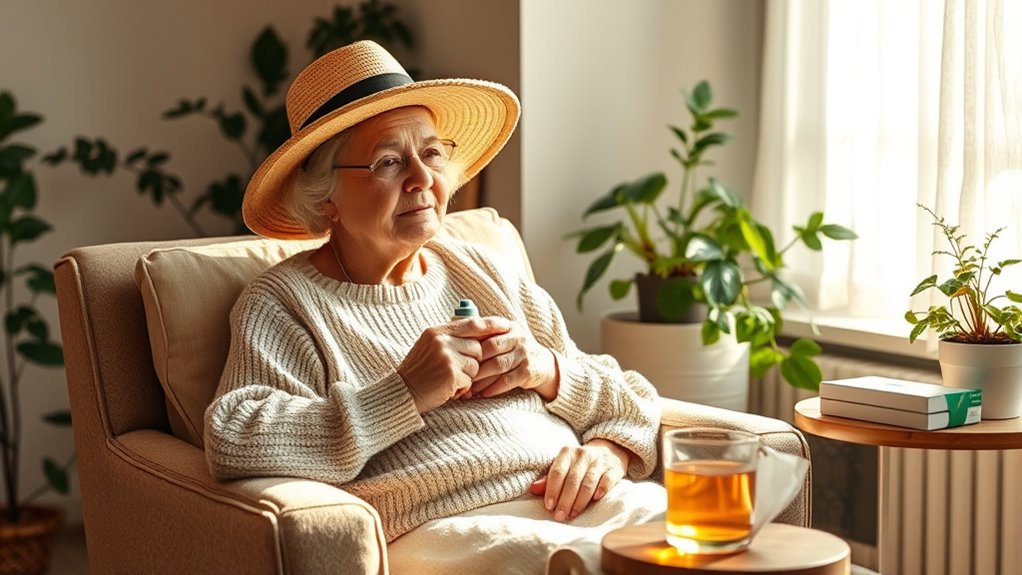

During allergy season, you can support seniors by ensuring their medications are current and taken as prescribed, while keeping their environment clean and allergen-free. Encourage habits like showering after outdoor activities, using HEPA filters, and keeping windows closed during peak pollen times. Small adjustments, such as removing dust-trapping items and controlling indoor humidity, can make a big difference. To create a more comfortable, harm-free space, consider the simple steps outlined here for better allergy management.
Key Takeaways
- Keep allergy medications current, properly administered, and consult healthcare providers for adjustments as needed.
- Implement environmental modifications like closed windows, HEPA filters, and regular cleaning to reduce indoor allergens.
- Encourage showering and pet care routines after outdoor activities to minimize pollen and pet dander indoors.
- Create a calming indoor environment using high-quality visual aids and maintain good air quality for comfort.
- Monitor allergy symptoms closely and collaborate with healthcare providers to adjust medications and environmental strategies.

As allergy season ramps up, it’s essential to take proactive steps to manage your symptoms and stay comfortable. One of the most effective ways to do this is through proper medication management. Make sure your loved one’s allergy medications are up-to-date and taken as prescribed. Keep a schedule for their antihistamines, nasal sprays, or other allergy relief options, and don’t forget to consult their healthcare provider if symptoms worsen or if new medications are needed. Having the right medications on hand can prevent minor discomfort from escalating into more serious issues, especially for seniors who might have underlying health conditions. It’s also wise to review any potential side effects or interactions with existing medications and adjust as necessary under medical supervision. Using appropriate home theatre projectors with features like high contrast ratios can also be beneficial for creating a relaxing environment to help ease allergy symptoms.
Proactively manage allergy medications and consult healthcare providers to prevent symptoms from worsening.
Alongside medication management, environmental modifications play a vital role in reducing allergy symptoms. Simple changes around the home can make a significant difference. Encourage your loved one to keep windows closed during peak pollen times, especially early mornings and late afternoons when pollen counts are highest. Using high-efficiency particulate air (HEPA) filters in the bedrooms and living areas helps trap airborne allergens, creating a cleaner indoor environment. Regularly cleaning and dusting surfaces with a damp cloth prevents dust mites and mold buildup, which are common triggers. Consider removing or shielding items that trap dust, such as heavy curtains, plush toys, and carpets, replacing them with easy-to-clean alternatives. Maintaining a cool, dry indoor climate also inhibits mold growth and dust mite proliferation.
You can further minimize environmental allergens by encouraging your loved one to shower and change clothes after outdoor activities. This reduces the amount of pollen brought into the home. Additionally, keeping pets out of bedrooms and frequently bathing them can lessen pet dander, another common allergen. If your loved one suffers from sensitivities to certain plants or outdoor pollutants, using window screens and air purifiers can provide extra protection. Remember, small adjustments in the home environment often yield significant relief. Combining these modifications with sound medication management creates a thorough approach to allergy care that can greatly improve comfort during peak seasons.
Ultimately, your attentiveness to both medication routines and environmental factors empowers you to provide the best support. Stay vigilant, monitor symptoms closely, and work with healthcare providers to fine-tune strategies. By taking these proactive steps, you’ll help your loved one navigate allergy season with fewer symptoms and more ease, making the season more manageable and comfortable for everyone involved.

LEVOIT Air Purifier for Home Allergies Pet Hair in Bedroom, Covers Up to 1073 ft² by 56W High Torque Motor, AHAM VERIFIDE, 3-in-1 Filter with HEPA Sleep Mode, Remove Dust Smoke Odor, Core300-P, White
WHY CHOOSE AHAM VERIFIDE AIR PURIFIERS: AHAM (Association of Home Appliance Manufacturers) is an ANSI-accredited organization that sets…
As an affiliate, we earn on qualifying purchases.
As an affiliate, we earn on qualifying purchases.
Frequently Asked Questions
How Can Caregivers Identify Allergy Symptoms in Seniors?
You can identify allergy symptoms in seniors through symptom recognition by observing common signs like sneezing, nasal congestion, and itchy eyes. Pay attention to changes in breathing or coughs. With proper caregiver training, you’ll learn to distinguish allergies from other health issues. Ask seniors about their symptoms and document any patterns. Staying vigilant and aware helps you catch allergies early, ensuring timely treatment and comfort for your loved ones.
Are Natural Remedies Safe for Seniors With Allergies?
Natural remedies like herbal supplements and dietary adjustments can be safe for seniors with allergies if you consult their healthcare provider first. Herbal supplements such as quercetin or butterbur might help reduce symptoms, but they can interact with medications. Incorporate gentle dietary changes, like reducing processed foods and increasing anti-inflammatory options, to support their immune health. Always verify any remedy is approved by their doctor to prevent adverse effects.
What Emergency Measures Should Be Taken During an Allergic Reaction?
Imagine a storm brewing—your emergency preparedness kicks in. If your senior shows signs of a severe allergic reaction, call 911 immediately. While waiting, help manage symptoms by keeping them calm, seated comfortably, and administering an epinephrine auto-injector if prescribed. Monitor their breathing closely, and stay with them until professional help arrives. Quick action is crucial to prevent worsening symptoms and ensure their safety.
How Do Weather Changes Influence Allergy Symptoms in Seniors?
Climate shifts often cause pollen levels to rise or fall unpredictably, directly impacting seniors’ allergy symptoms. Warmer, windy, or humid weather can increase pollen dispersal, making symptoms worse. You should monitor local pollen forecasts and adjust outdoor activities accordingly. Keeping windows closed and using air purifiers helps reduce exposure. Educate seniors about these weather influences so they can take preventive steps and minimize allergy flare-ups during climate shifts.
Can Allergies Worsen Other Chronic Health Conditions in Seniors?
You might not realize it, but allergies can trigger a weakened immune response, making other health issues worse. When seniors have allergies, their immune system overreacts, which can complicate chronic conditions like asthma or heart disease. Plus, allergy medications might interact with their regular medications, increasing risks. This means you need to carefully monitor their health, ensuring allergies don’t amplify existing problems or cause new complications.

EZY DOSE Push Button (7-Day) Pill Case, Medicine Planner, Daily Vitamin Organizer, 2 Times a Day AM/PM, X-Large Compartments, Arthritis Friendly, Easy to use, Clear Lids, Purple and Blue, BPA Free
AWARD-WINNING DESIGN: Recipient of the Arthritis Foundation Ease-of-Use Commendation for its effortless, push-button opening—perfect for individuals with arthritis…
As an affiliate, we earn on qualifying purchases.
As an affiliate, we earn on qualifying purchases.
Conclusion
During allergy season, staying vigilant helps protect seniors from discomfort and health risks. For example, imagine Mrs. Johnson, who started experiencing sneezing and congestion; with timely adjustments like air purifiers and allergy-friendly routines, she found relief. By caring proactively and recognizing early symptoms, you can make allergy season safer and more comfortable for your loved ones. Remember, small steps can make a big difference in supporting seniors with allergies and sensitivities.

Flonase Sensimist Allergy Relief Nasal Spray – Non-Drowsy 24HR Long Lasting Allergy Relief with Fine, Scent-Free Mist – 240 Sprays Total (2 Bottles of 120 Sprays Each)
Contains two bottles of Flonase Sensimist, each bottle has 120 sprays to provide 240 sprays total; for optimal…
As an affiliate, we earn on qualifying purchases.
As an affiliate, we earn on qualifying purchases.
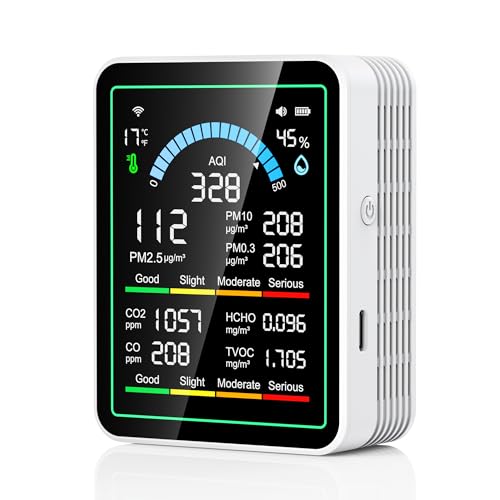
Air Quality Monitor Indoor, 10 in 1 Portable Smartair Quality Tester for CO2 | CO | TVOC | HCHO | Temp | AQI | PM0.3-1 Detection Suitable for Home, Cars, Plants, Pets and Hotels
【10-in-1 Smart Air Quality Monitor: Your All-Round Environmental Guardian】 This portable intelligent air quality tester delivers ultra-precise multi-gas…
As an affiliate, we earn on qualifying purchases.
As an affiliate, we earn on qualifying purchases.